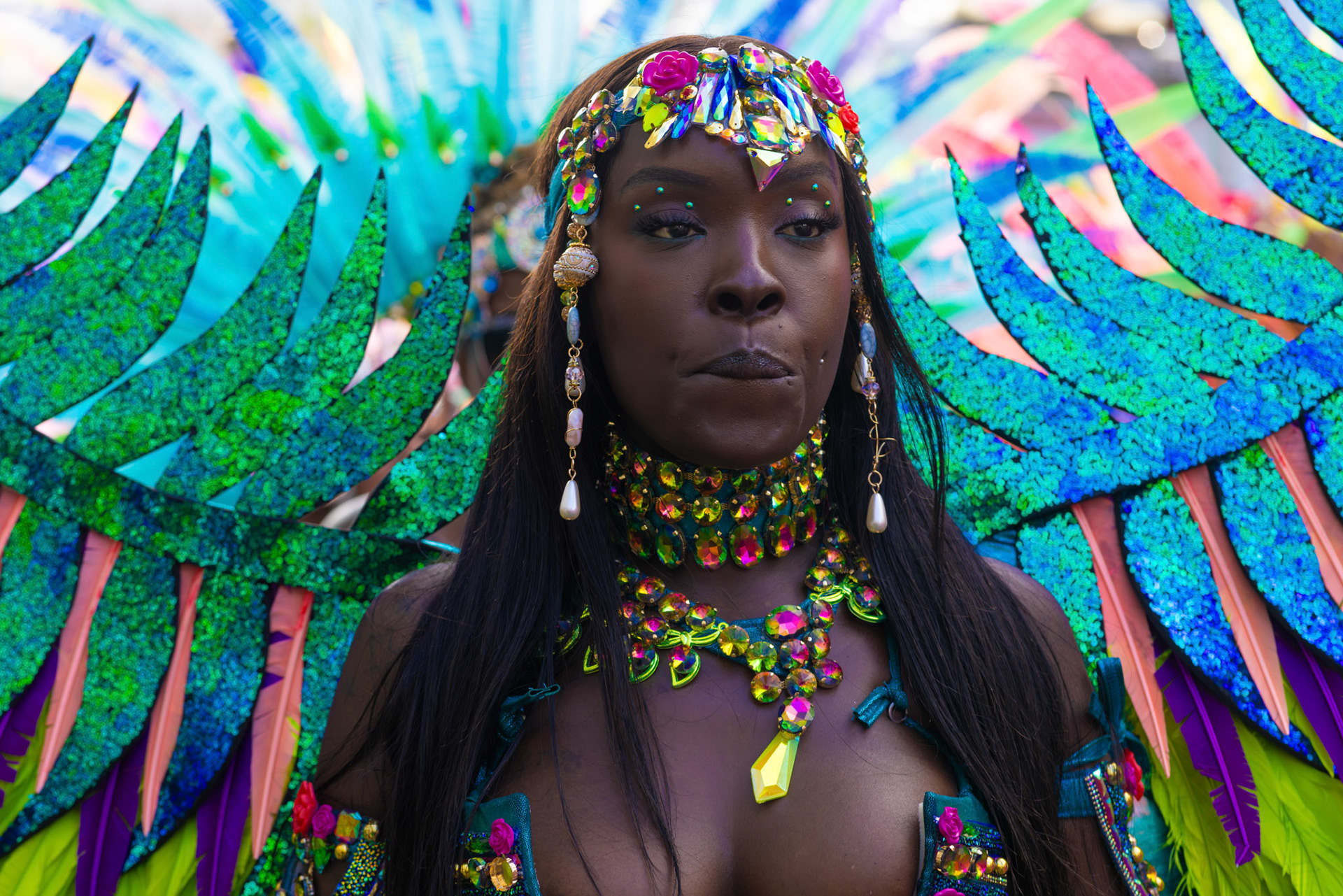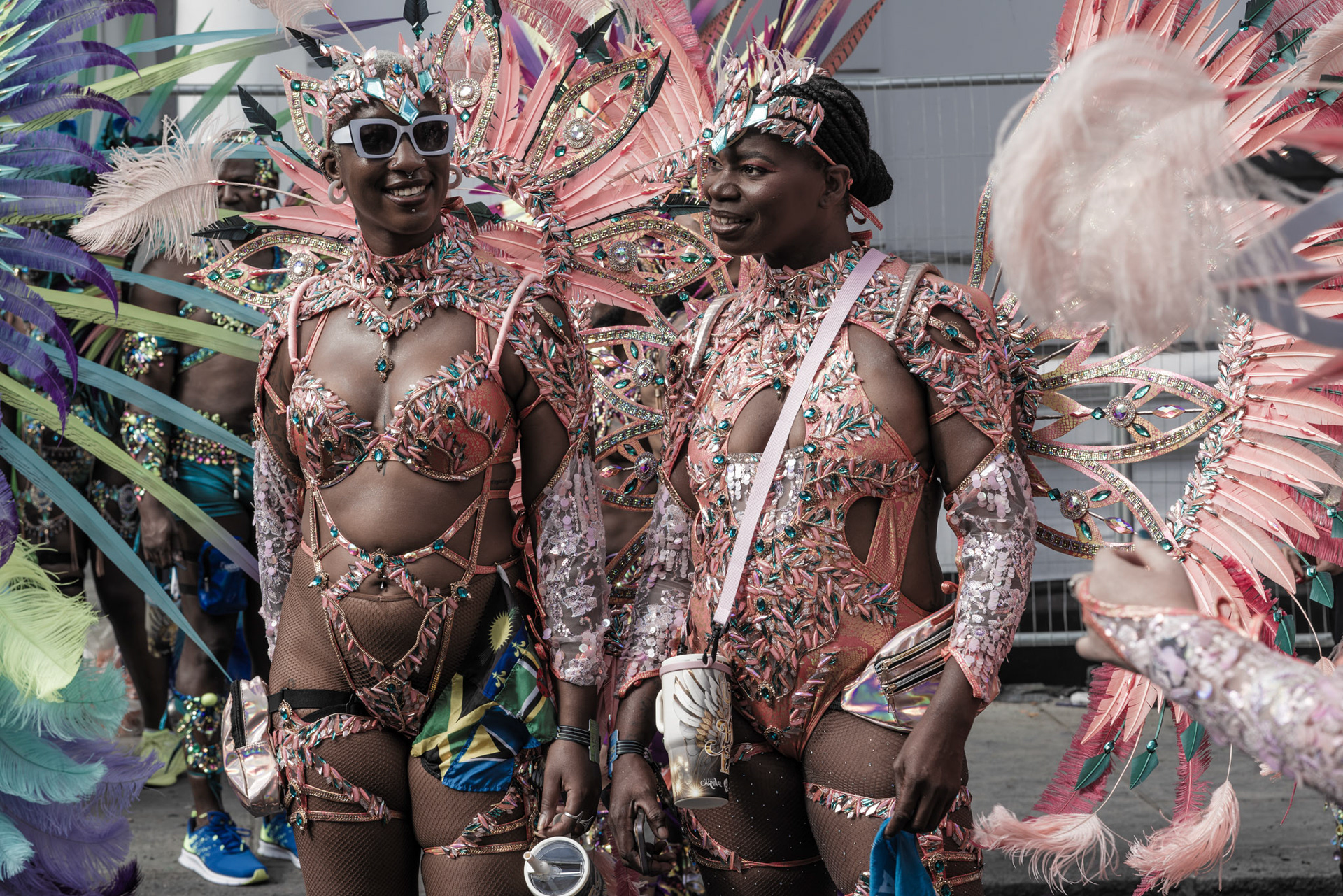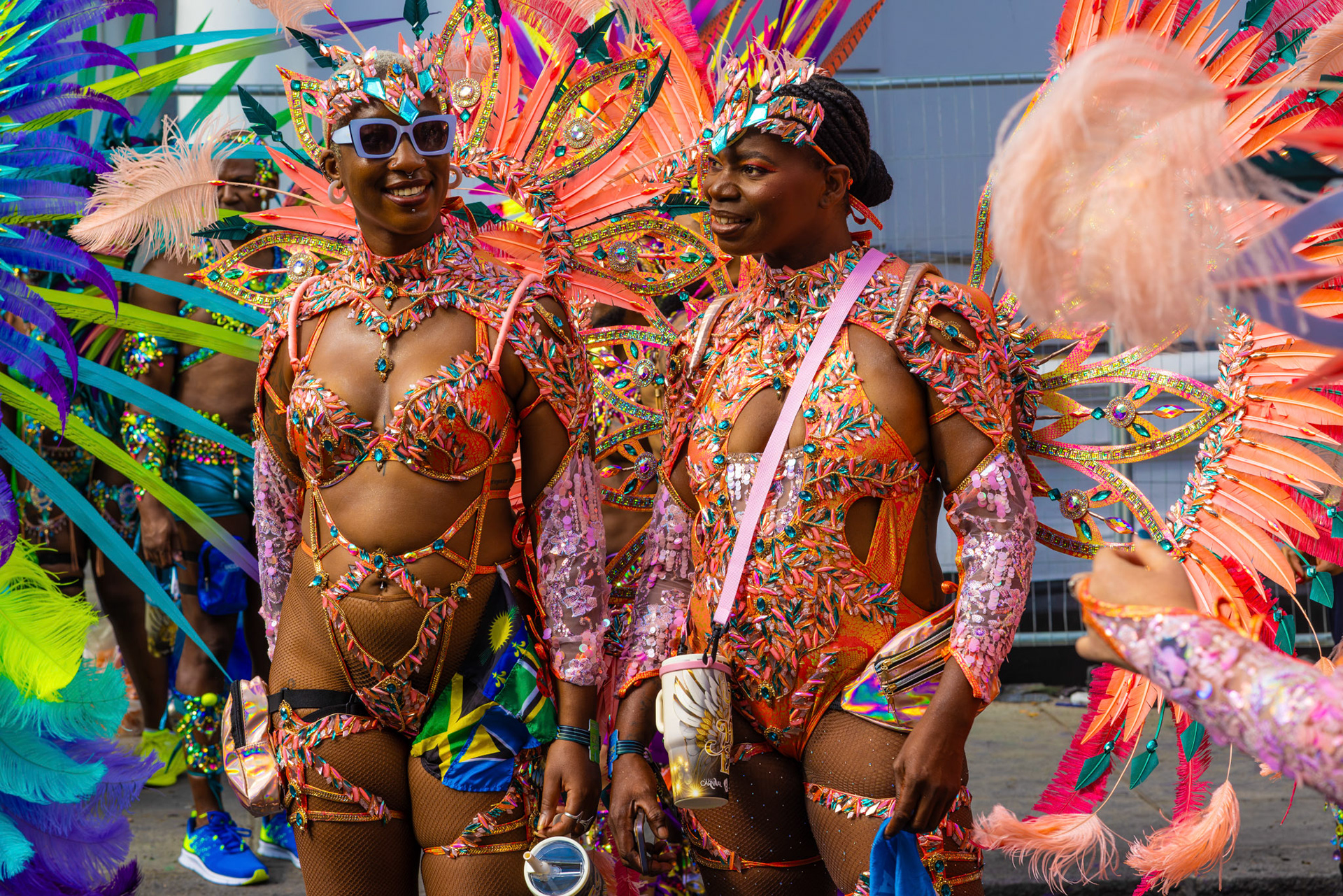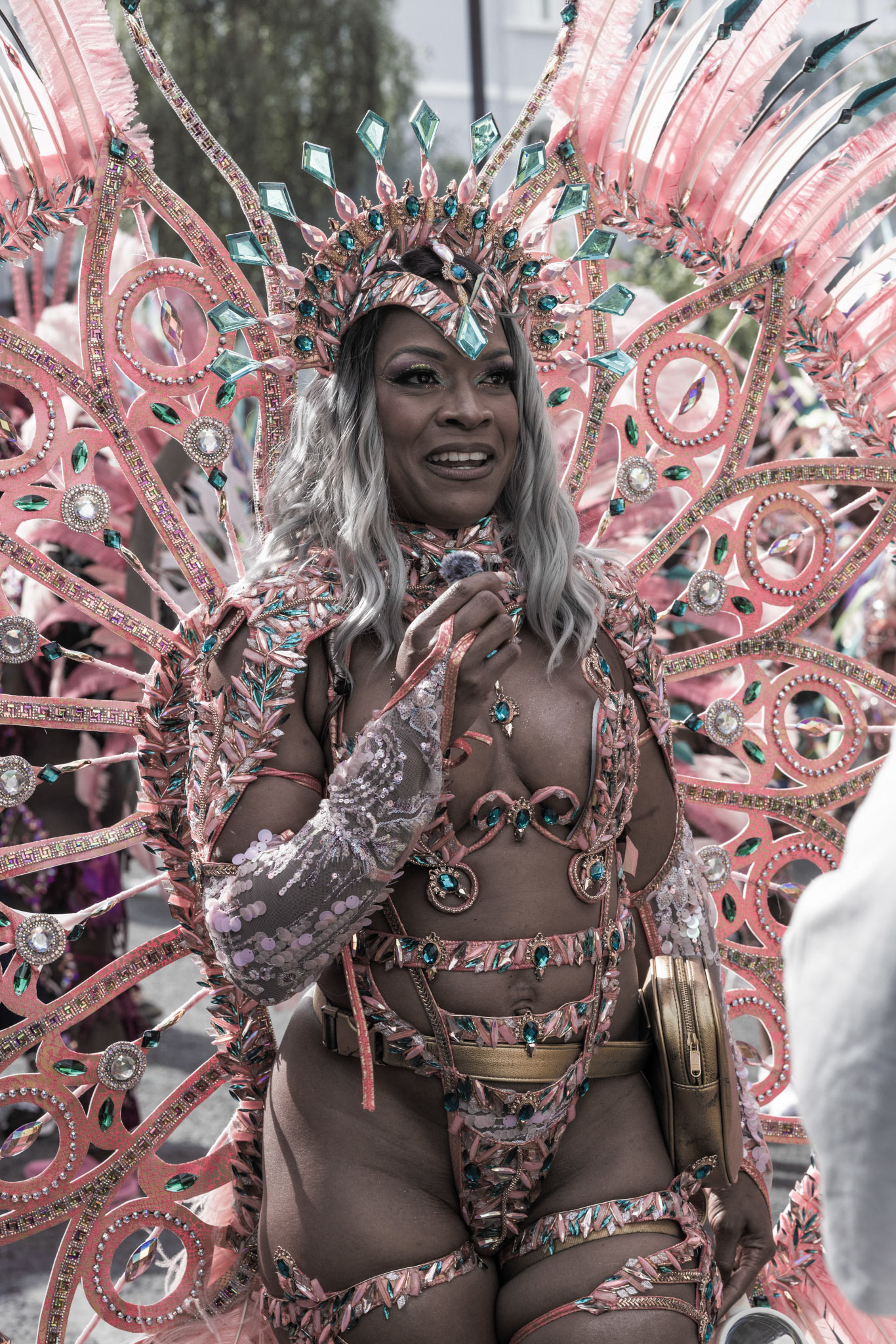
FROM RACISM AND RESISTANCE TO TWO MILLION PEOPLE: THE STORY OF NOTTING HILL CARNIVAL
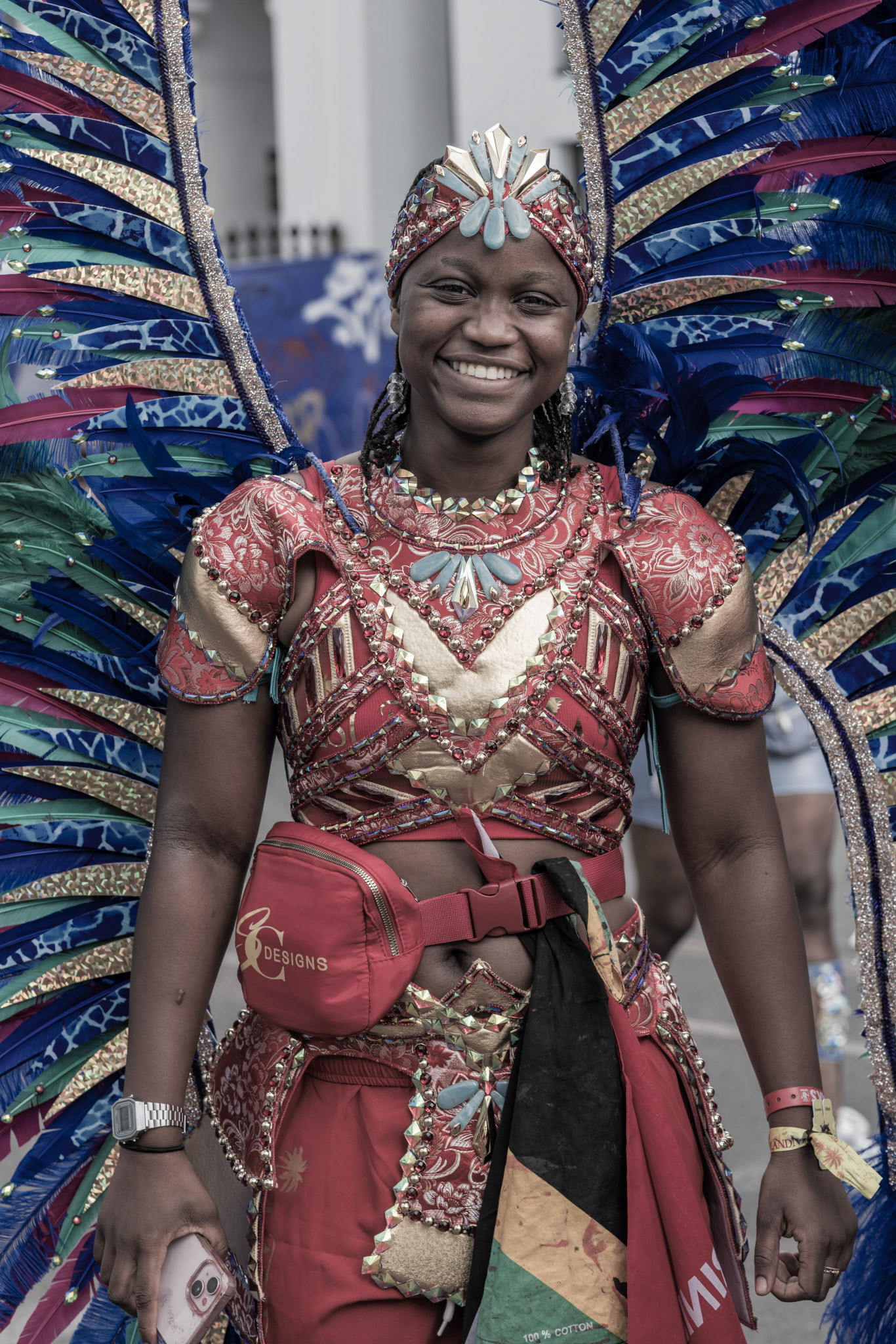
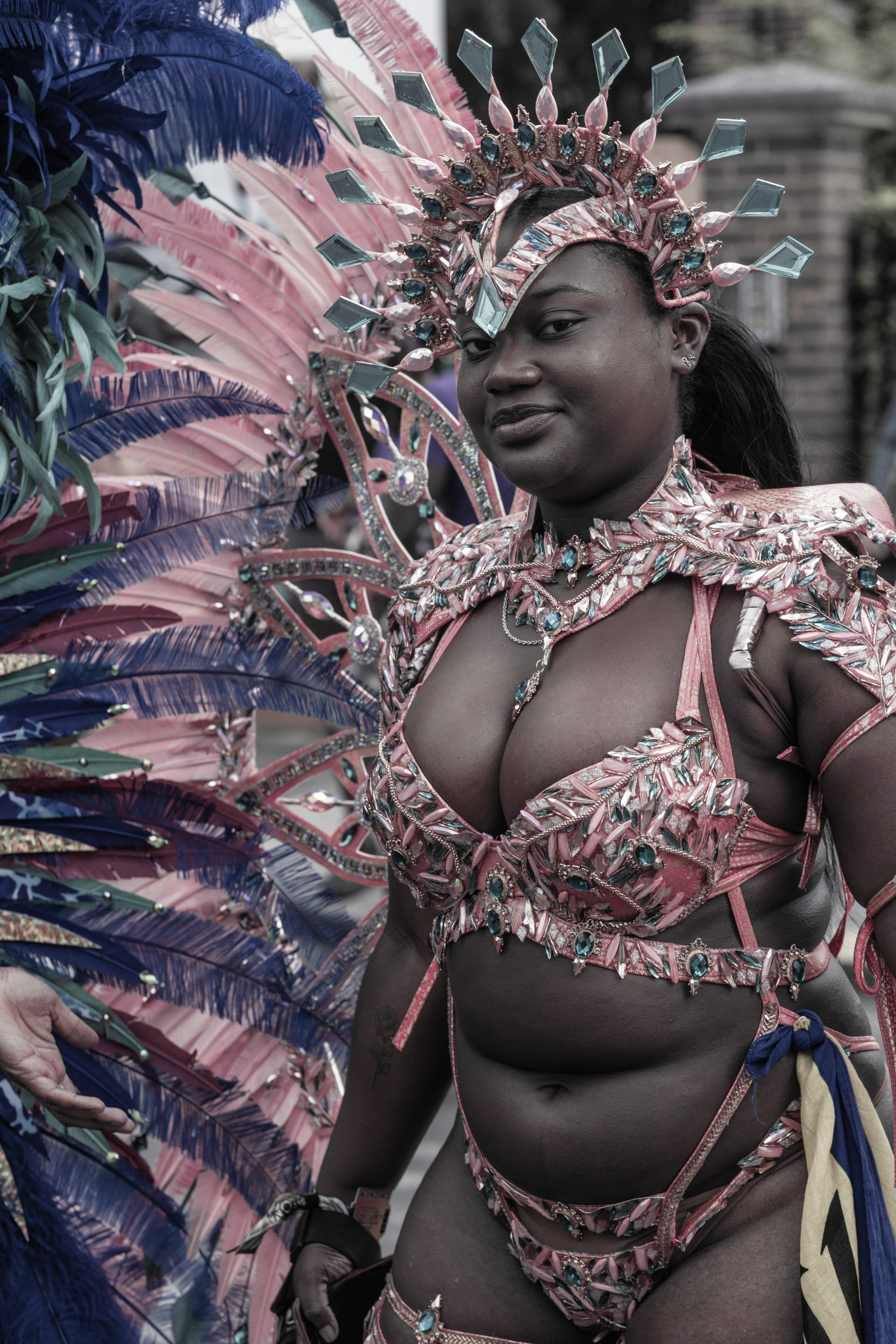
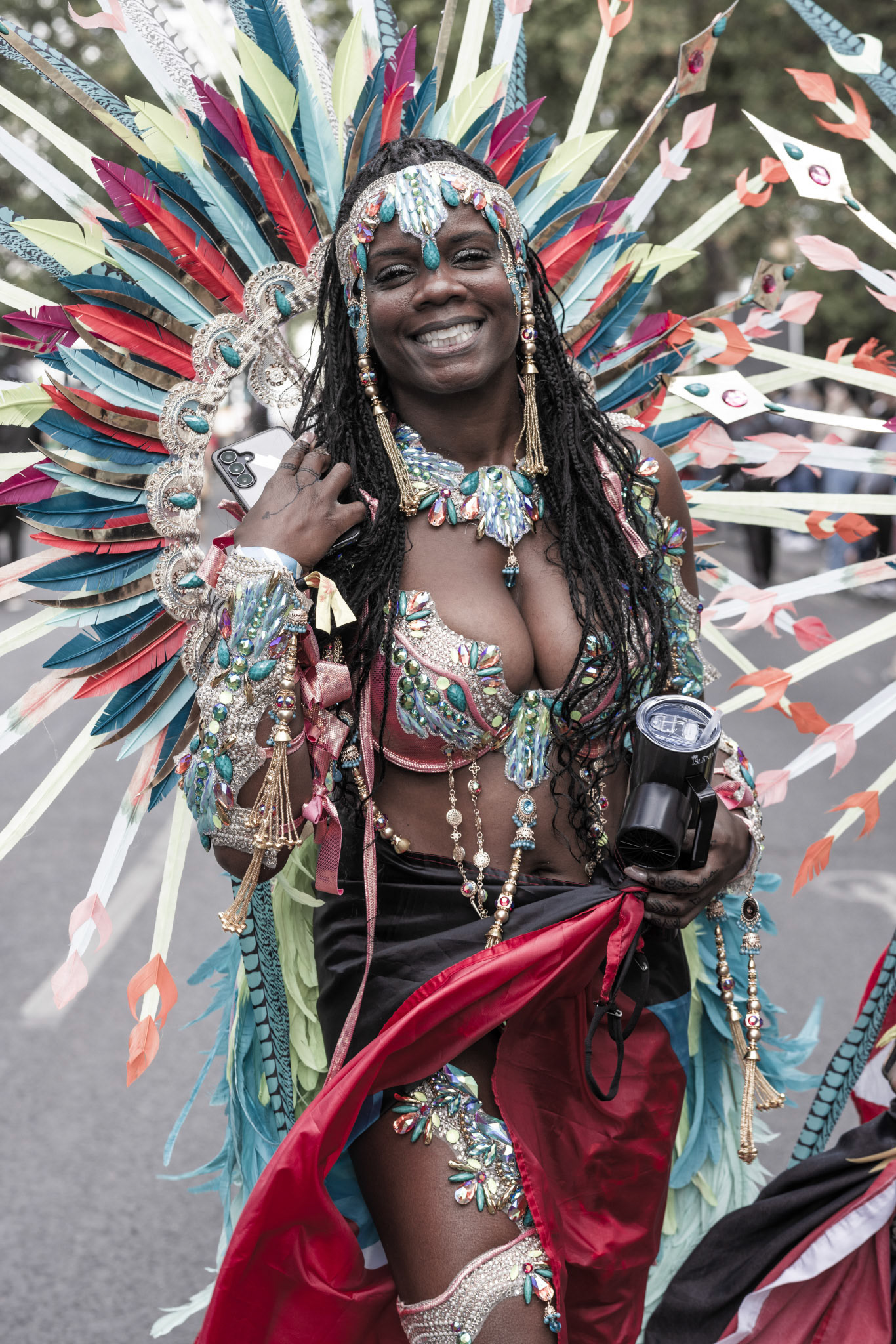
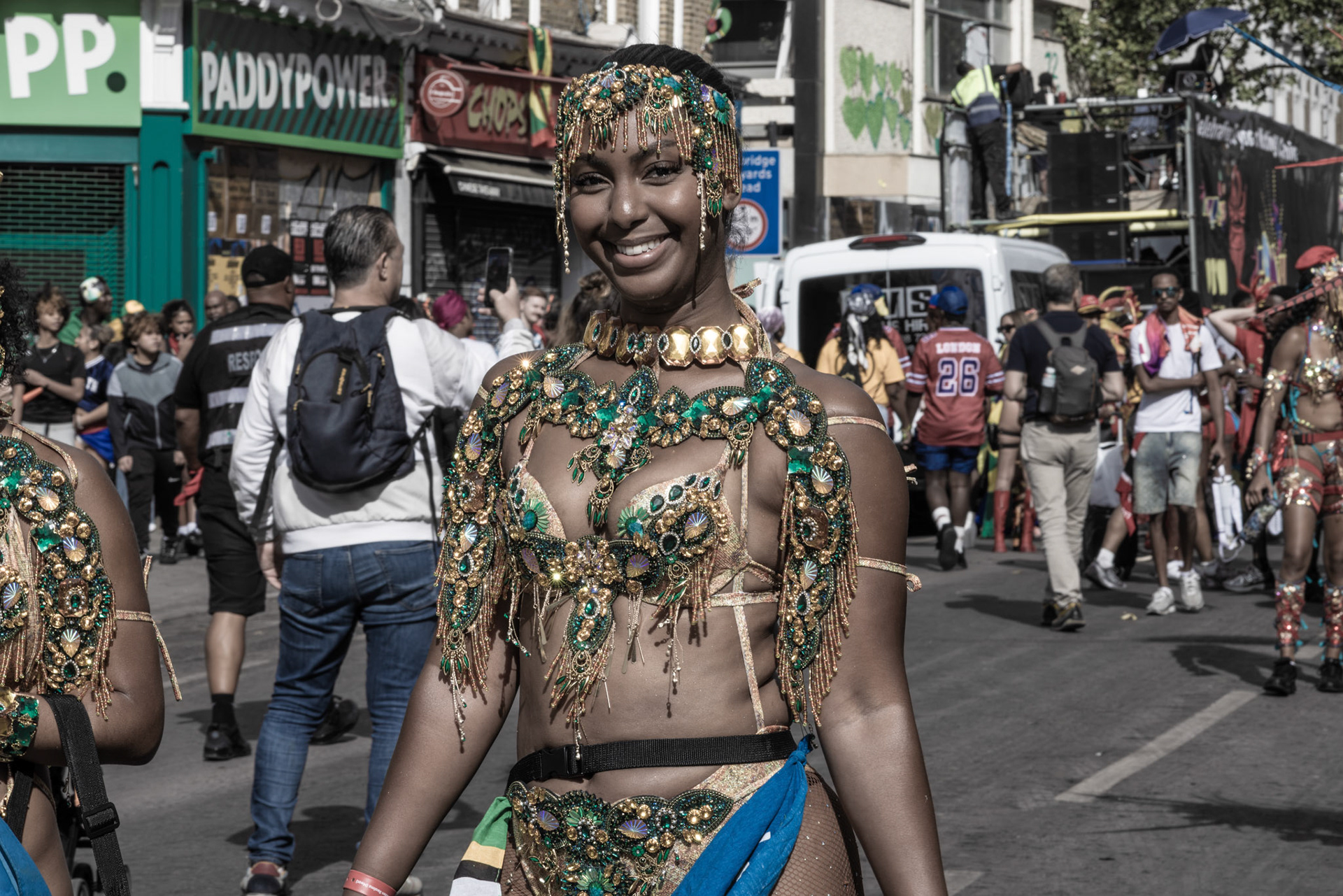
Notting Hill Carnival began against the backdrop of racial tensions and violence in Notting Hill in the late 1950s.
In 1959, Trinidadian activist Claudia Jones organised a Caribbean Carnival at St Pancras Town Hall, celebrating Caribbean culture and responding to those tensions.
The first outdoor Notting Hill Carnival took place in 1966, organised by community activist Rhaune Laslett. A steel band led by Trinidadian musician Russell Henderson helped transform a local multicultural street festival into what became the Carnival.
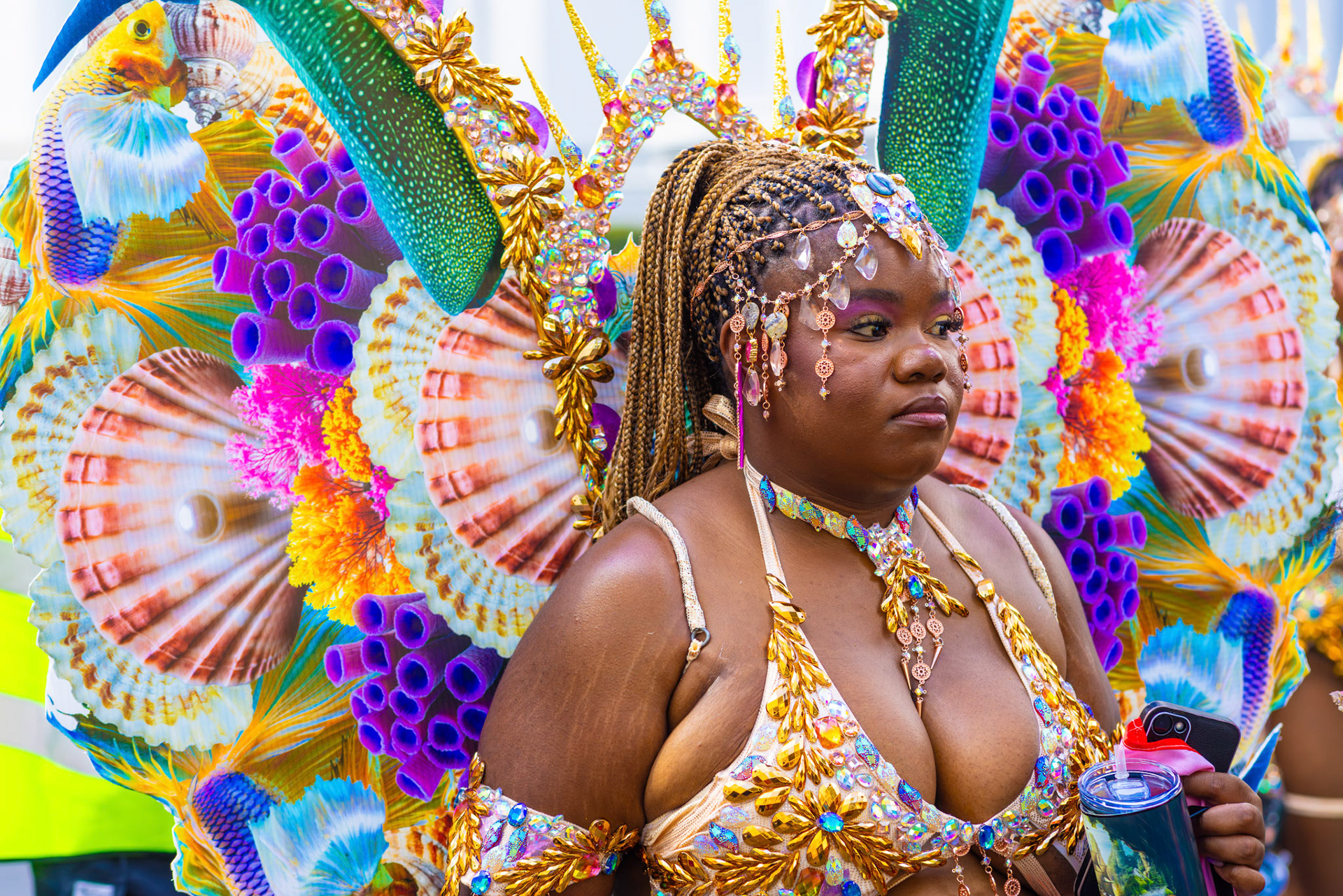
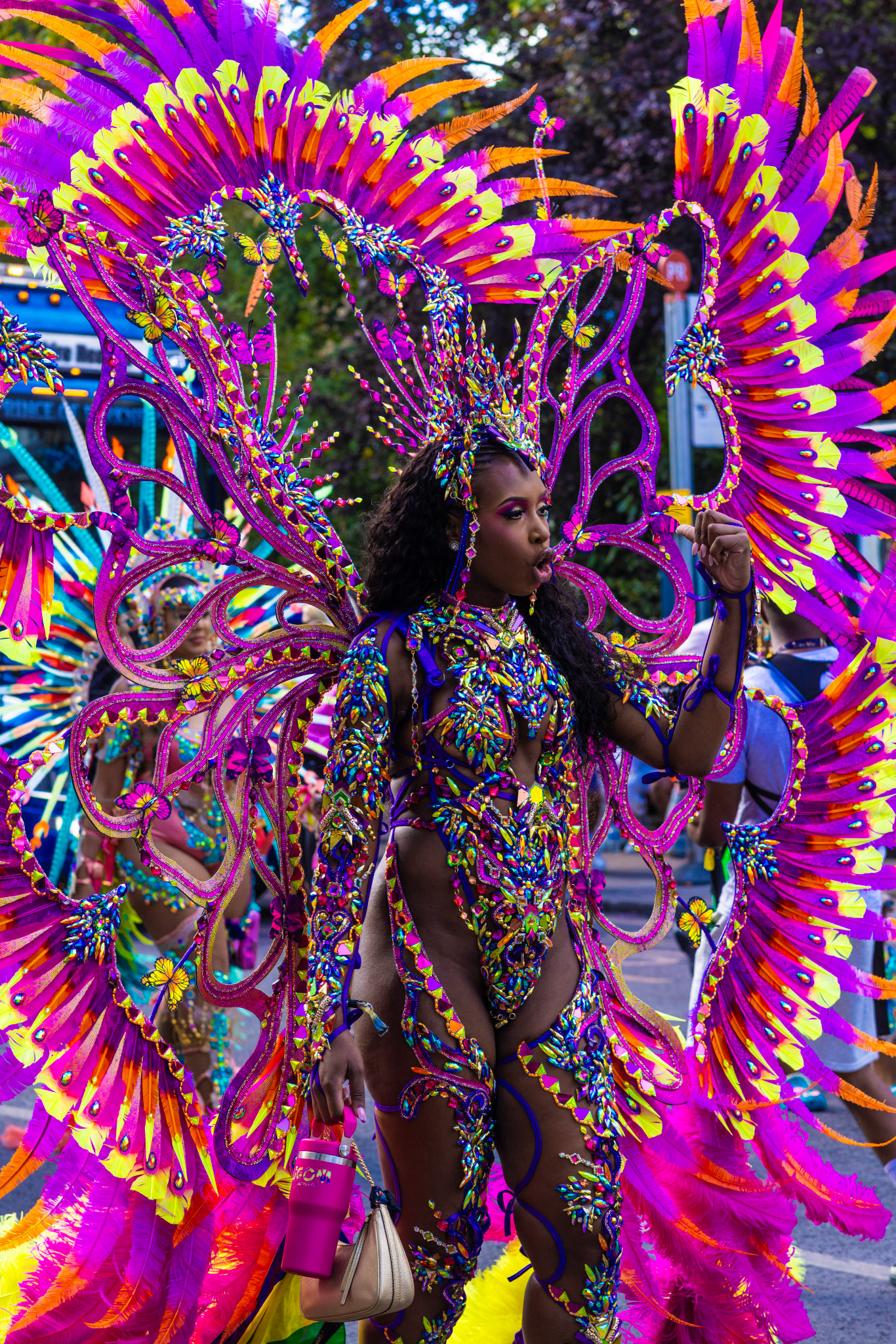
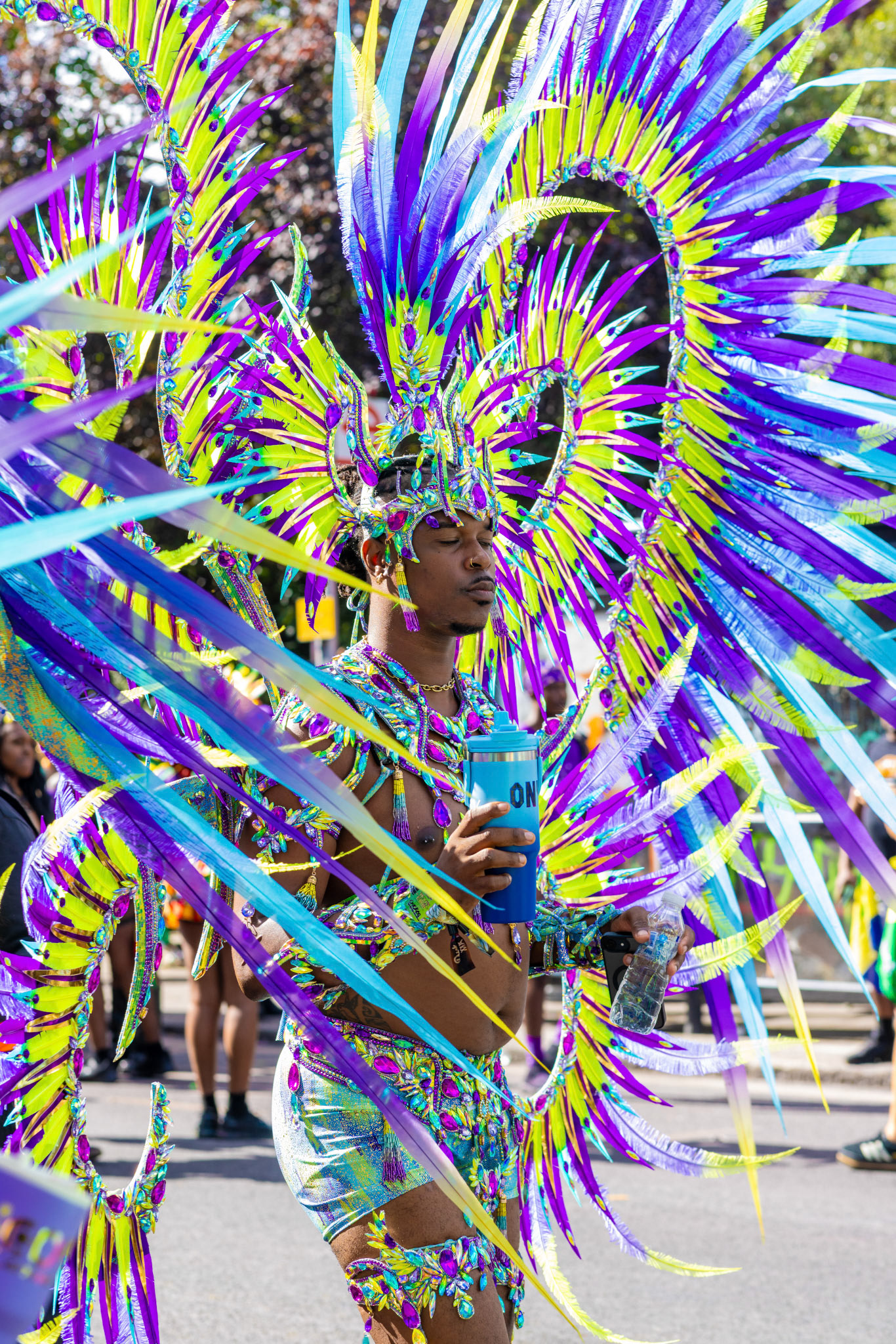
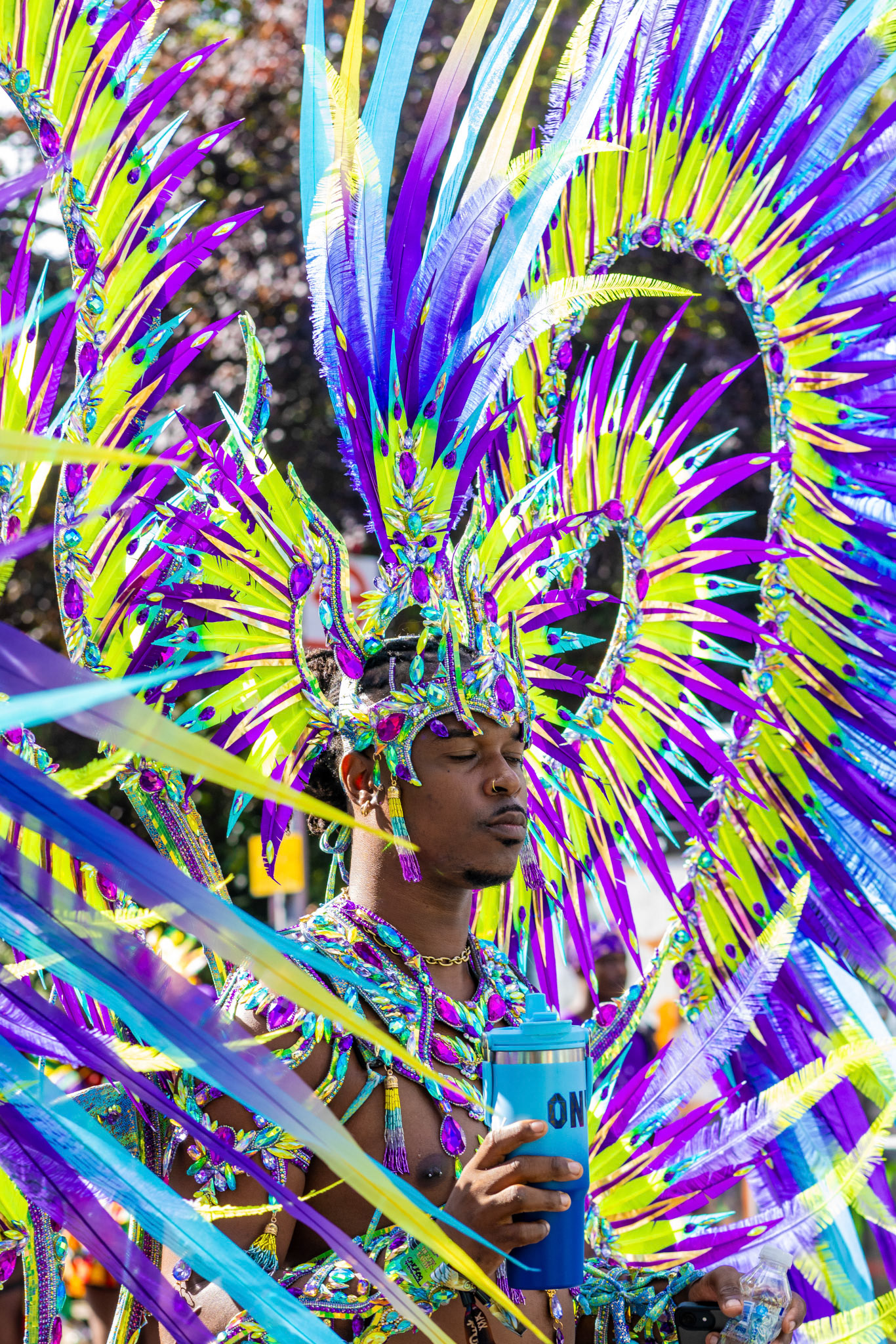
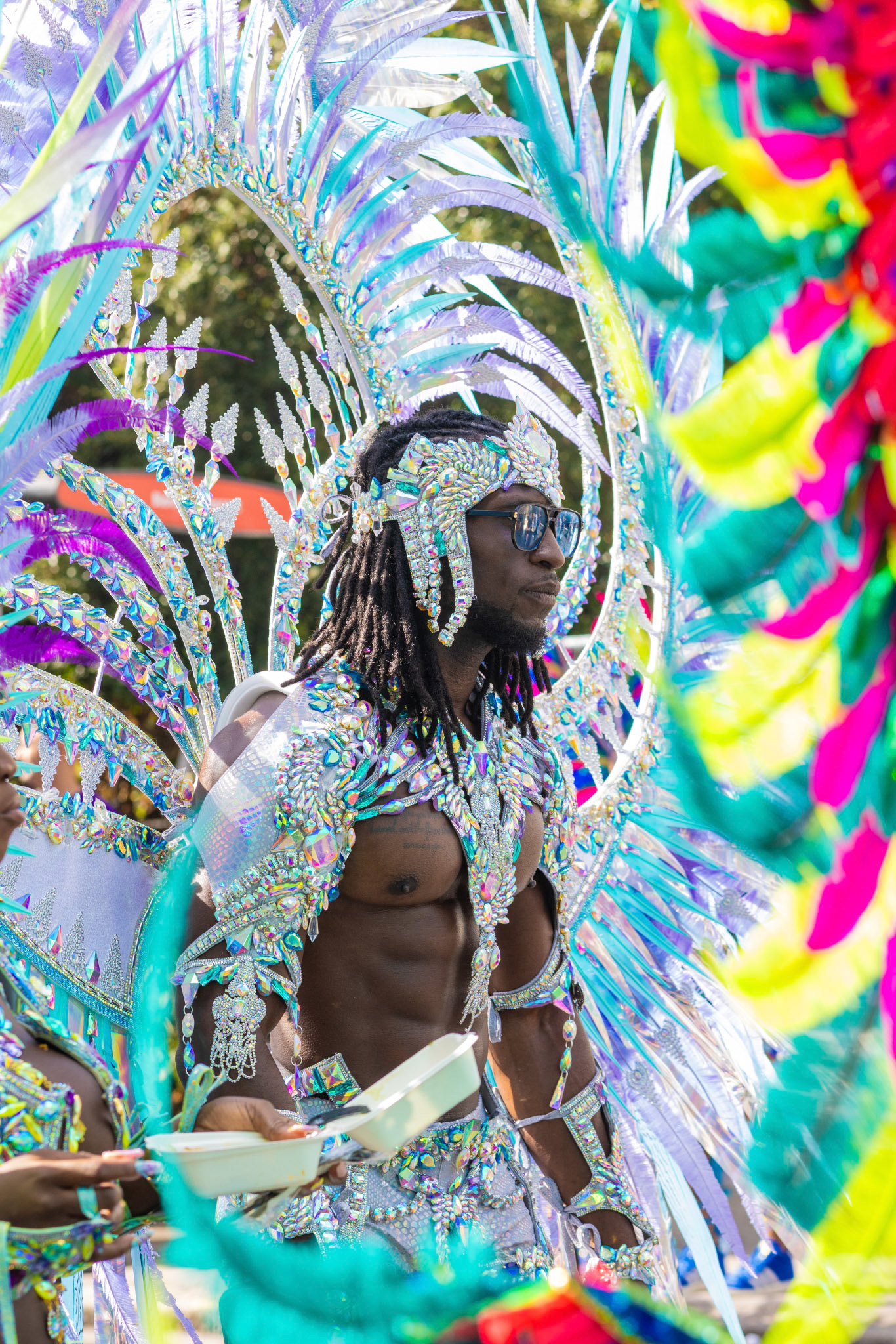
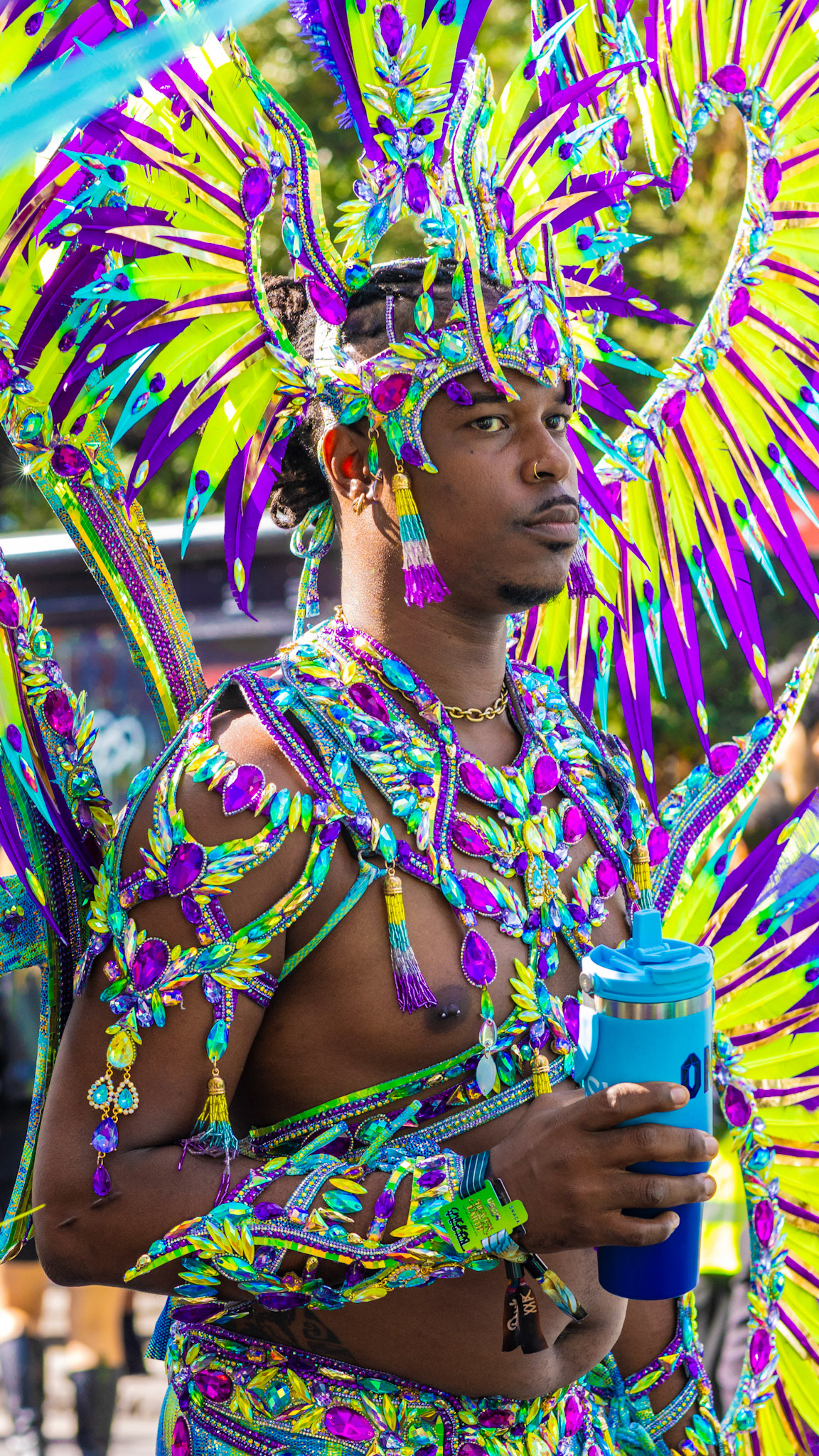
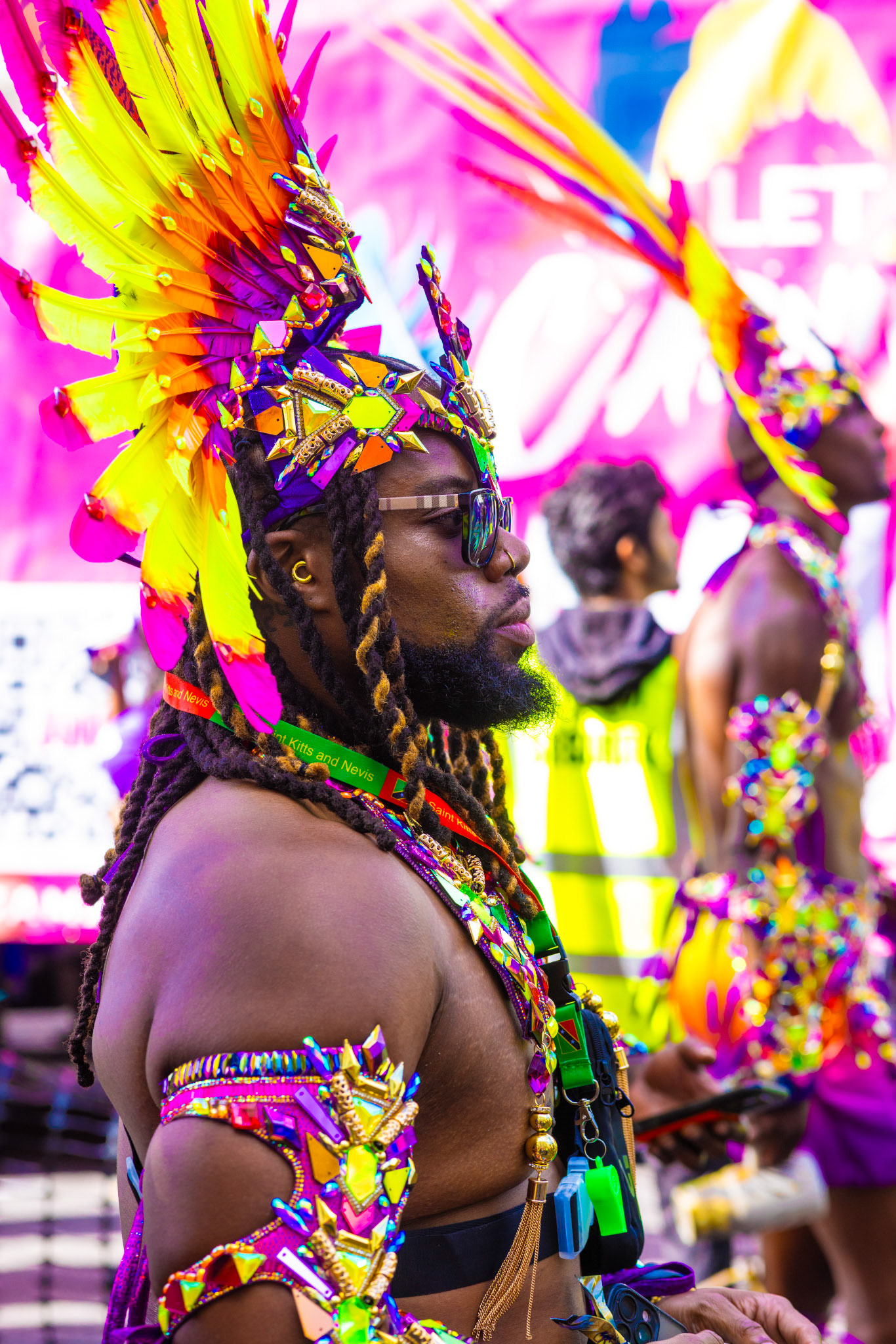
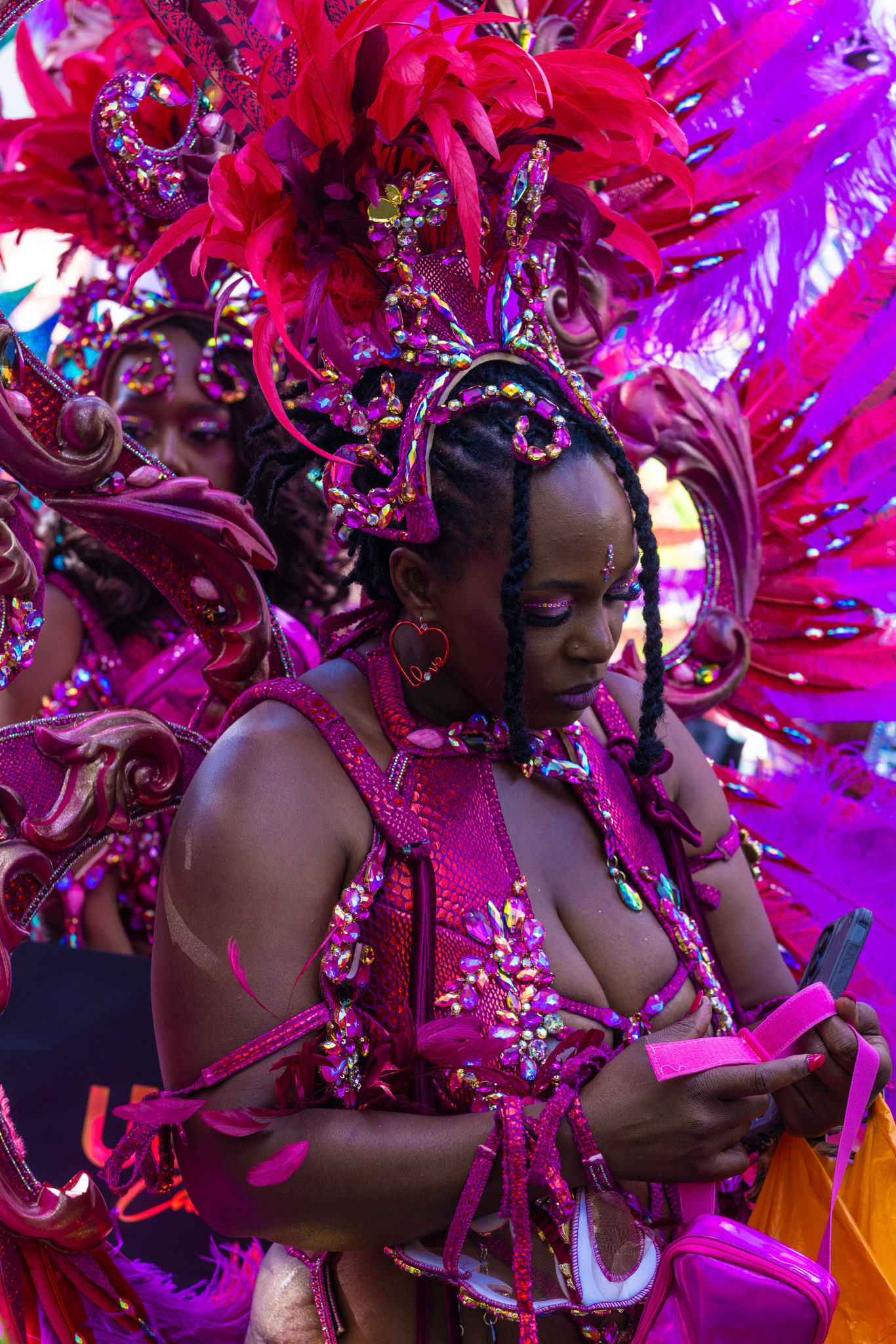
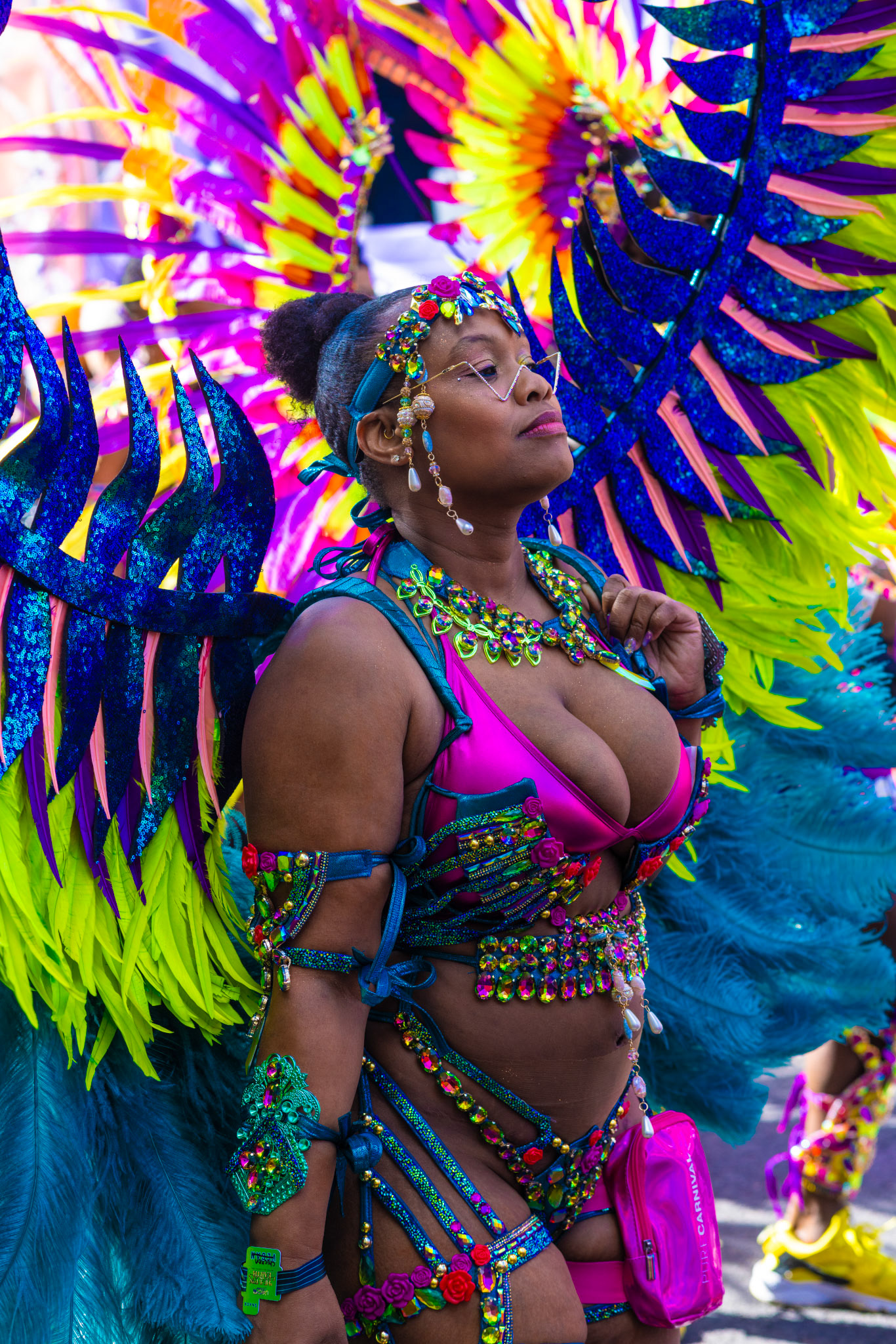
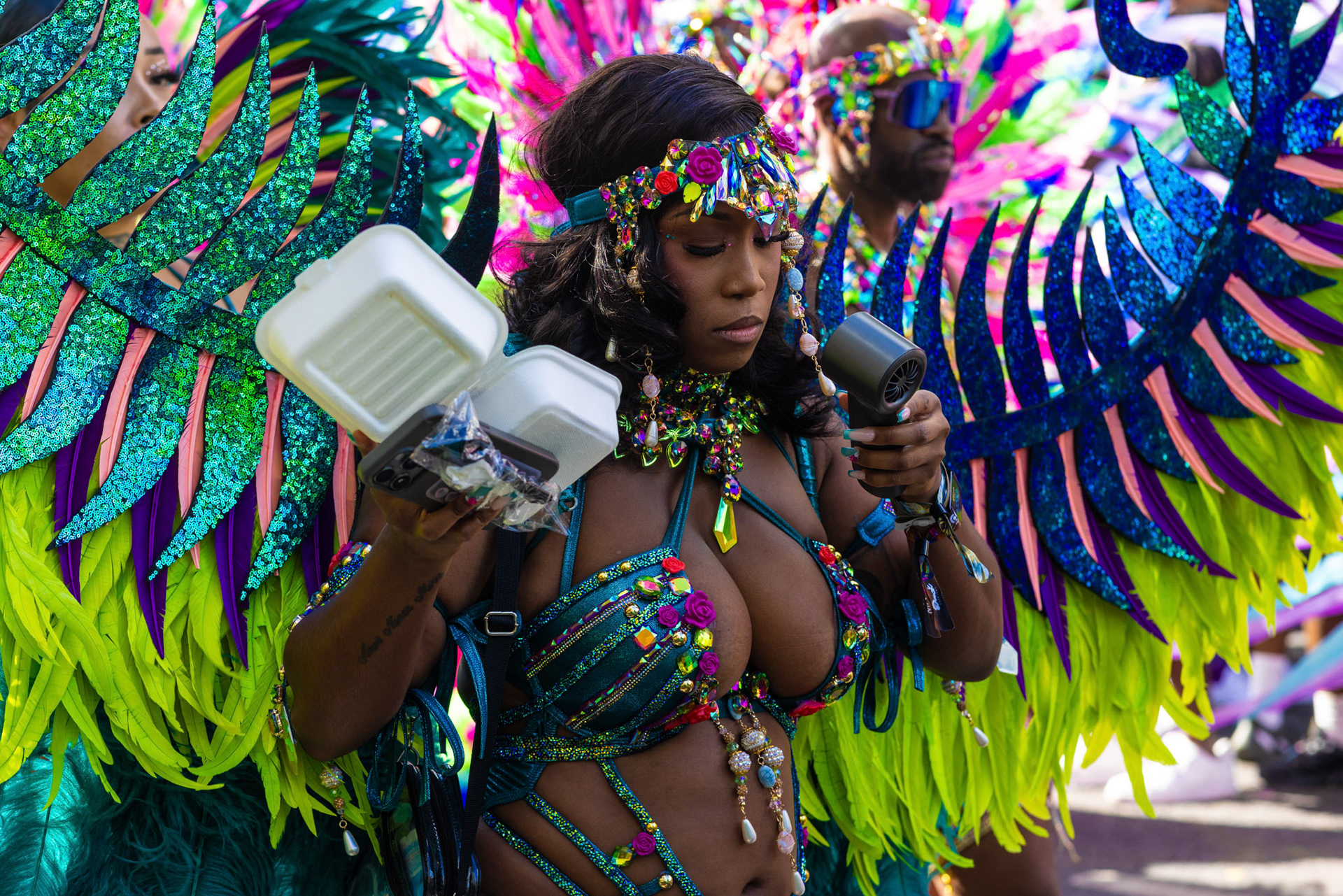
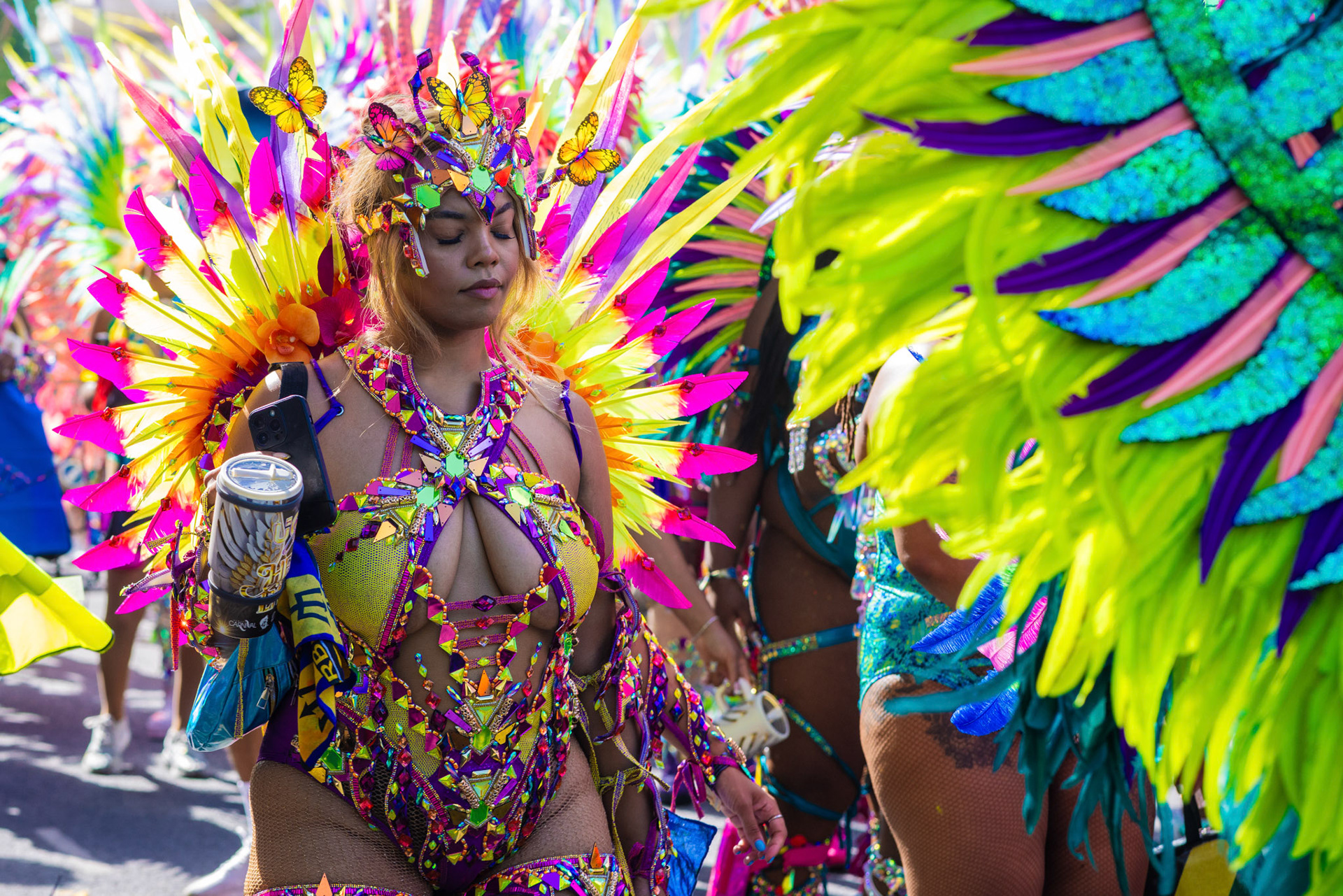
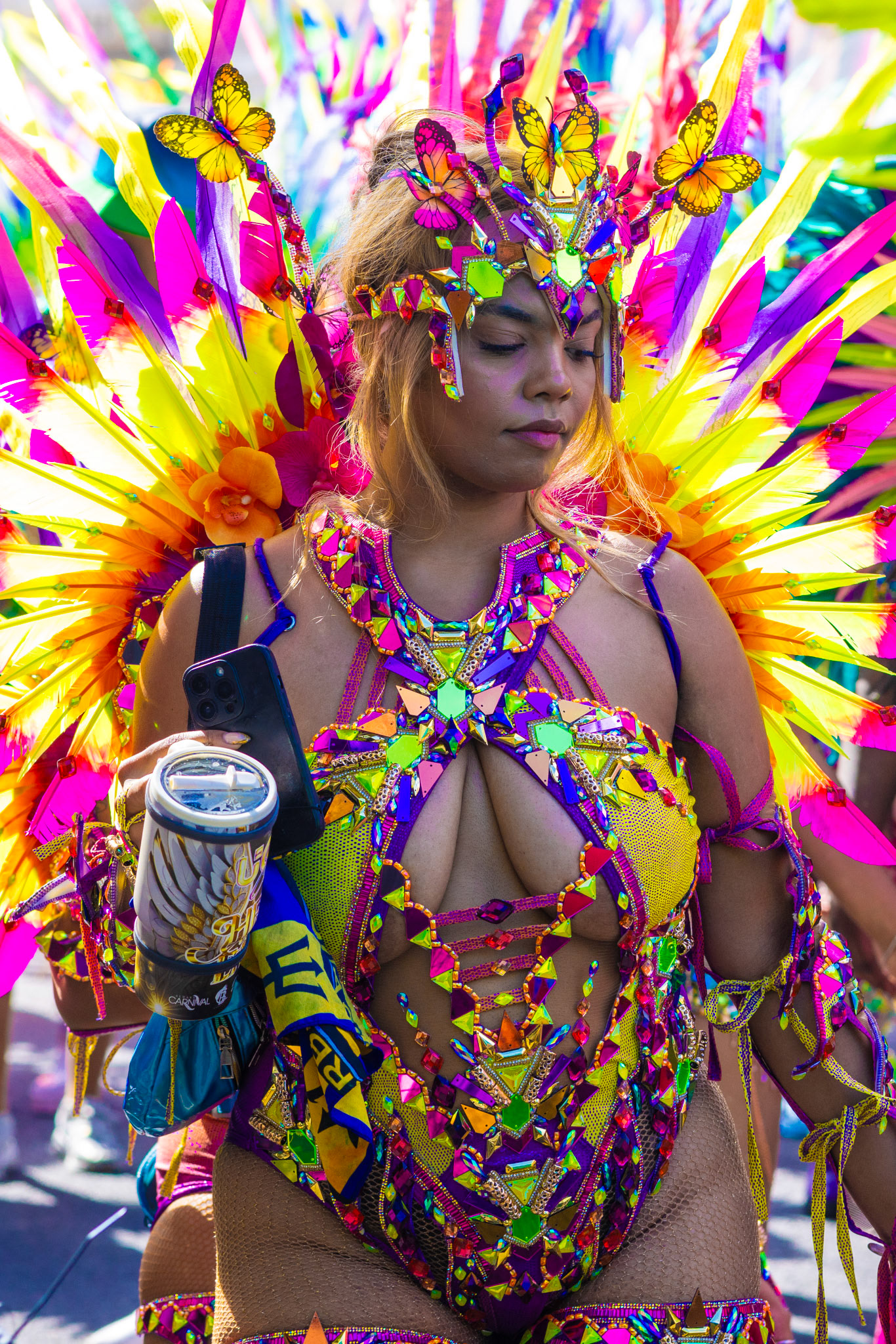
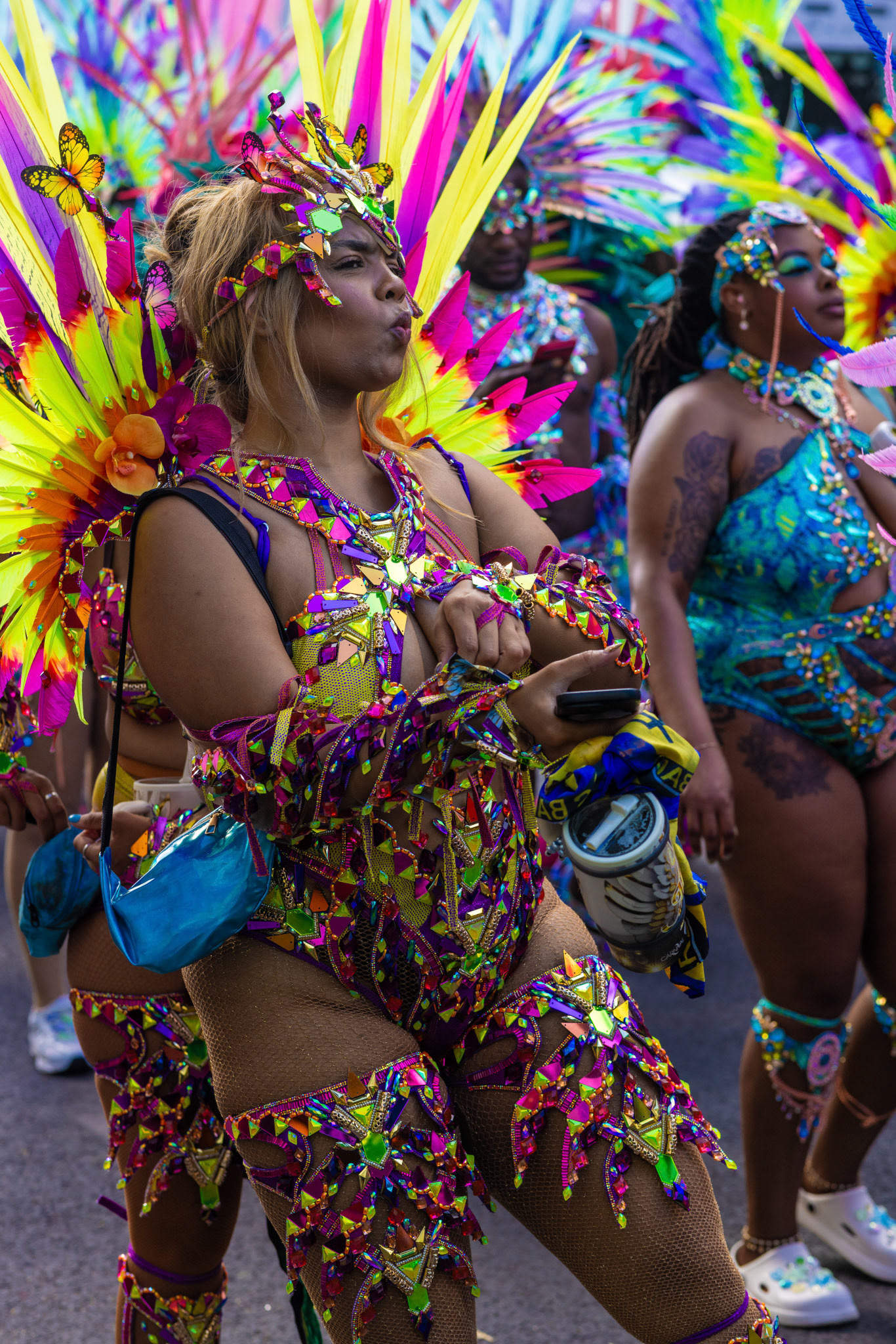
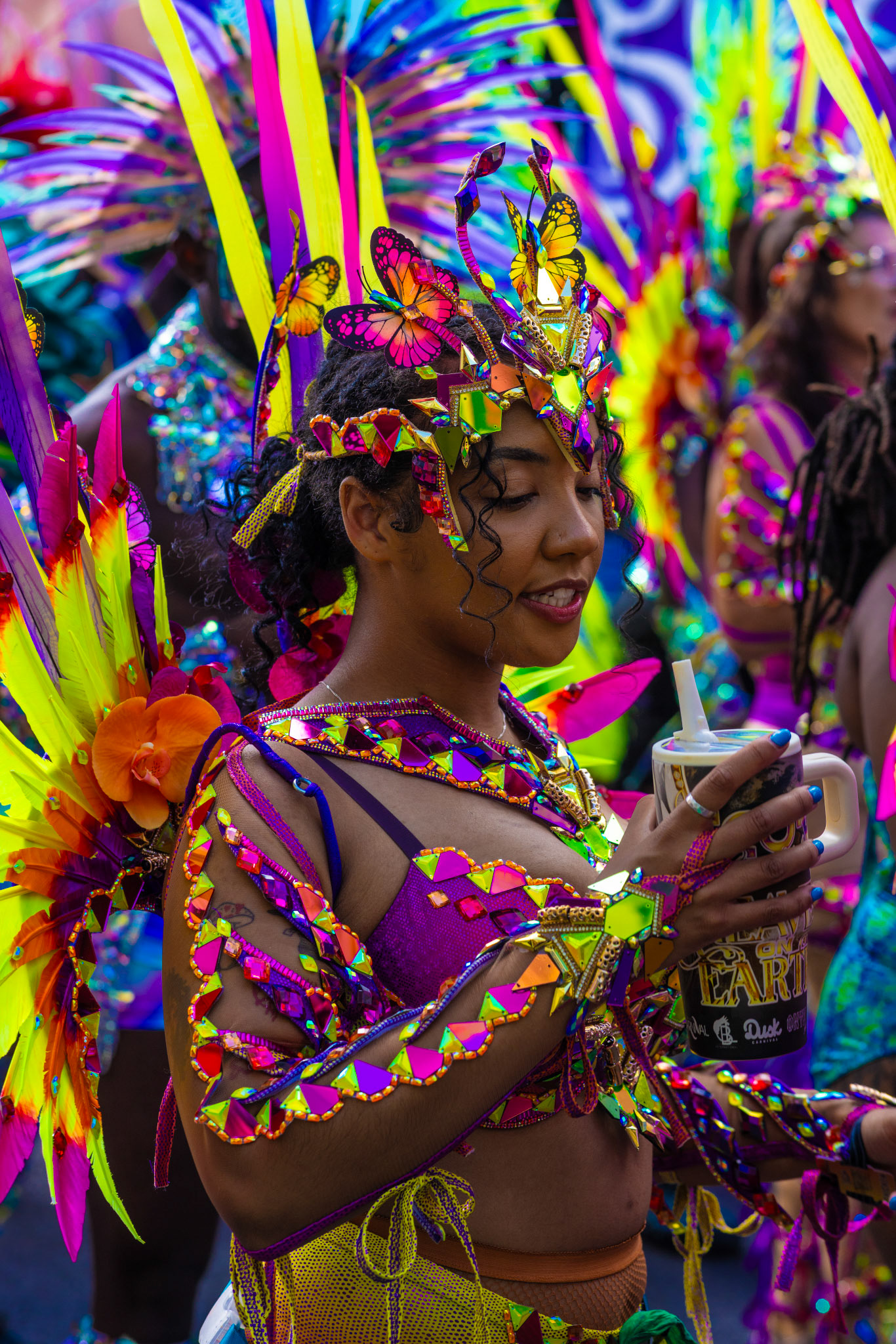
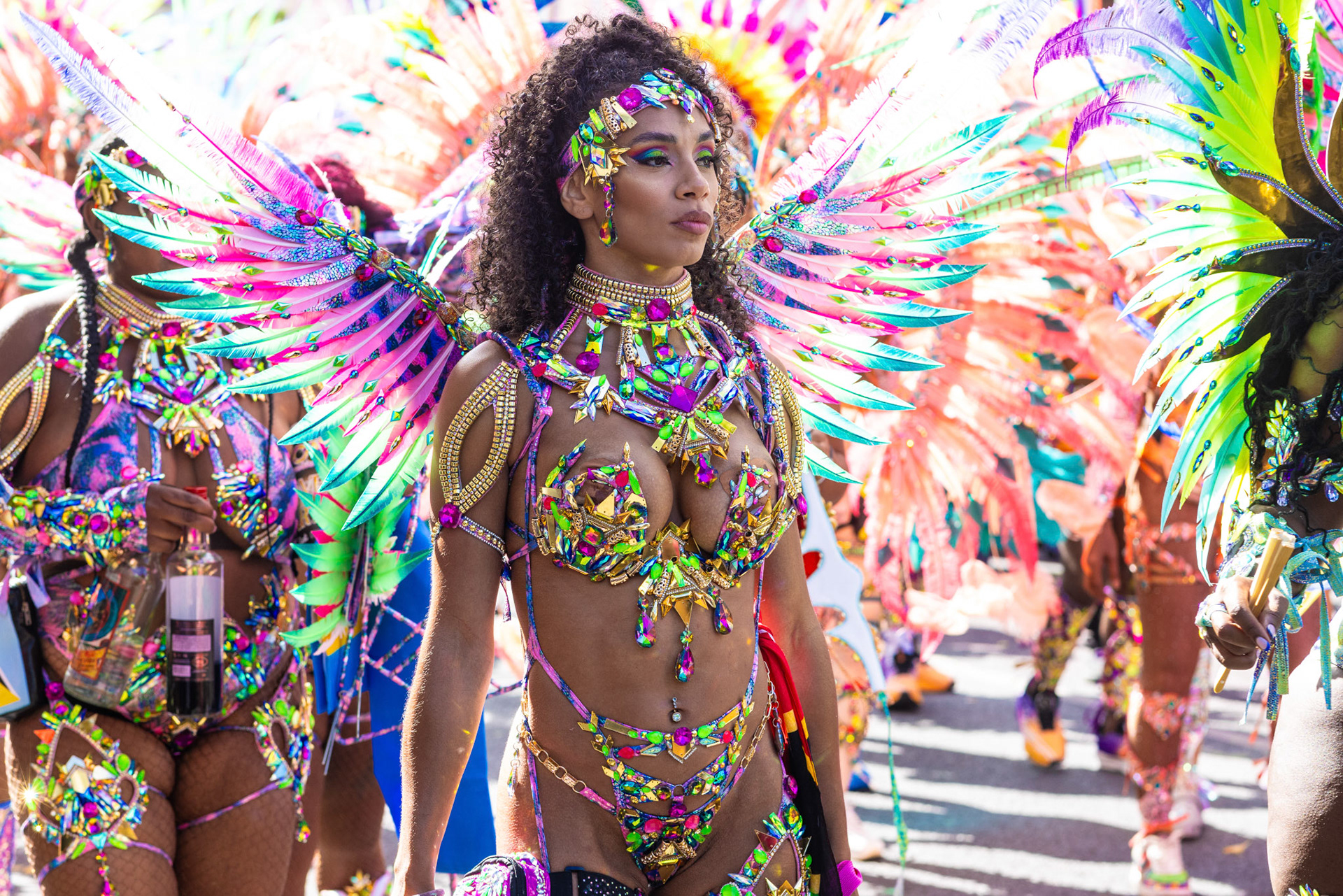
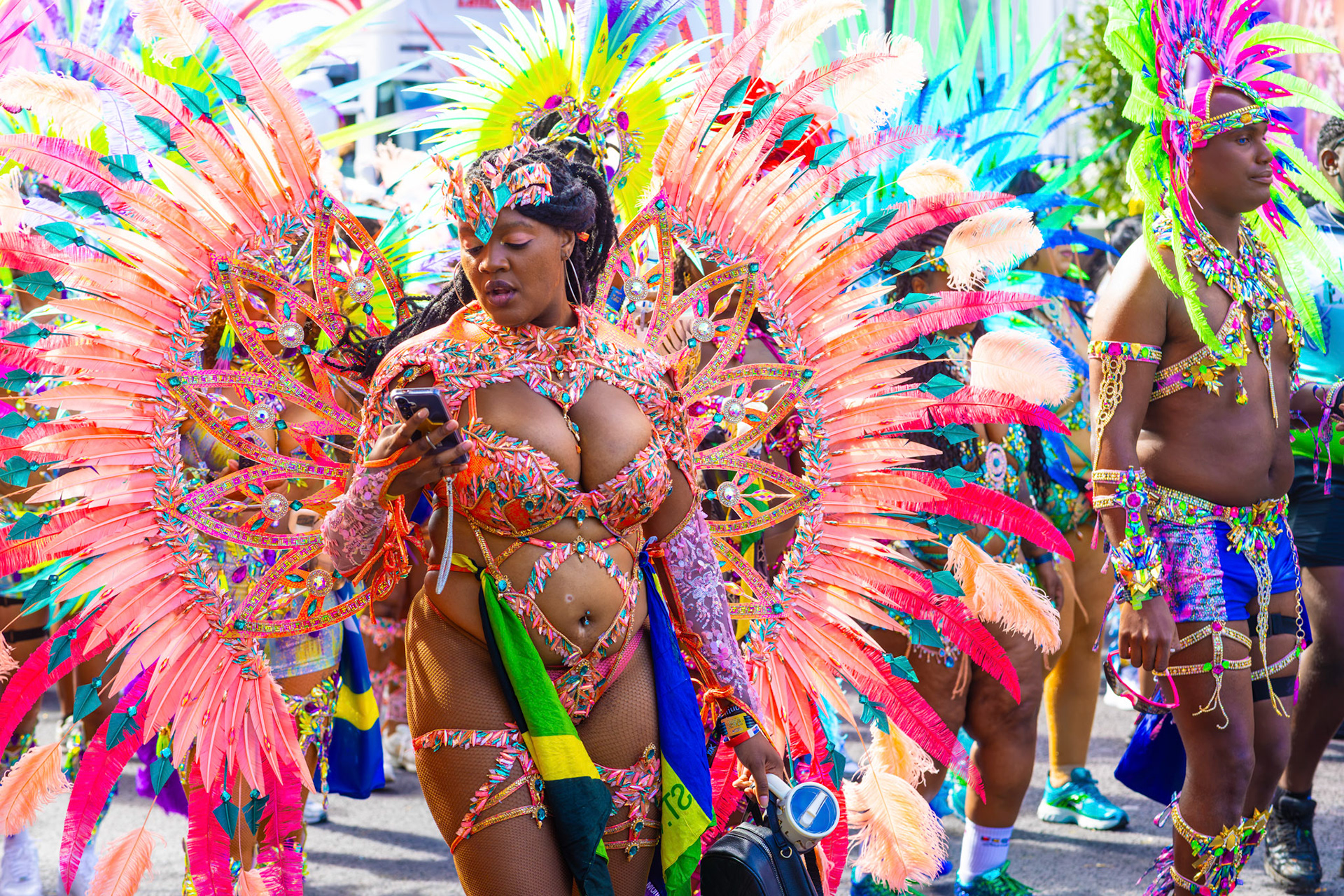
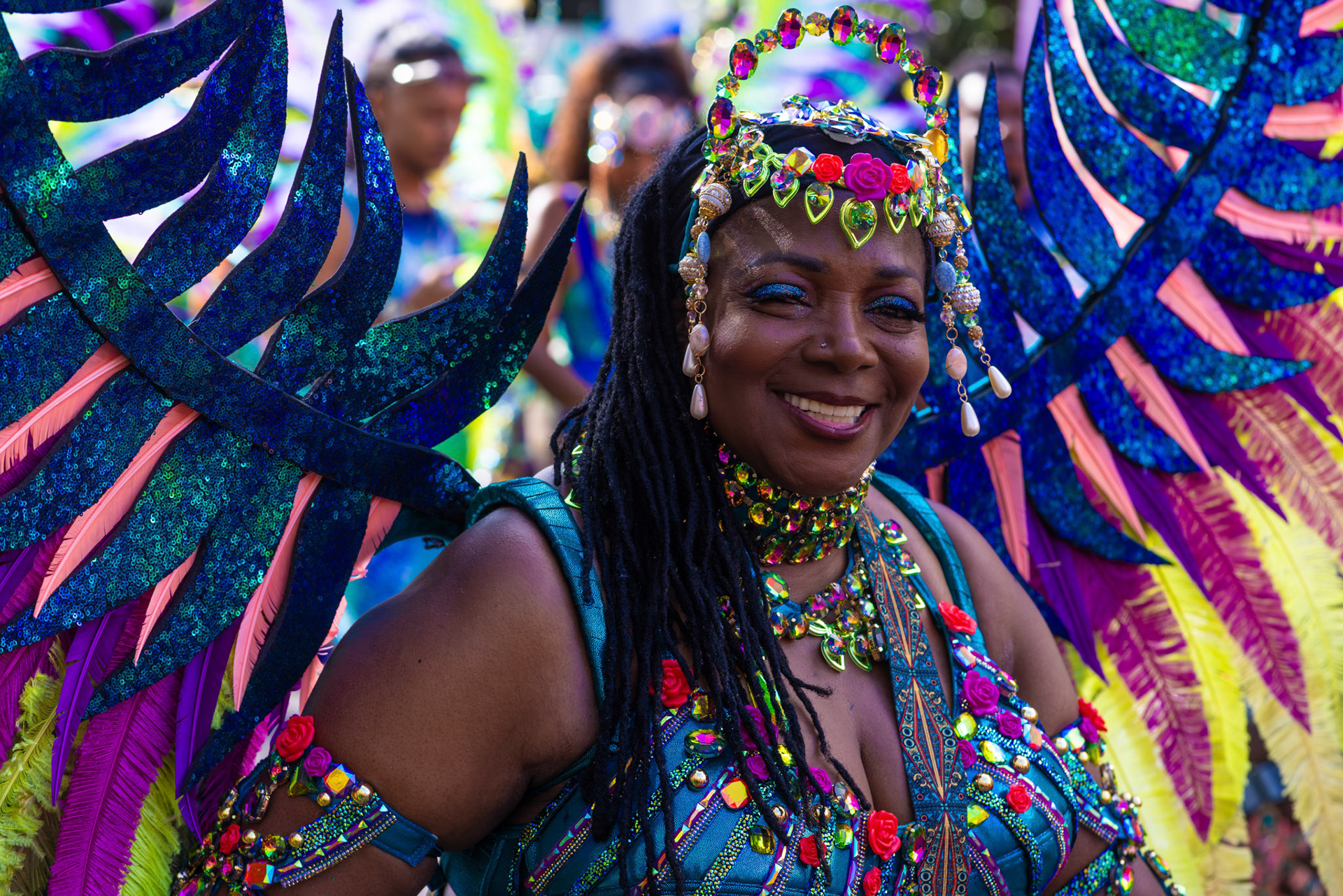
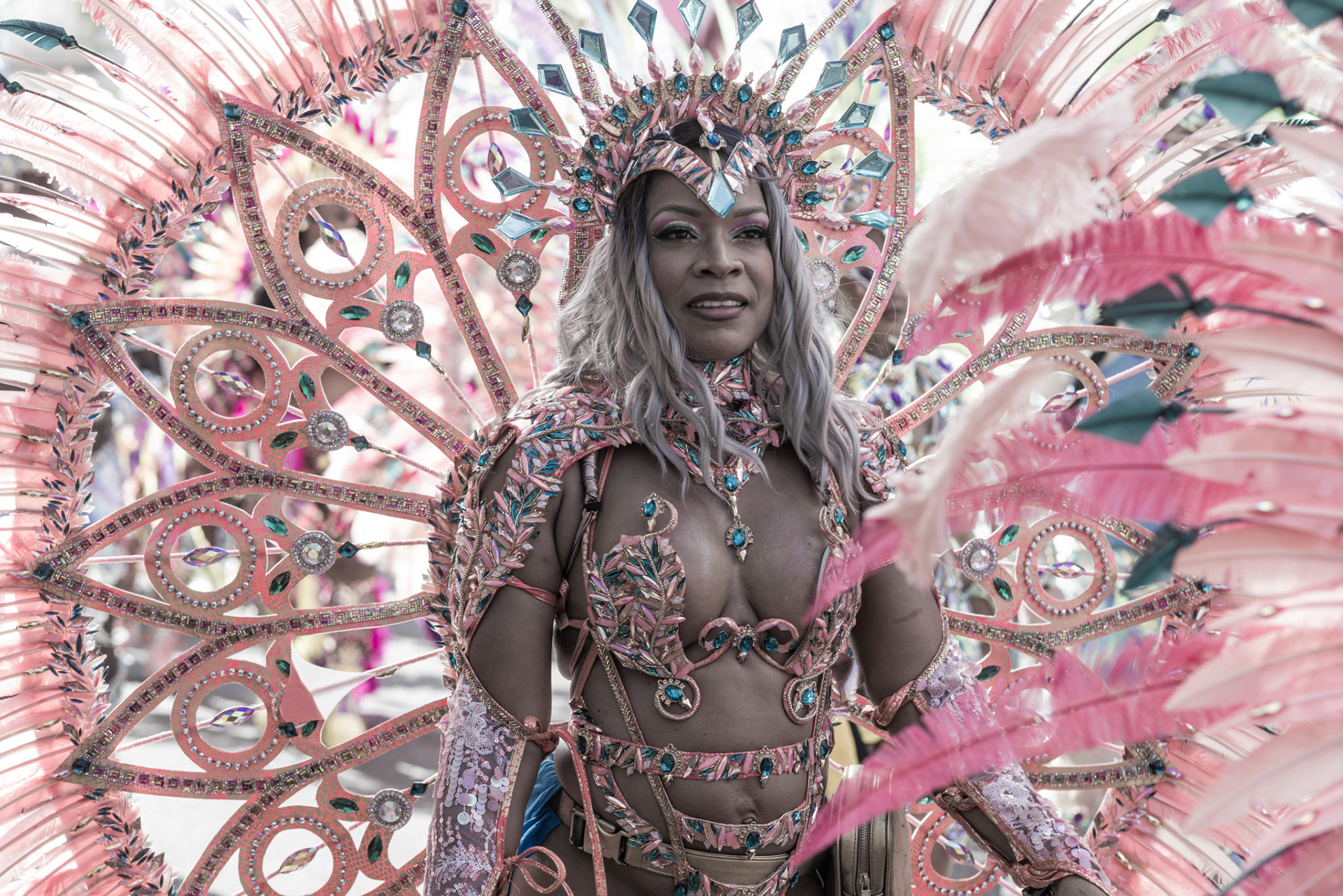
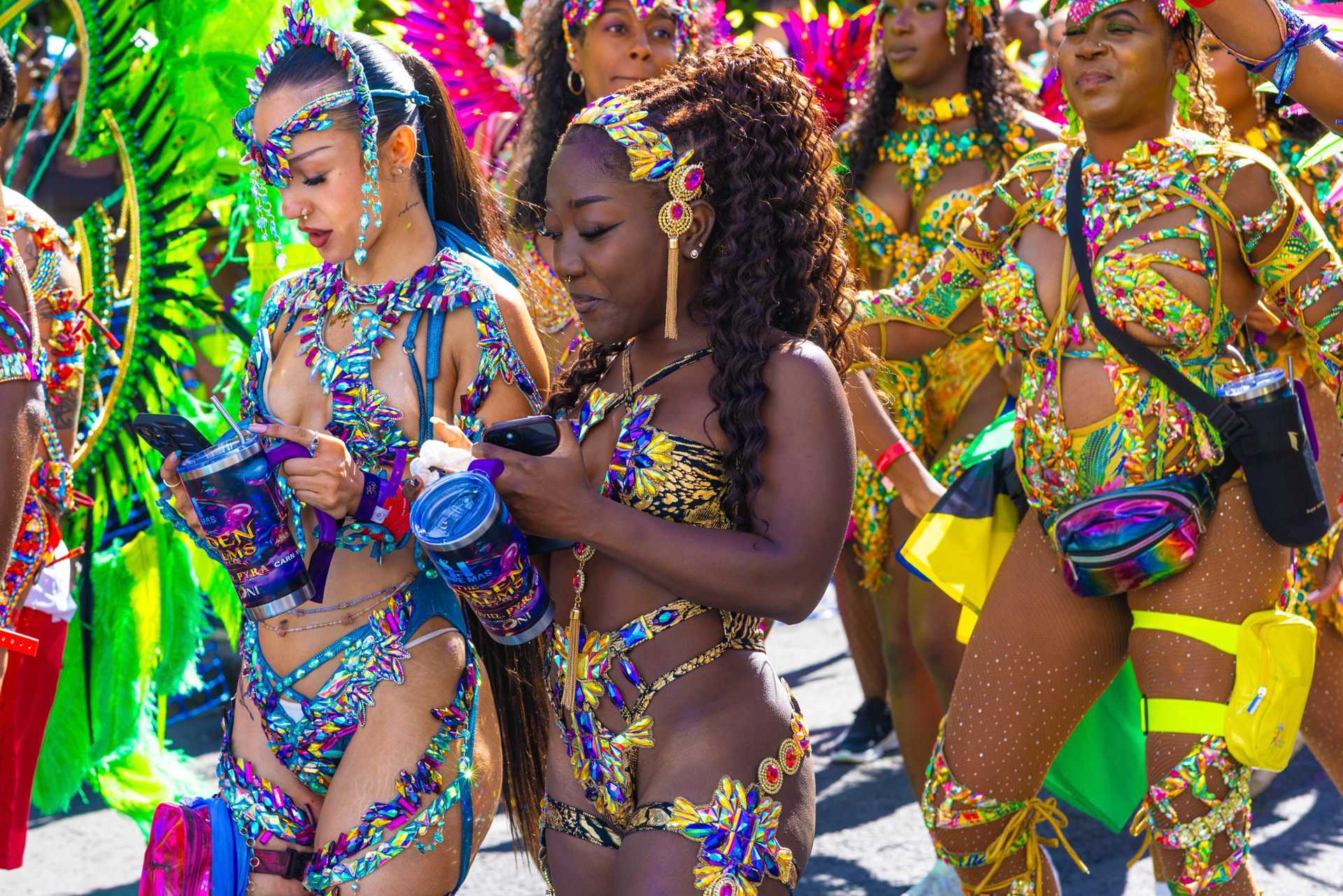
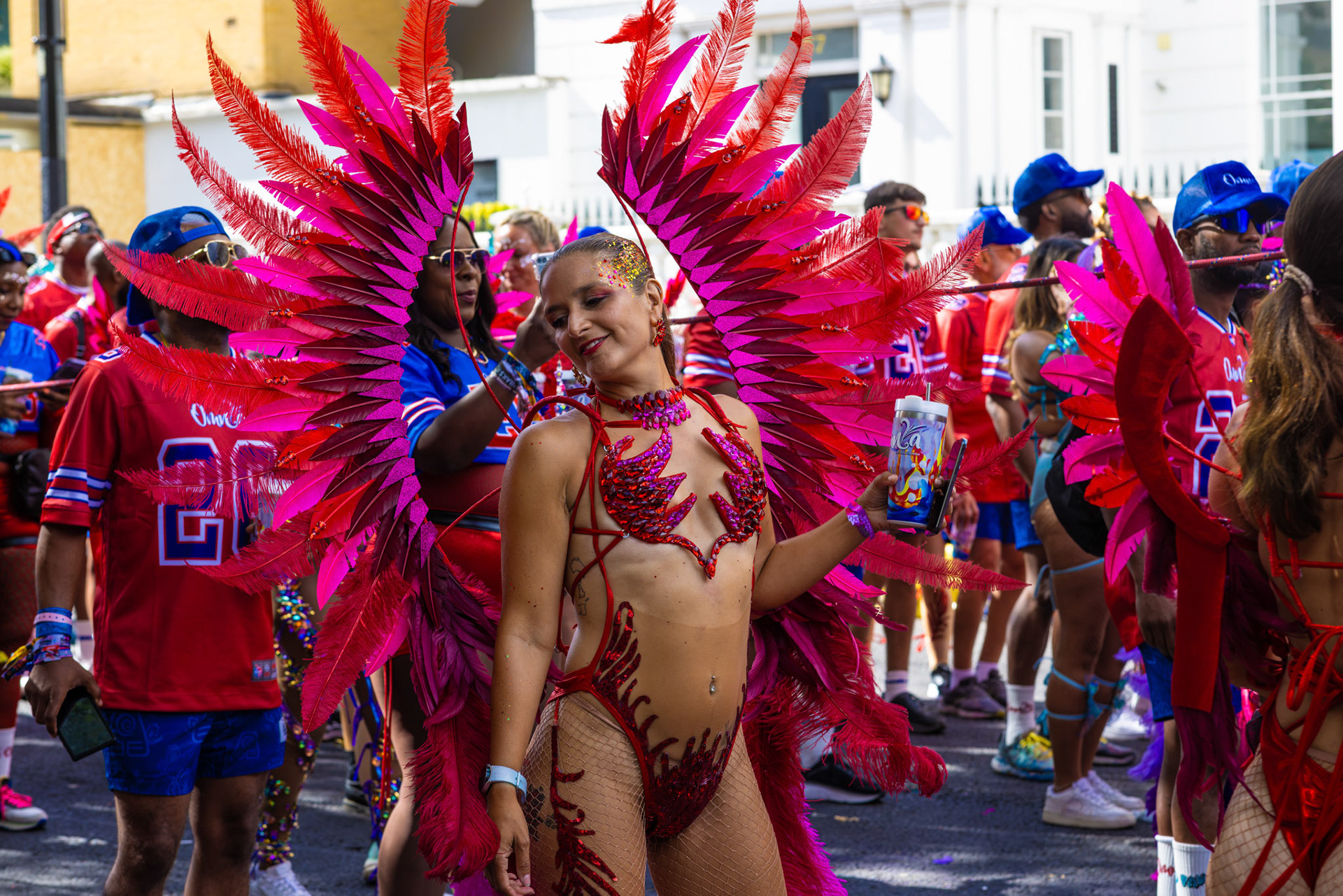
Today, Notting Hill Carnival is Europe’s largest street festival, celebrating Caribbean music, culture, costume and food.
In its 60th anniversary year, around two million people attended the 2026 Carnival over the two days.
From a small community response to racism and division, it has become one of London’s great annual celebrations.
London: A Global City Where 270 Nationalities Call Home
London is often described as one of the most diverse cities in the world.
Home to people from more than 270 nationalities and with over 300 languages spoken across the capital, the city is a remarkable meeting place of cultures, traditions and experiences. Around 41% of London's residents were born outside the United Kingdom, reflecting its long-standing role as an international centre for migration, opportunity and exchange.
This diversity is one of the things that makes London such an exciting place to live and visit. Walking through the city, it is possible to hear dozens of languages in a single day and encounter influences from every continent. Different communities have shaped London's restaurants, markets, music, fashion and festivals, giving neighbourhoods across the city their own distinctive character while contributing to
London's shared identity.
London's international population also plays a major role in its success as a global centre for business, education, finance and the arts. People from around the world bring new ideas, skills and experiences, helping the city remain dynamic and constantly evolving. Few places offer the opportunity to experience so many cultures within a single city, which is why London continues to attract millions of visitors and
new residents every year.
What makes London especially remarkable is that its diversity is woven into everyday life. From local high streets to world-famous landmarks such as Tower Bridge and Trafalgar Square, the city reflects a rich blend of cultures and perspectives. For many people, this mixture of backgrounds, traditions and ideas is what gives London its energy and makes it one of the most fascinating and vibrant cities in the world.