La mesa de la humanidad: comunidad, ritual y presencia compartida en Archidona durante la Semana Santa
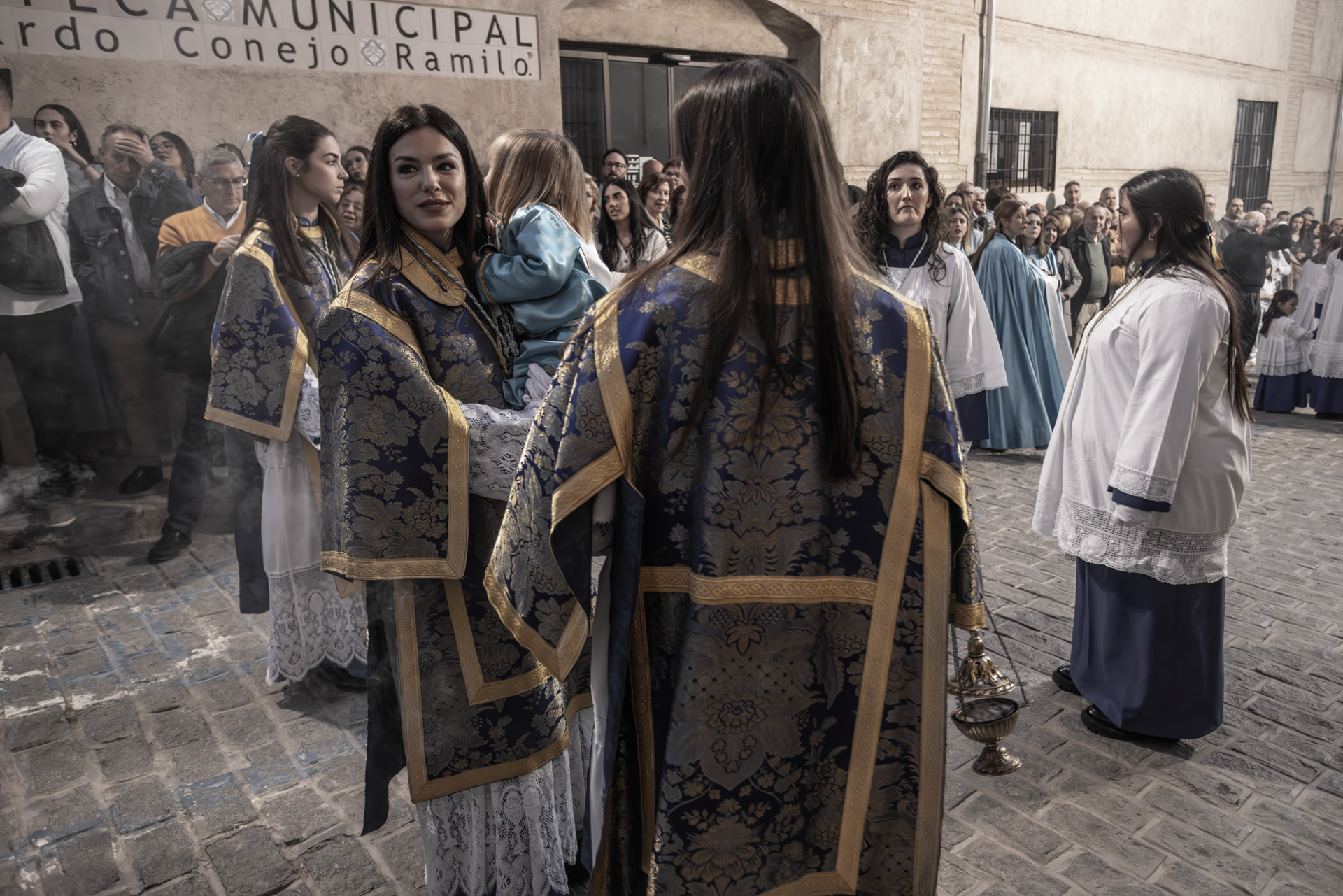
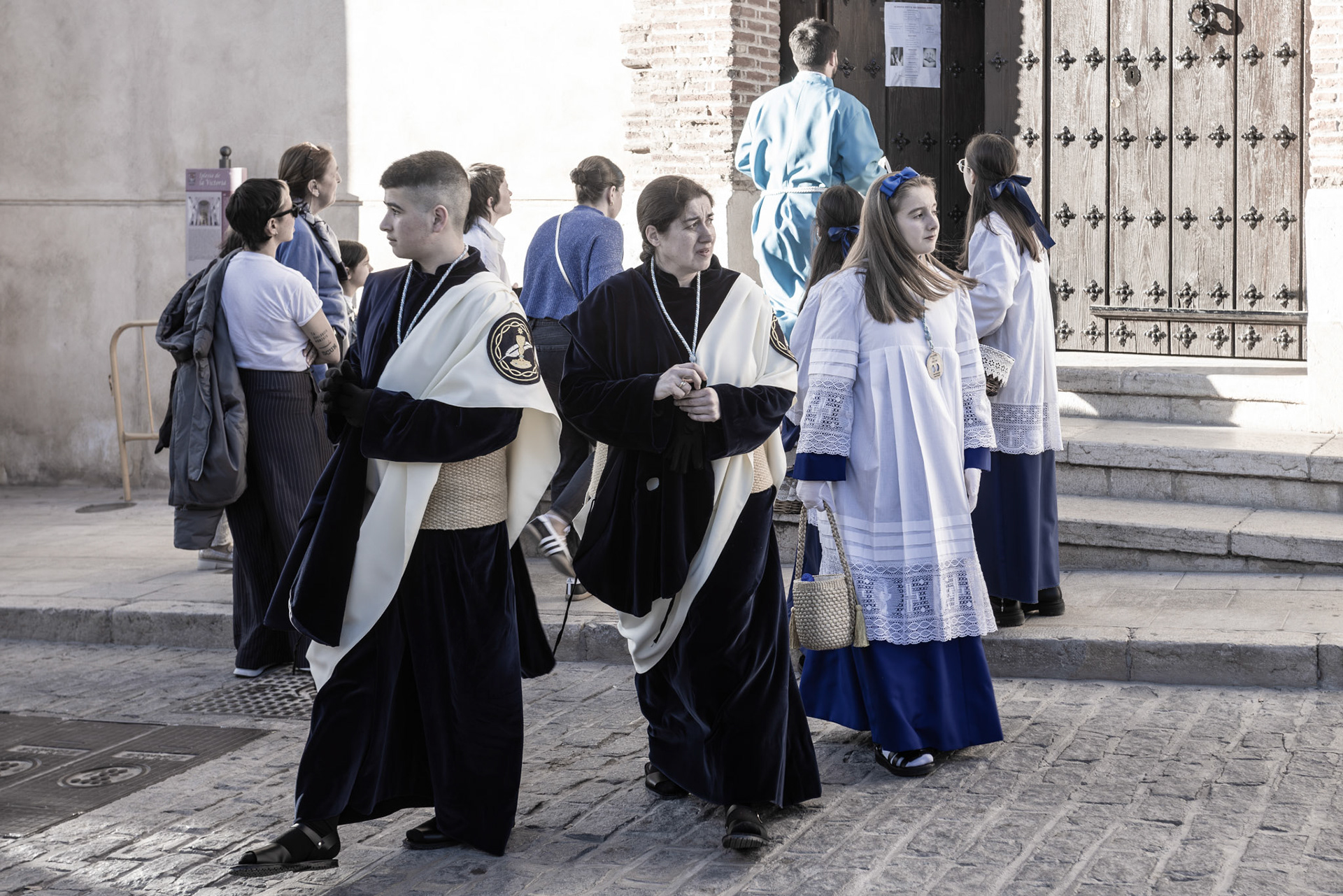
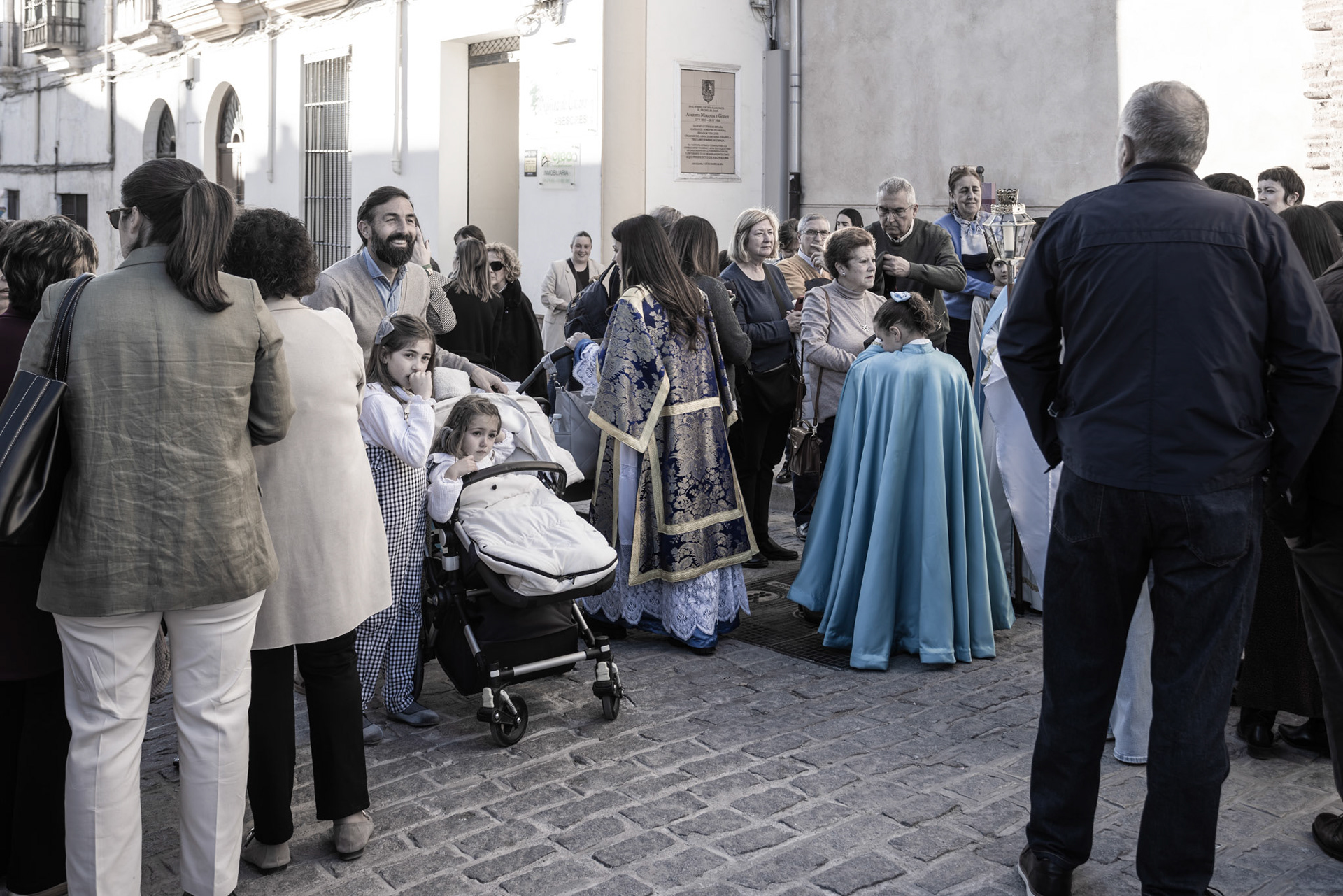
Tras haber visitado Archidona durante la Semana Santa, lo que más me ha quedado no es tanto la experiencia religiosa en sí, sino el profundo sentido de comunidad que genera: la manera en que reúne a las personas en una presencia compartida y en una participación colectiva. En muchos aspectos, la dimensión espiritual parece casi pasar a un segundo plano, dando lugar a algo más inmediato y profundamente humano: la unión.
En un mundo cada vez más moldeado por la tecnología y marcado por desacuerdos que a menudo empujan a las personas a separarse, este sentido de comunidad resulta especialmente significativo. Nos recuerda que, por debajo de la fragmentación moderna, sigue existiendo una necesidad humana profunda de reunirse, de participar en experiencias compartidas y de encontrar conexión en los demás.
También me parece que uno de los aspectos más duraderos de la iglesia y de la tradición religiosa surge cuando el énfasis en el castigo y el juicio moral se atenúa. Sin ese peso, lo que queda es algo más fluido y vivido—algo que va y viene con los ritmos de la vida de las personas, y que precisamente por ello es capaz de crear y
sostener comunidad.
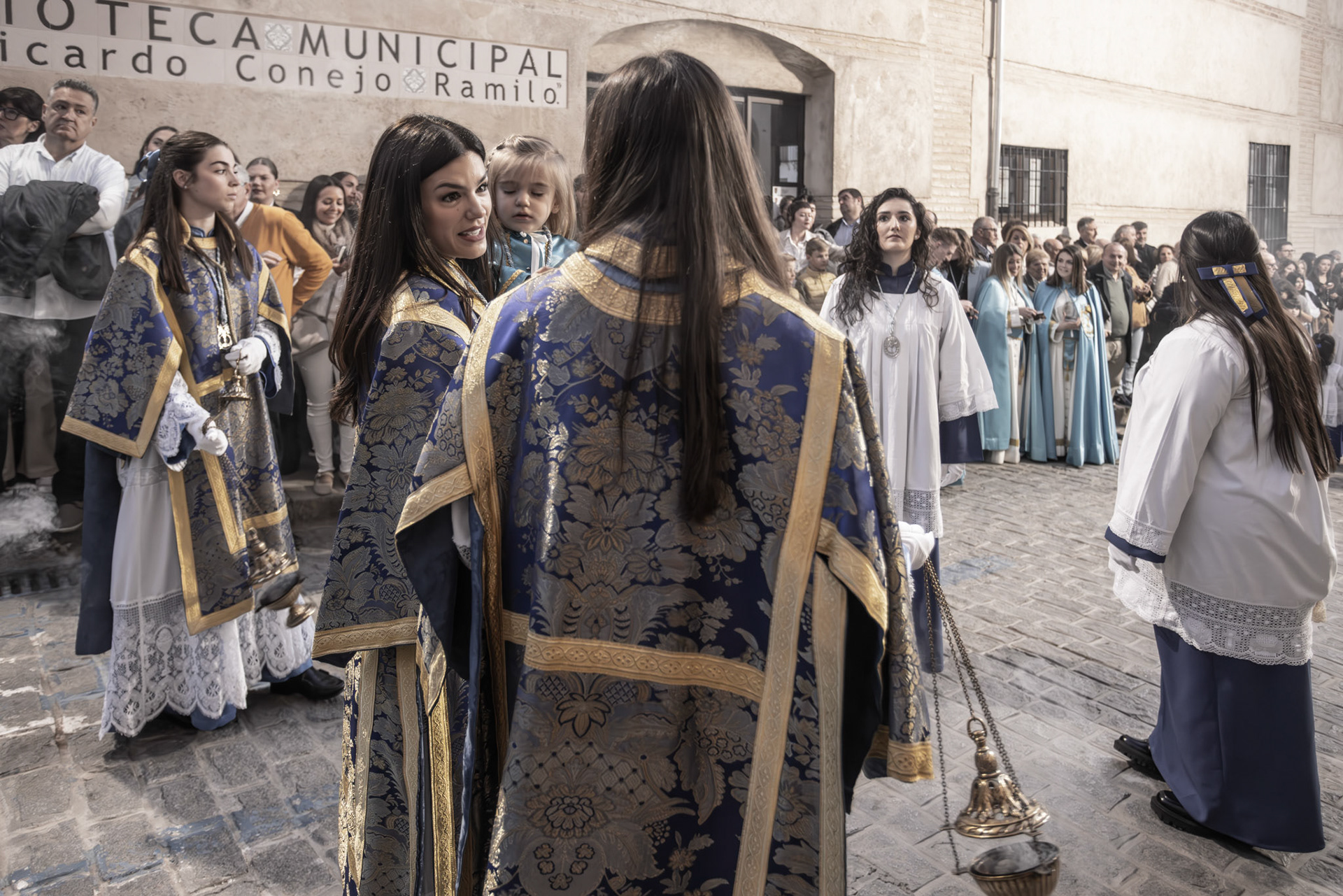
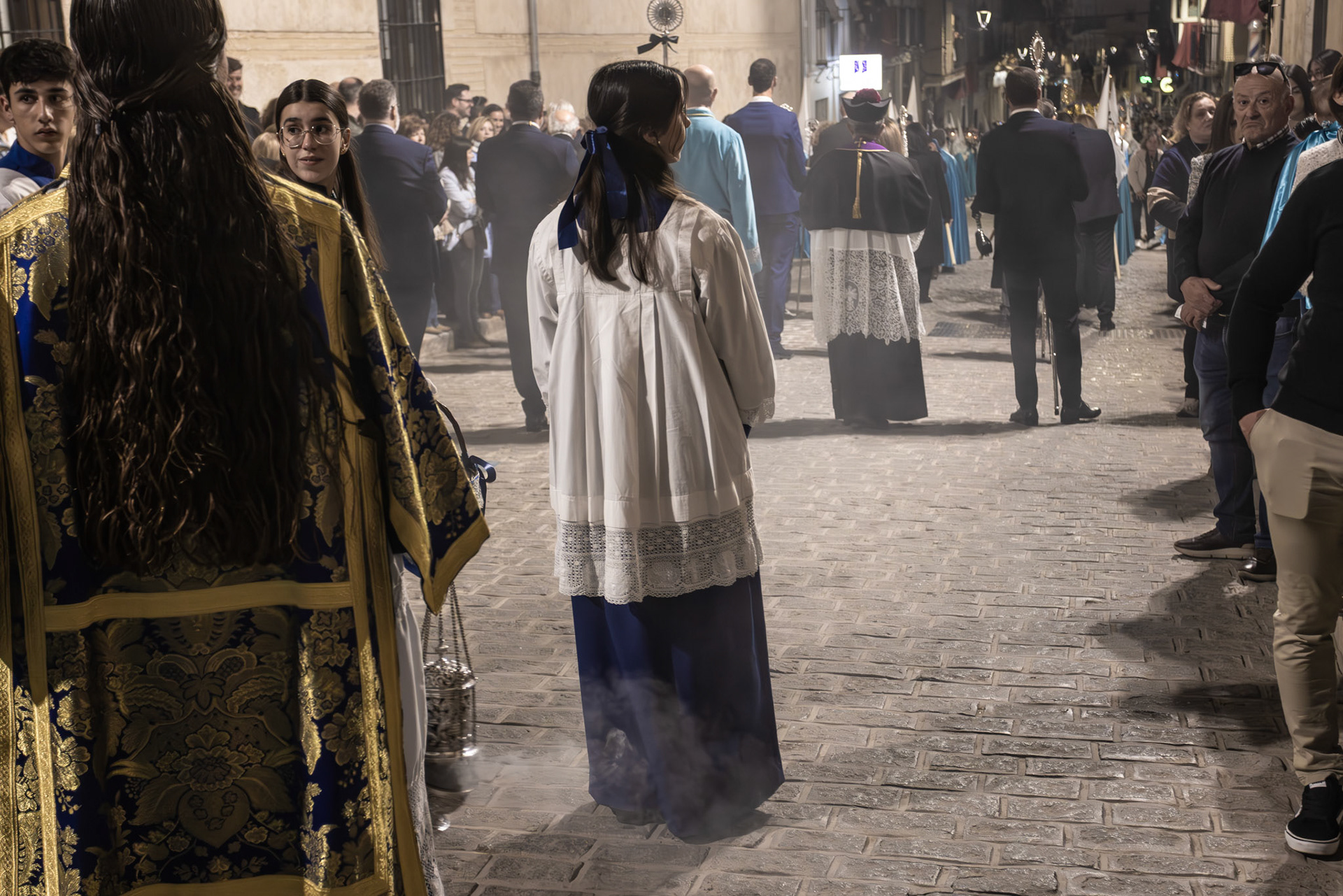
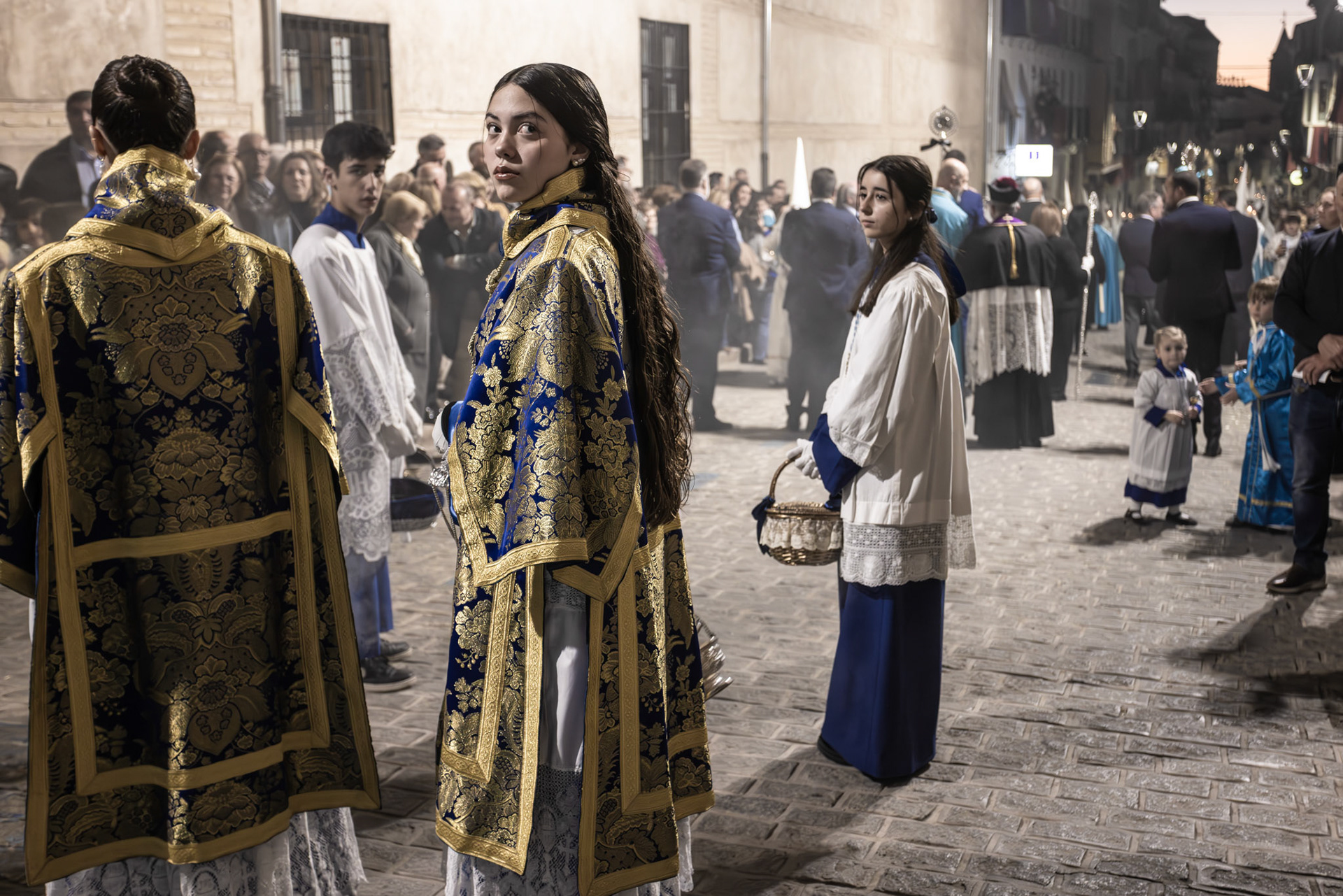
Desde esta perspectiva, no es necesariamente la creencia o la fe en lo desconocido lo que más importa, sino la participación en el ritual en sí. El acto de estar presente, de moverse juntos y de compartir una práctica simbólica se convierte en el vínculo que une a las personas en una experiencia colectiva.
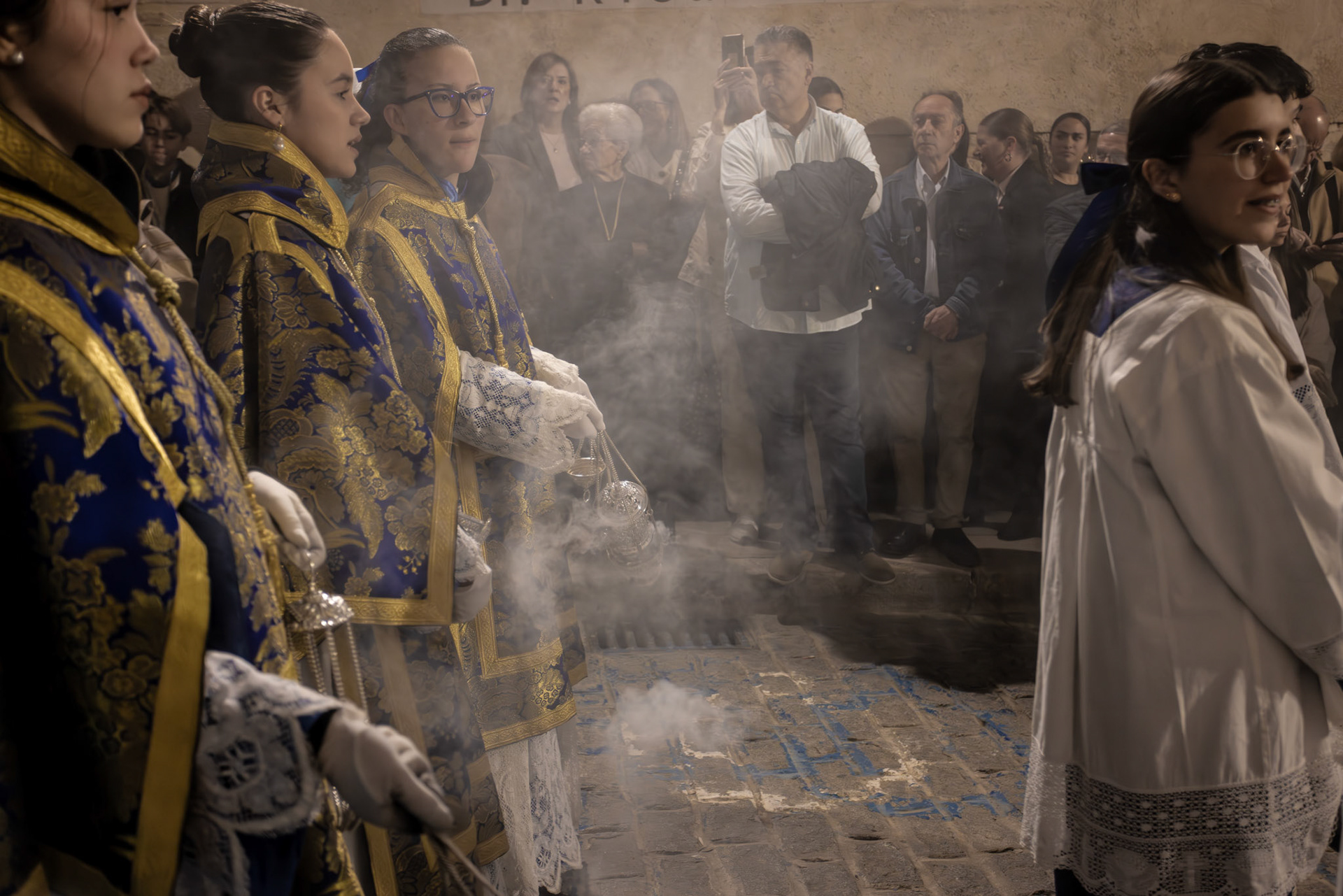
En ese sentido, la iglesia puede verse como una larga mesa familiar—un espacio cotidiano pero profundamente significativo, que en cierto modo recuerda a la Última Cena. Un lugar donde el significado no se impone desde arriba, sino que emerge de forma natural a través de la presencia, la conversación y el ritual compartido.
La verdadera conexión, entonces, quizá no reside en la fe ciega, sino en algo más fundamental y universal: un sentido de conexión comunitaria, de pertenencia dentro de un tejido humano compartido.
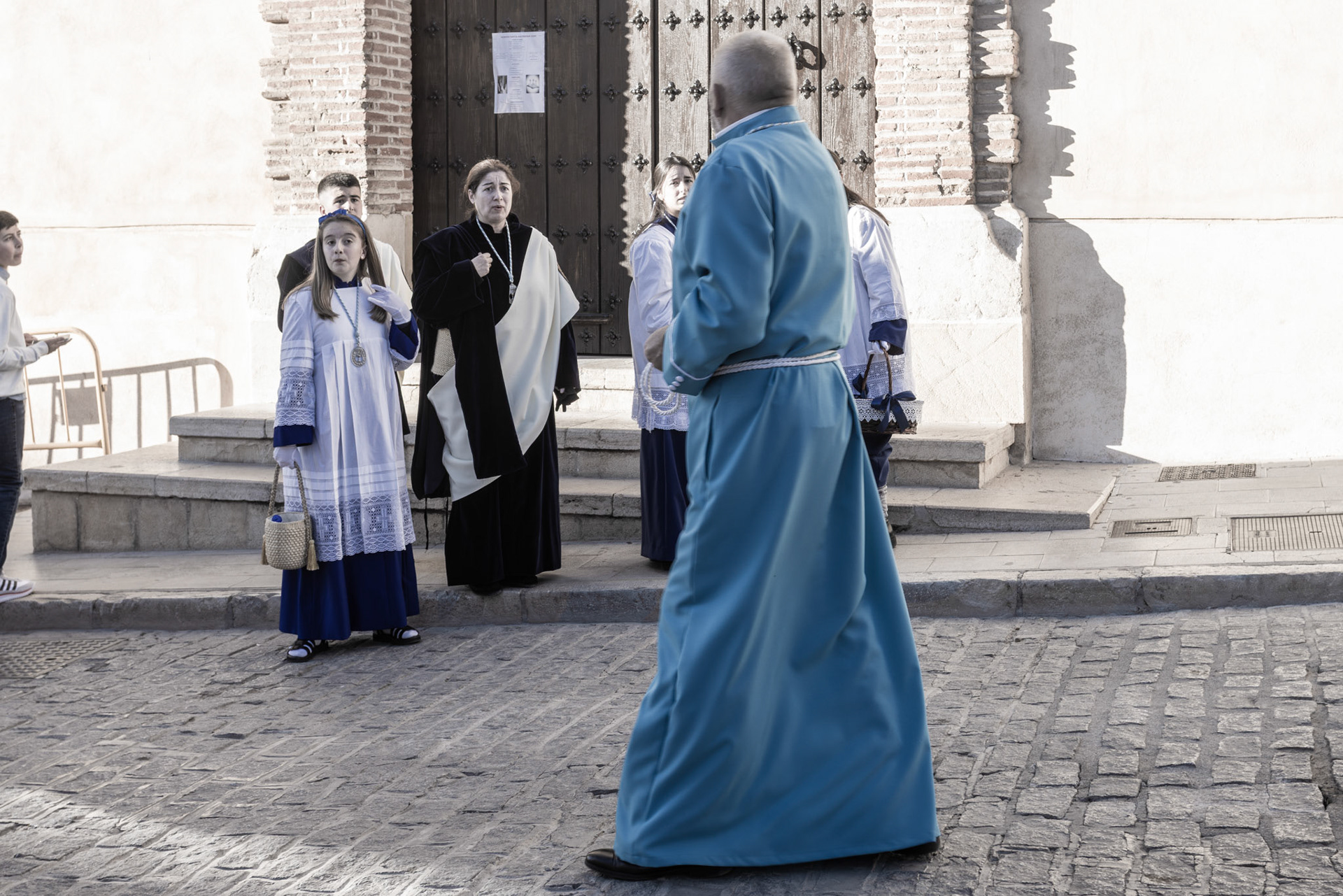
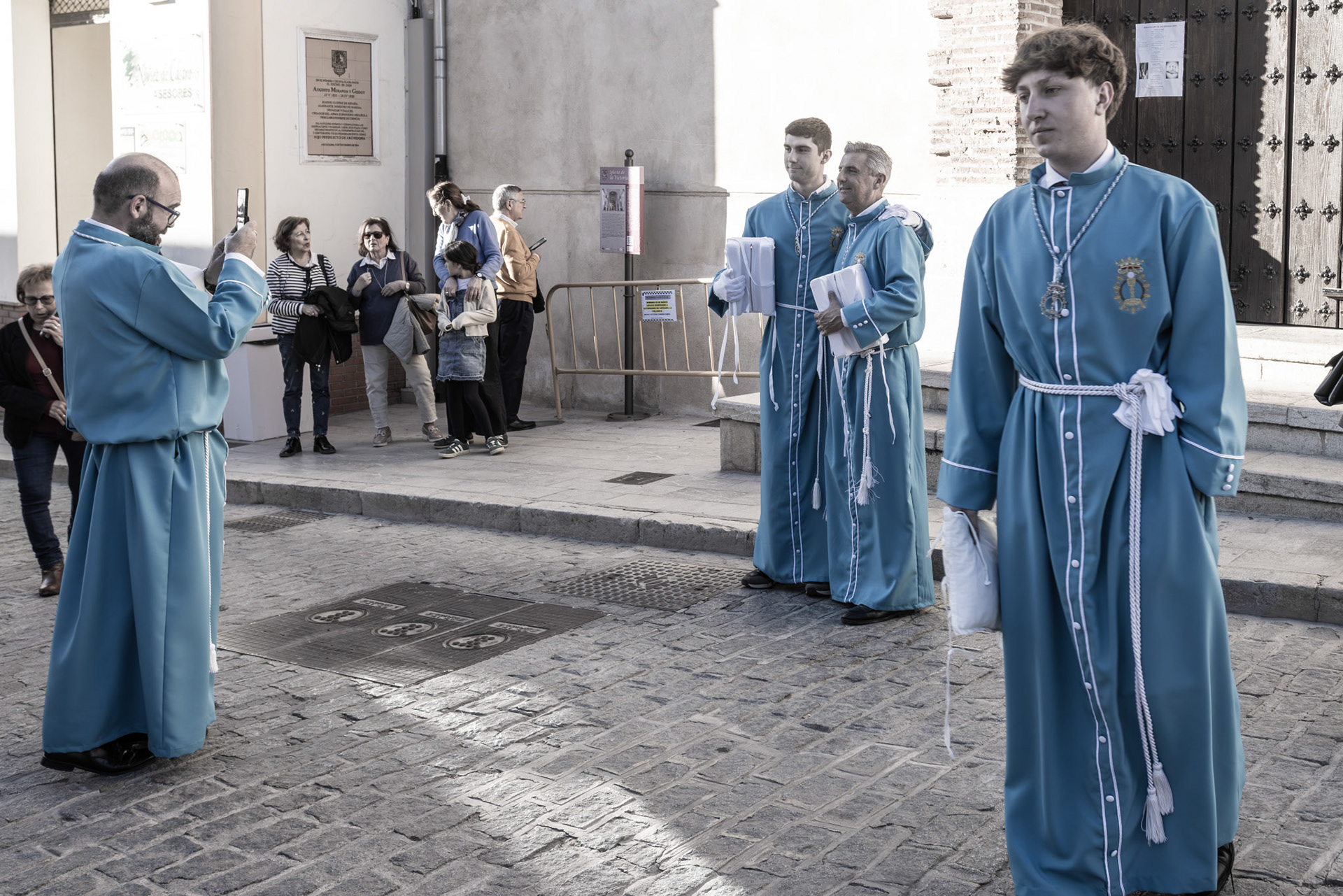
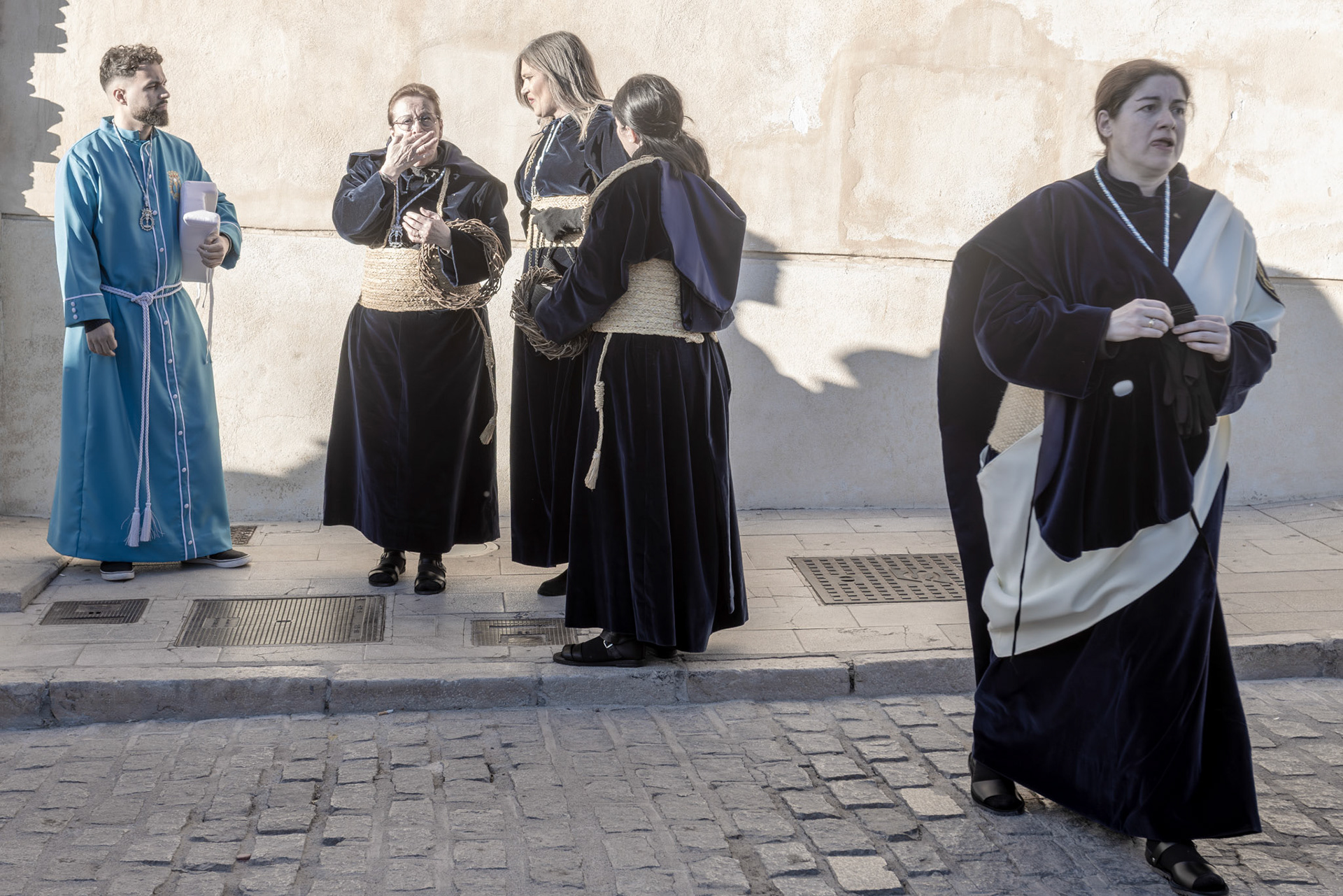
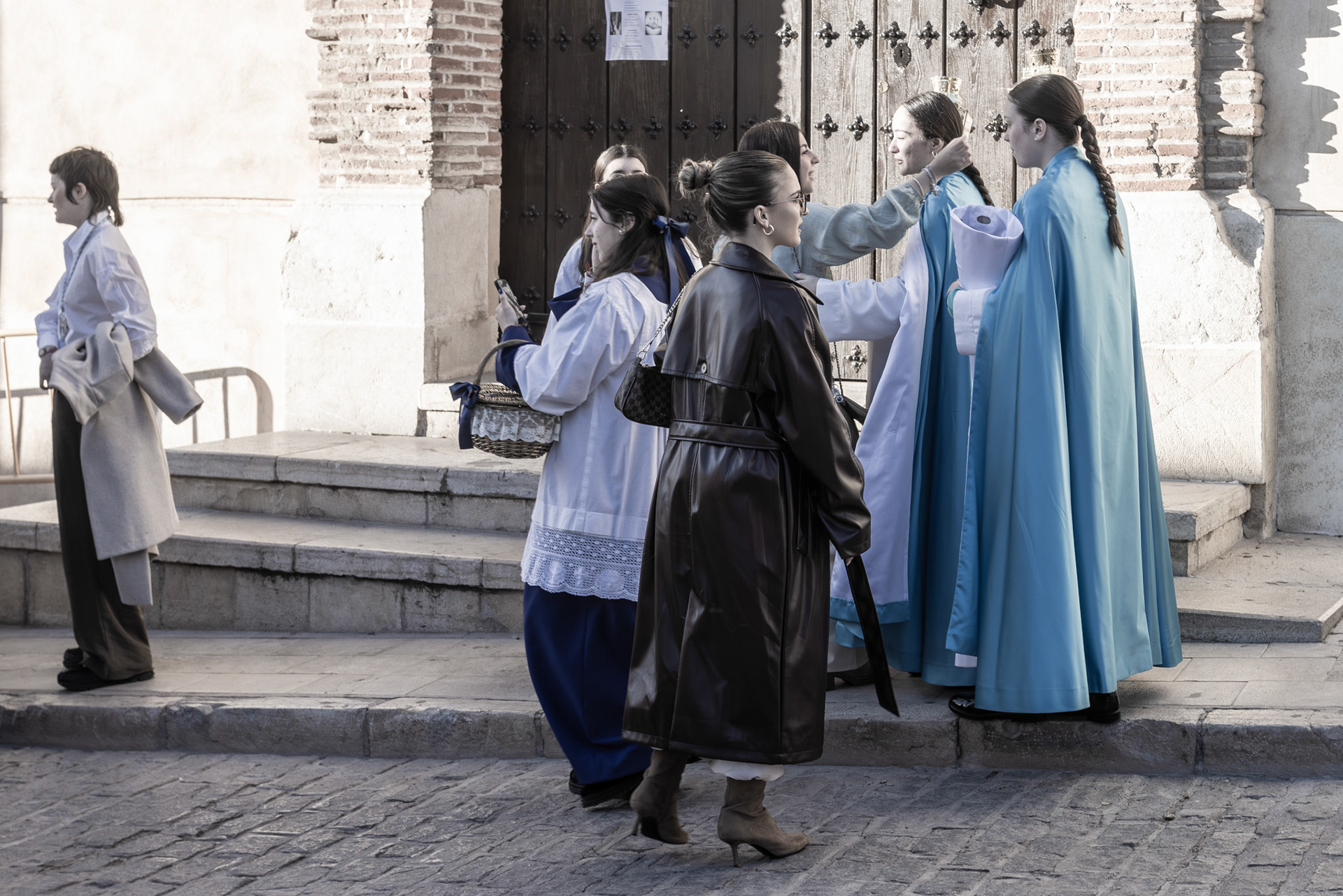
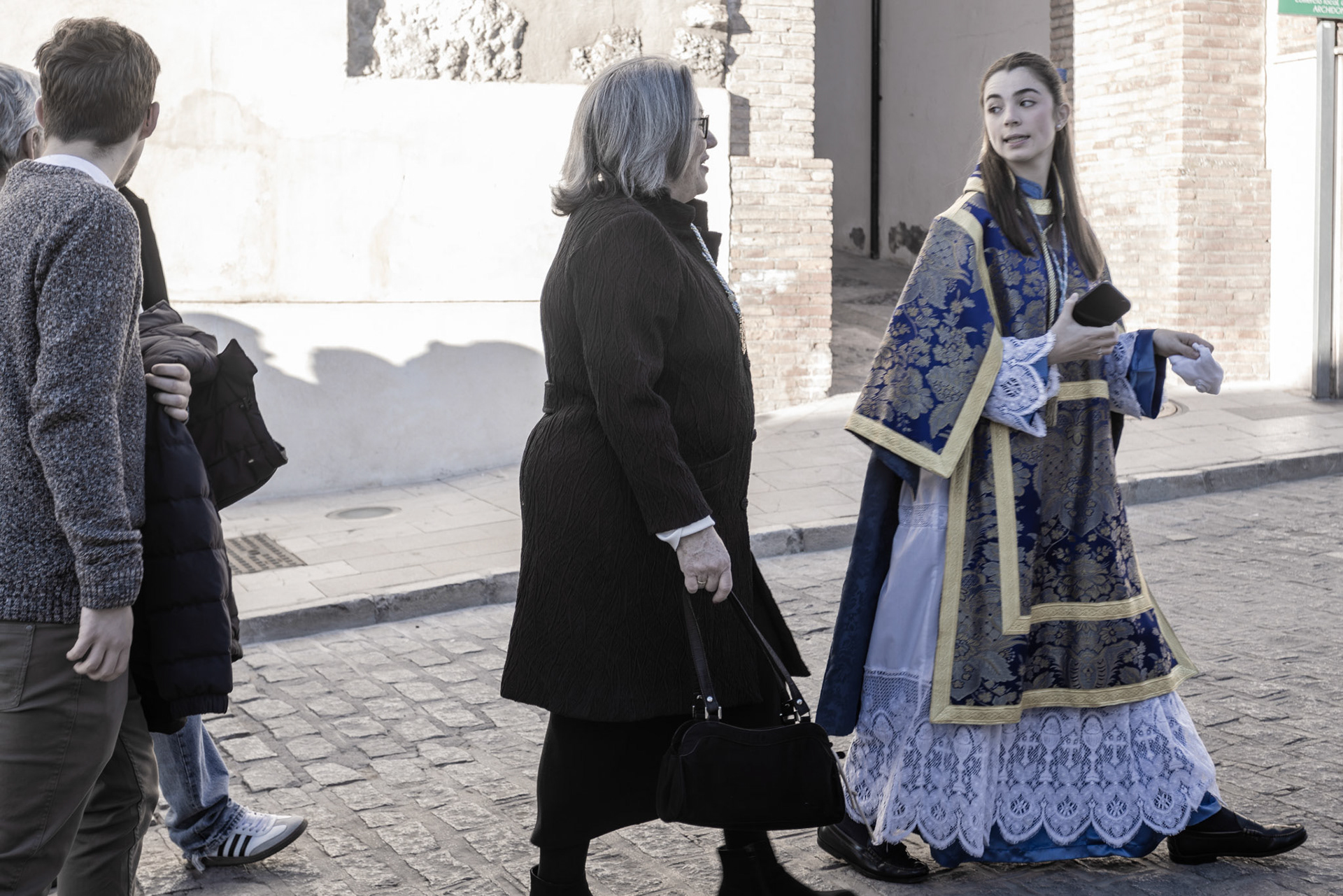
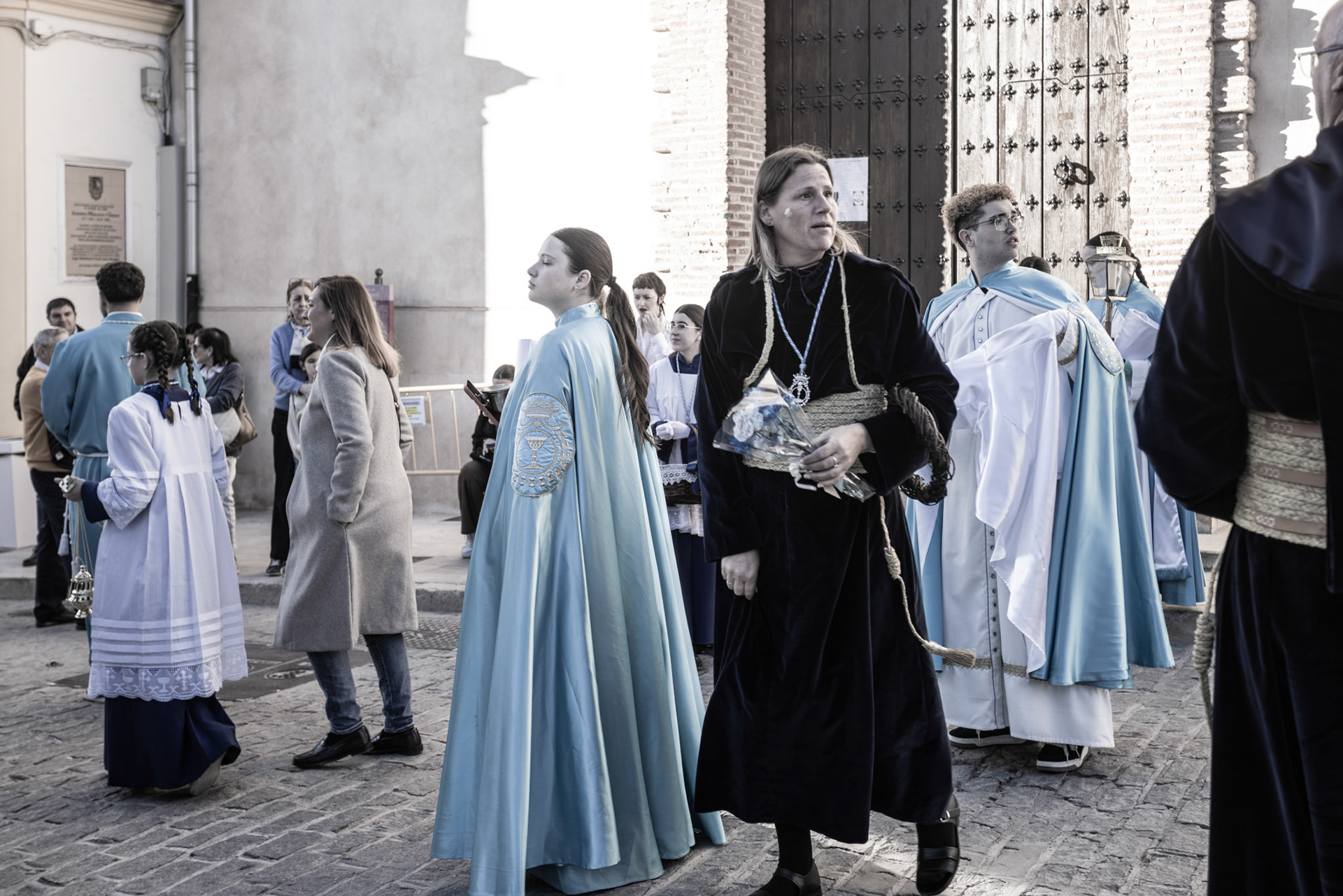
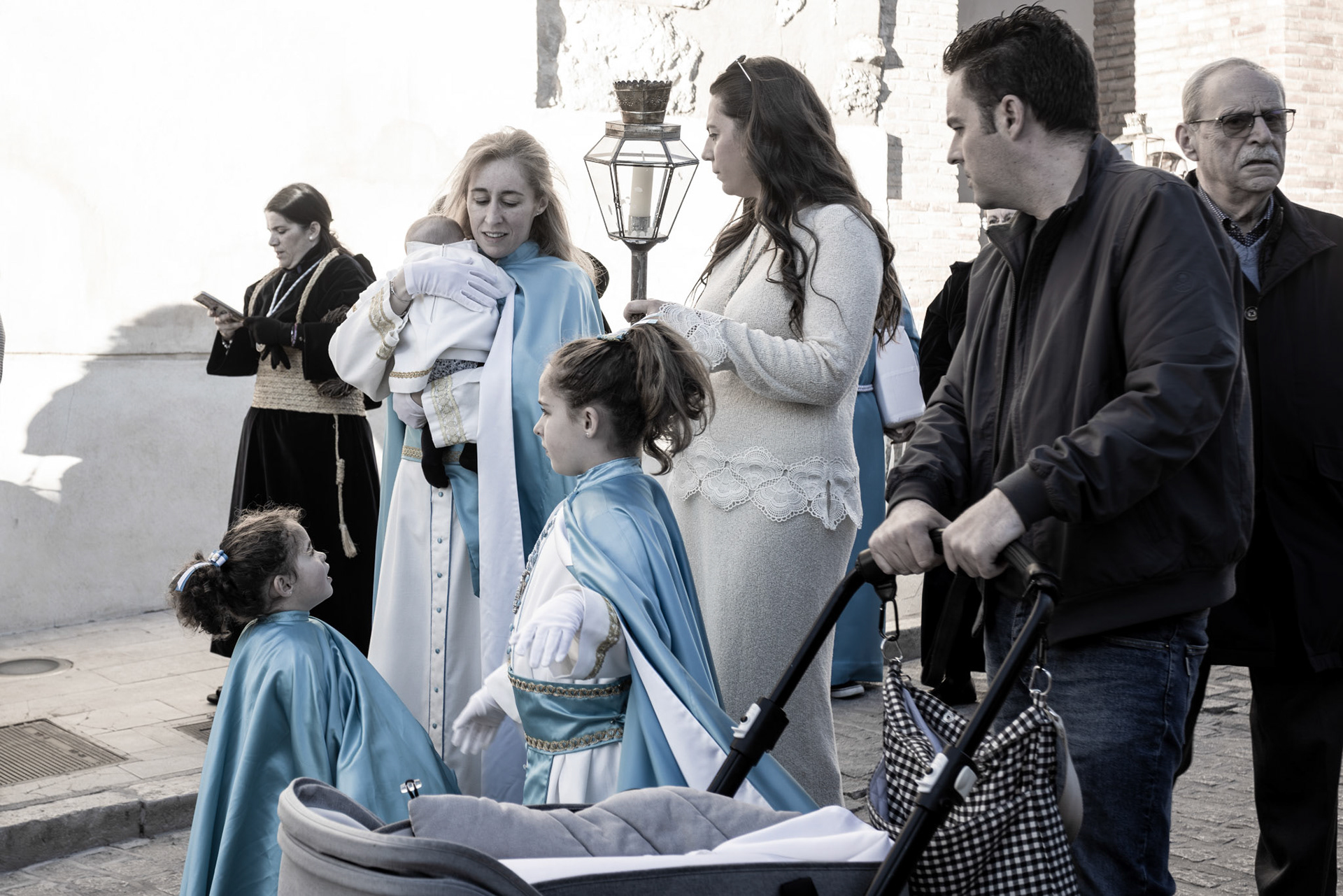
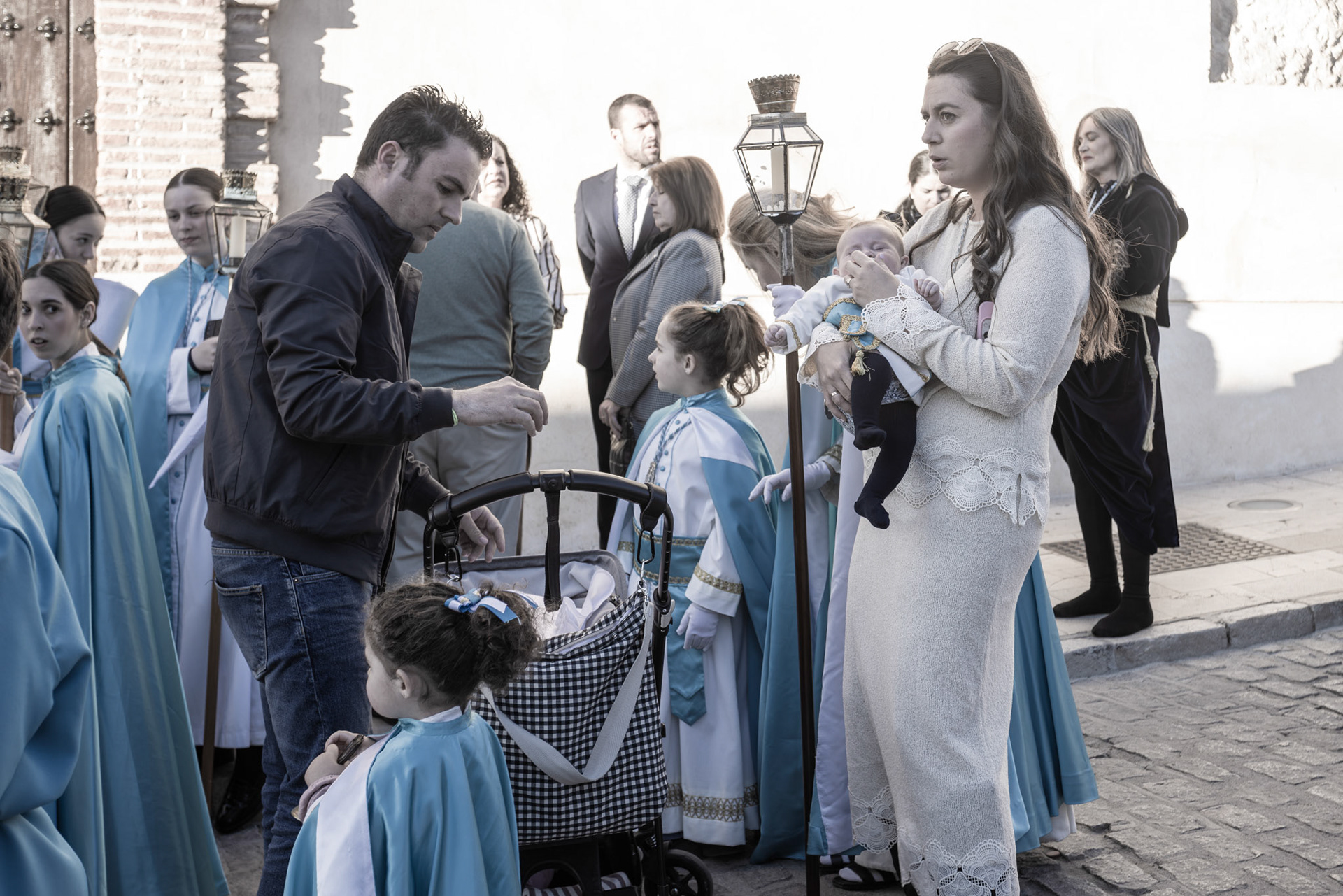
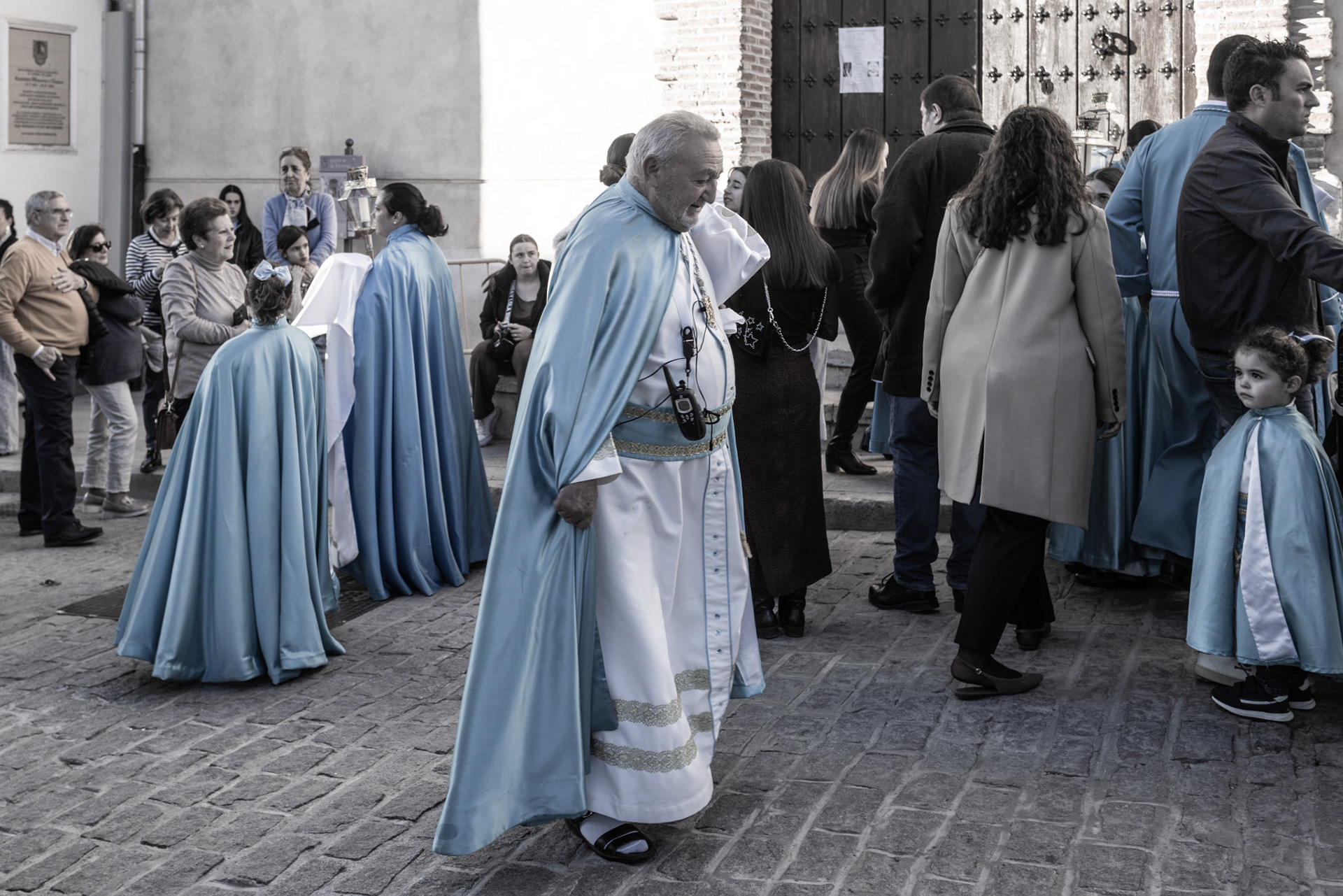
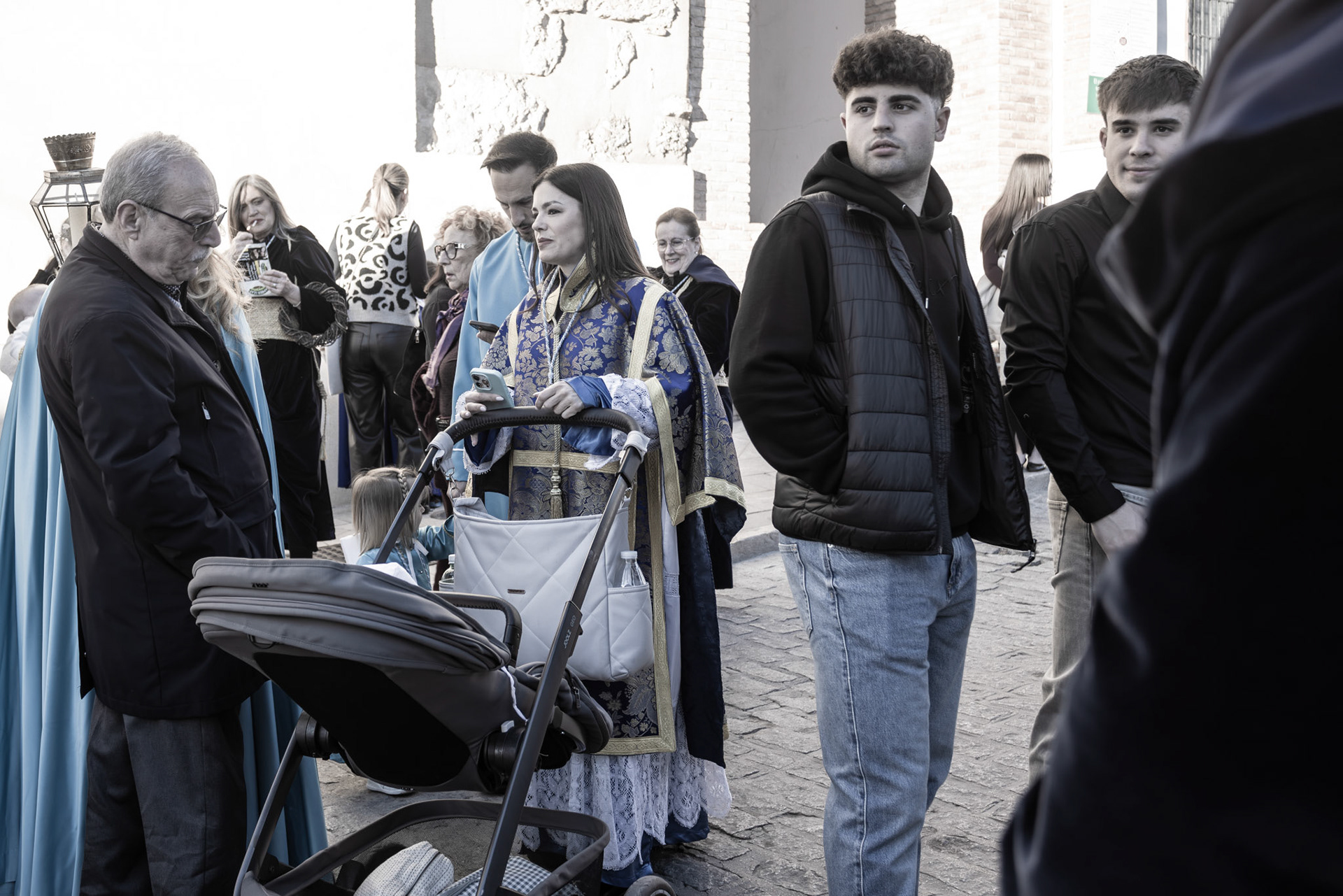
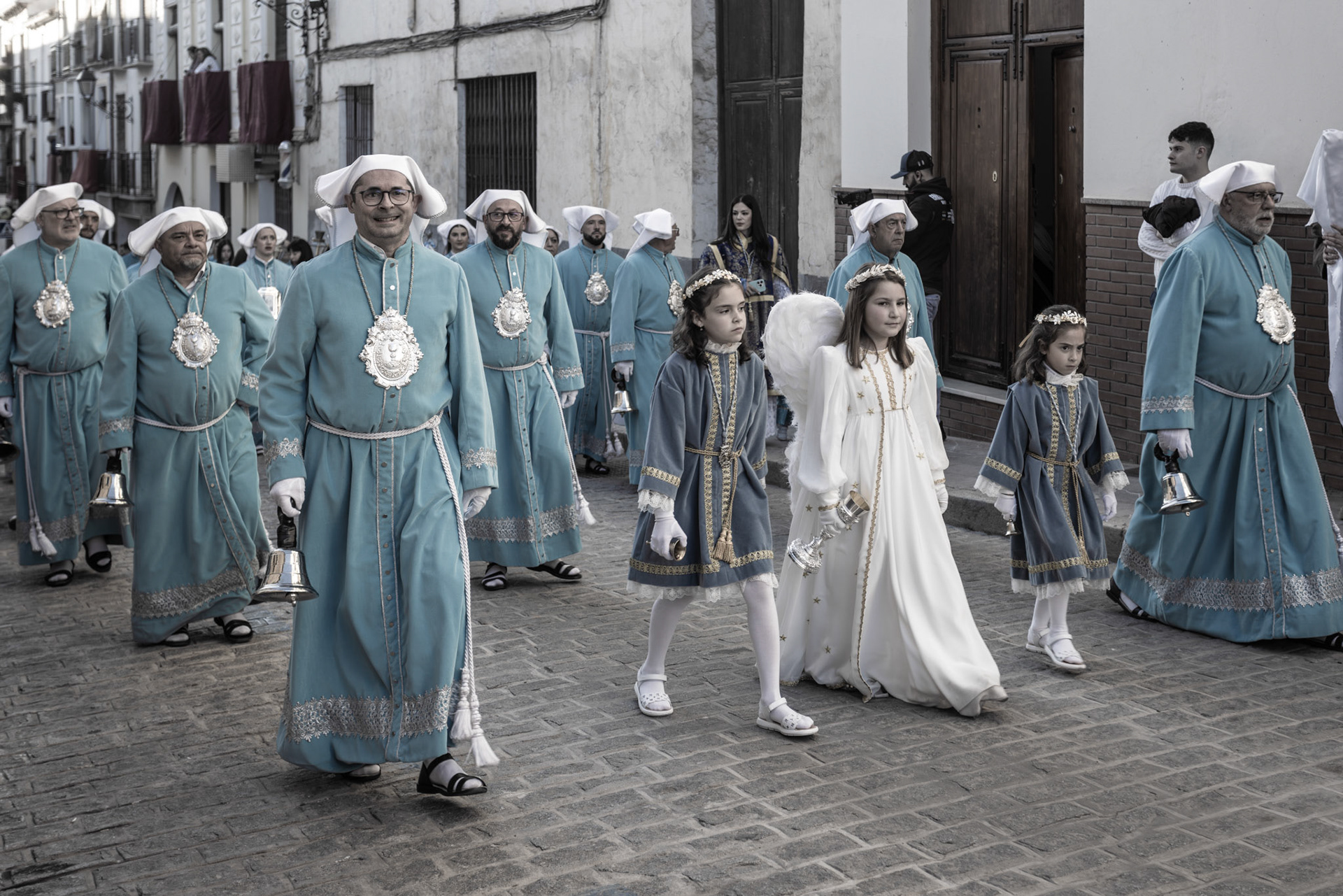
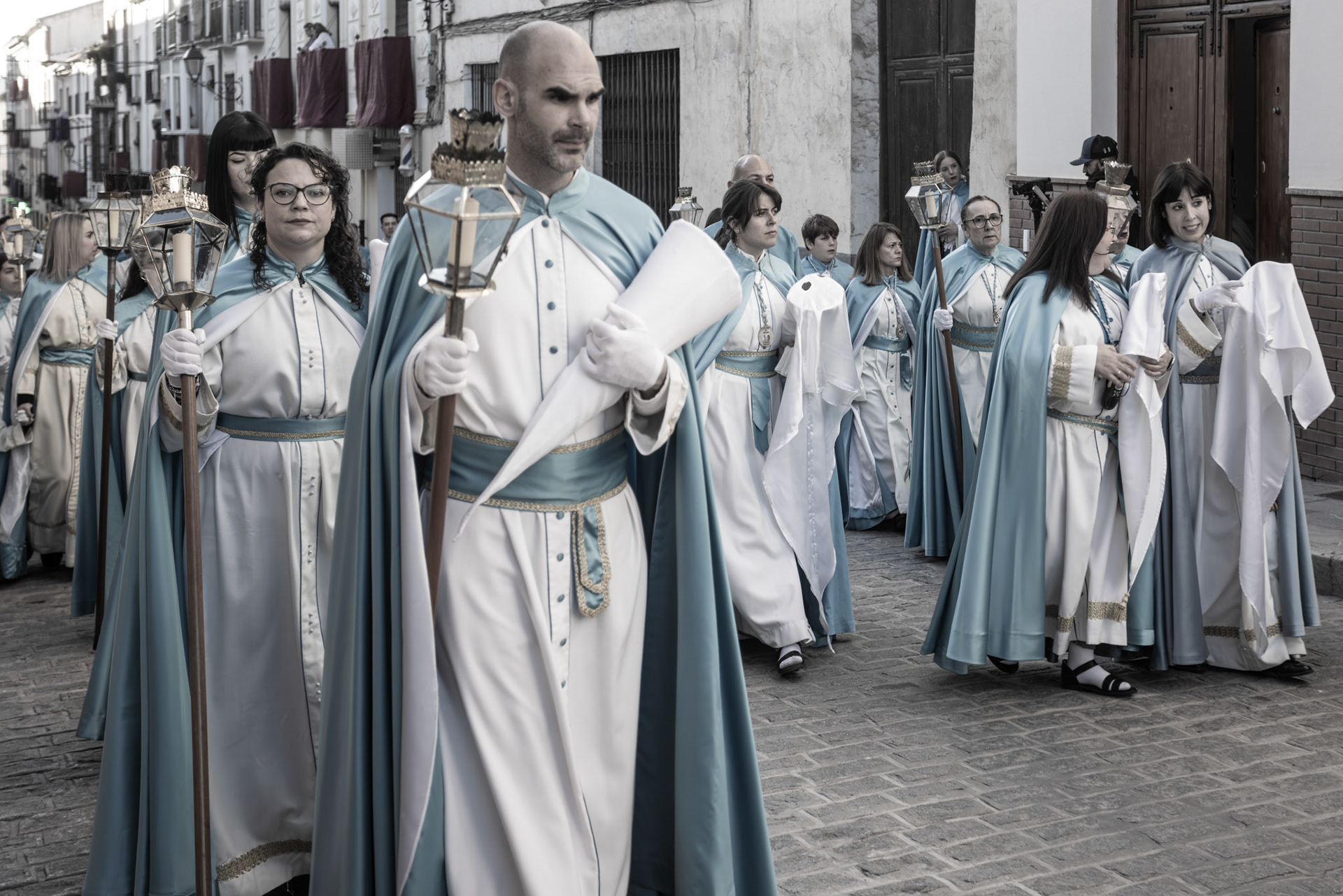
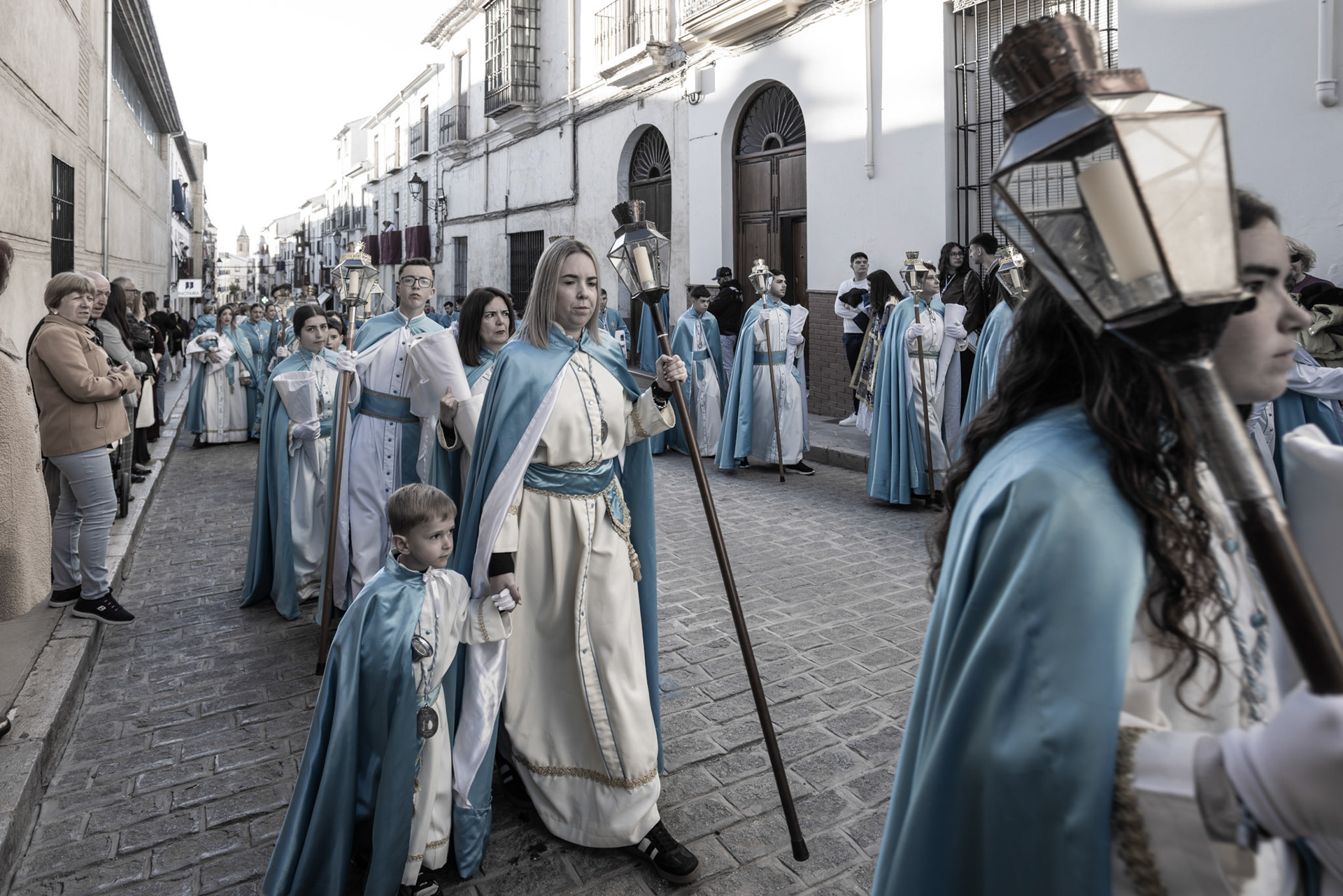
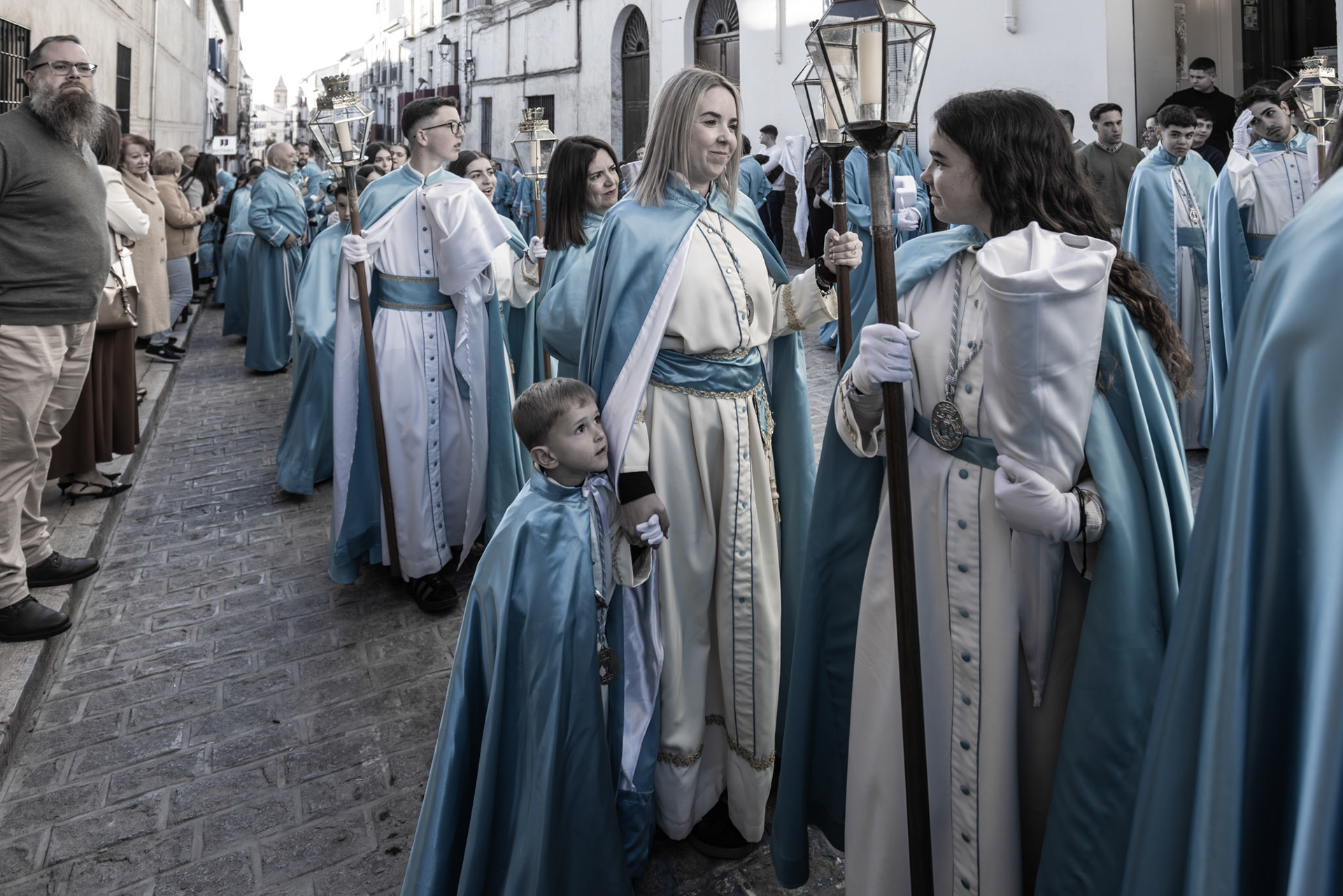
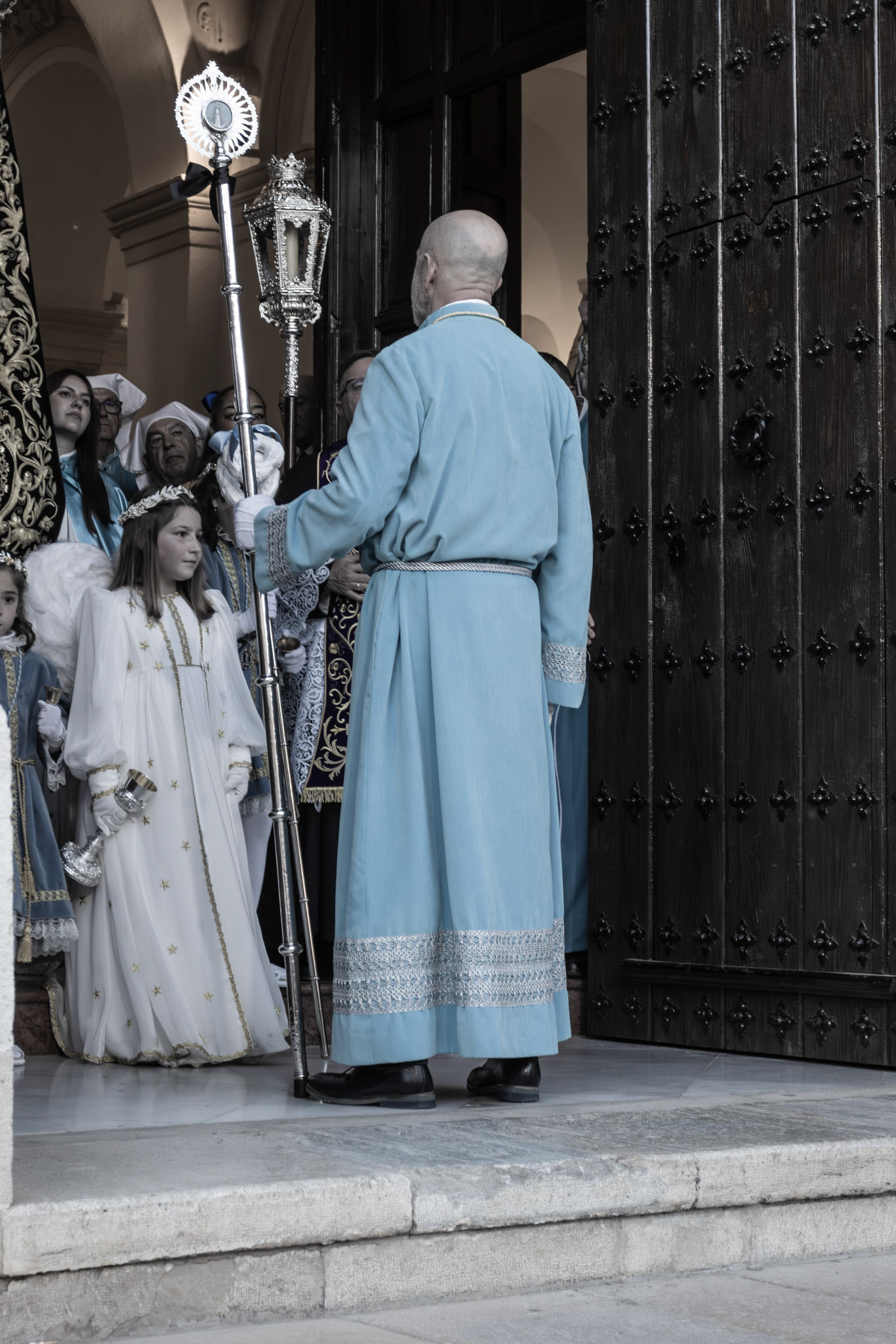
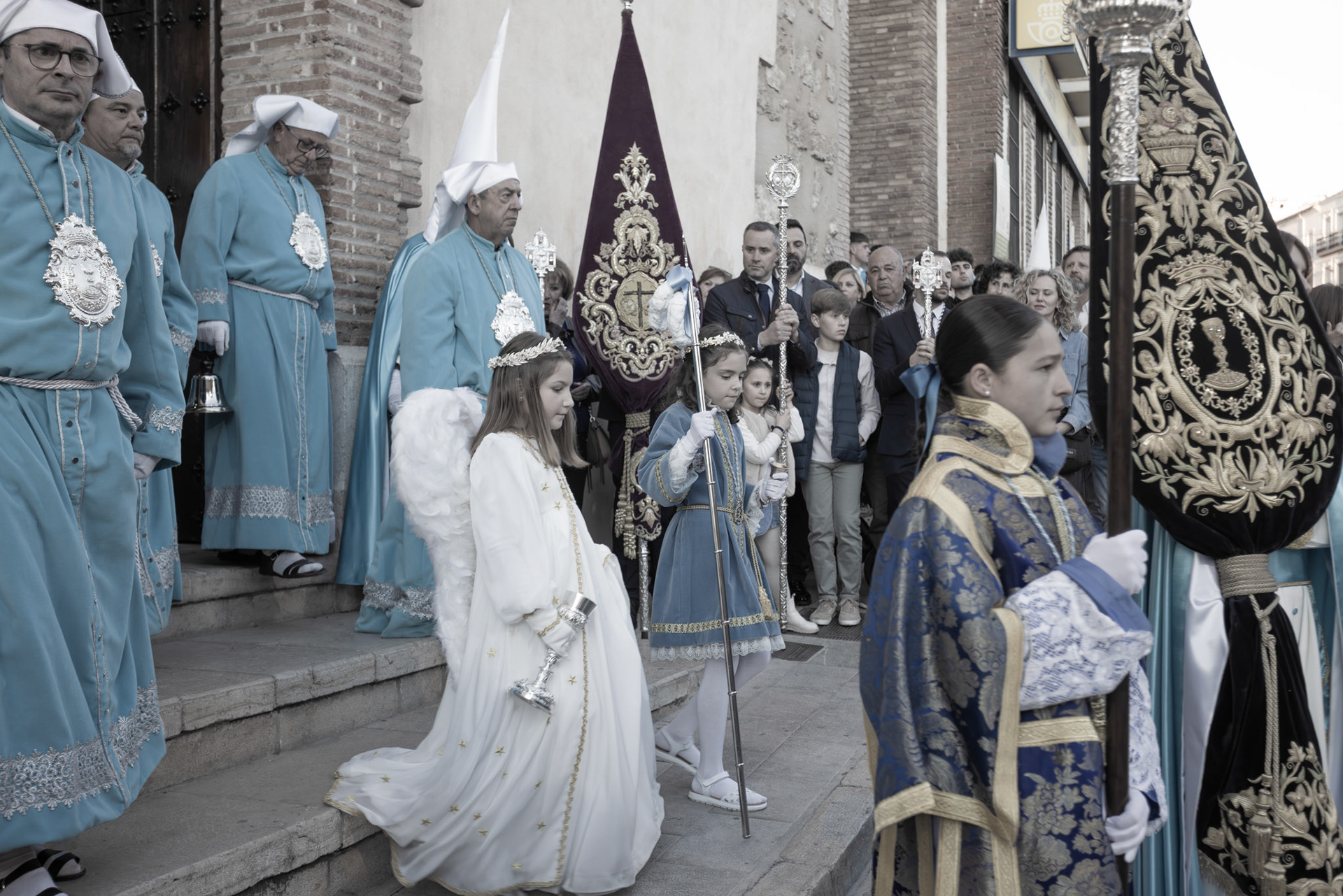
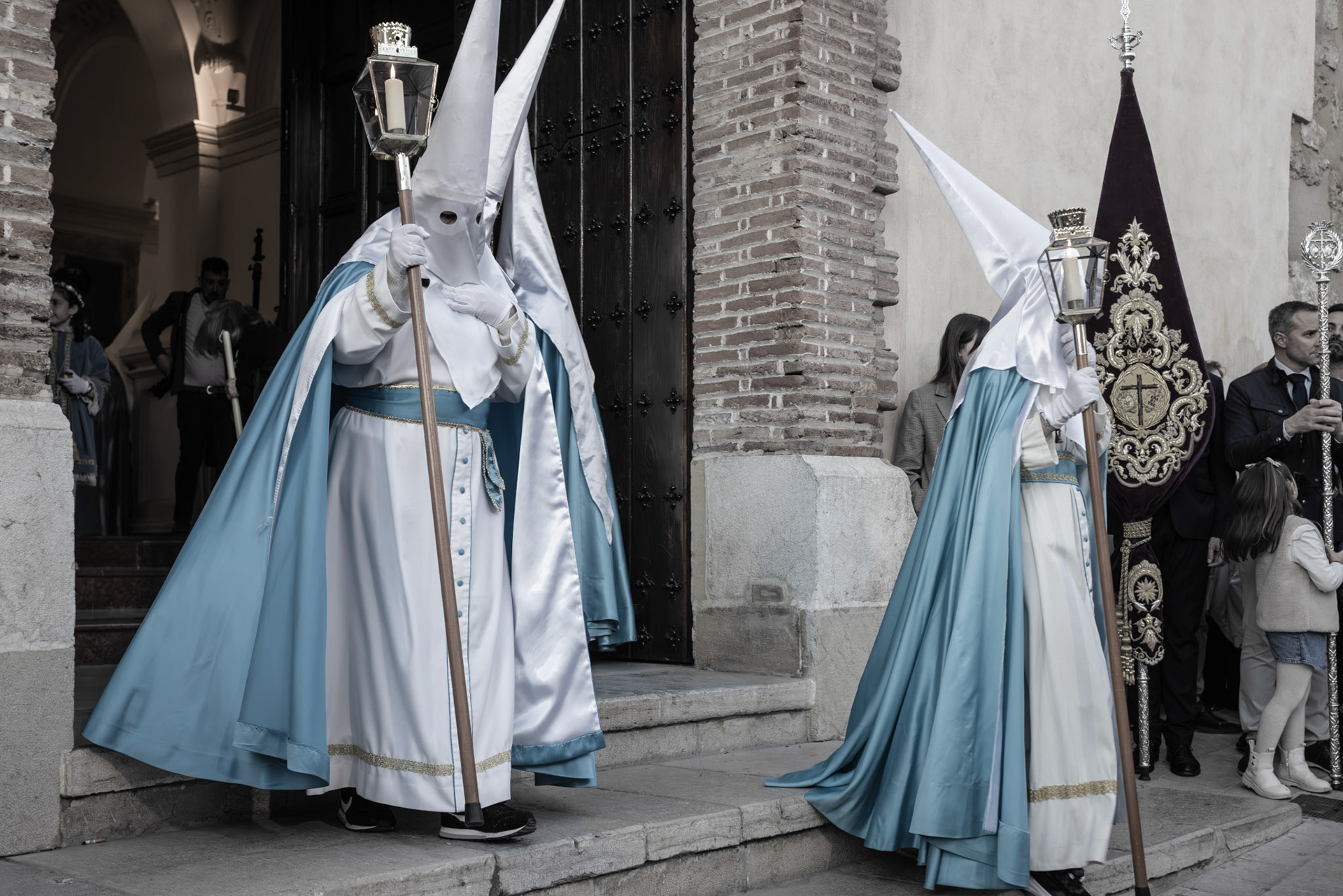
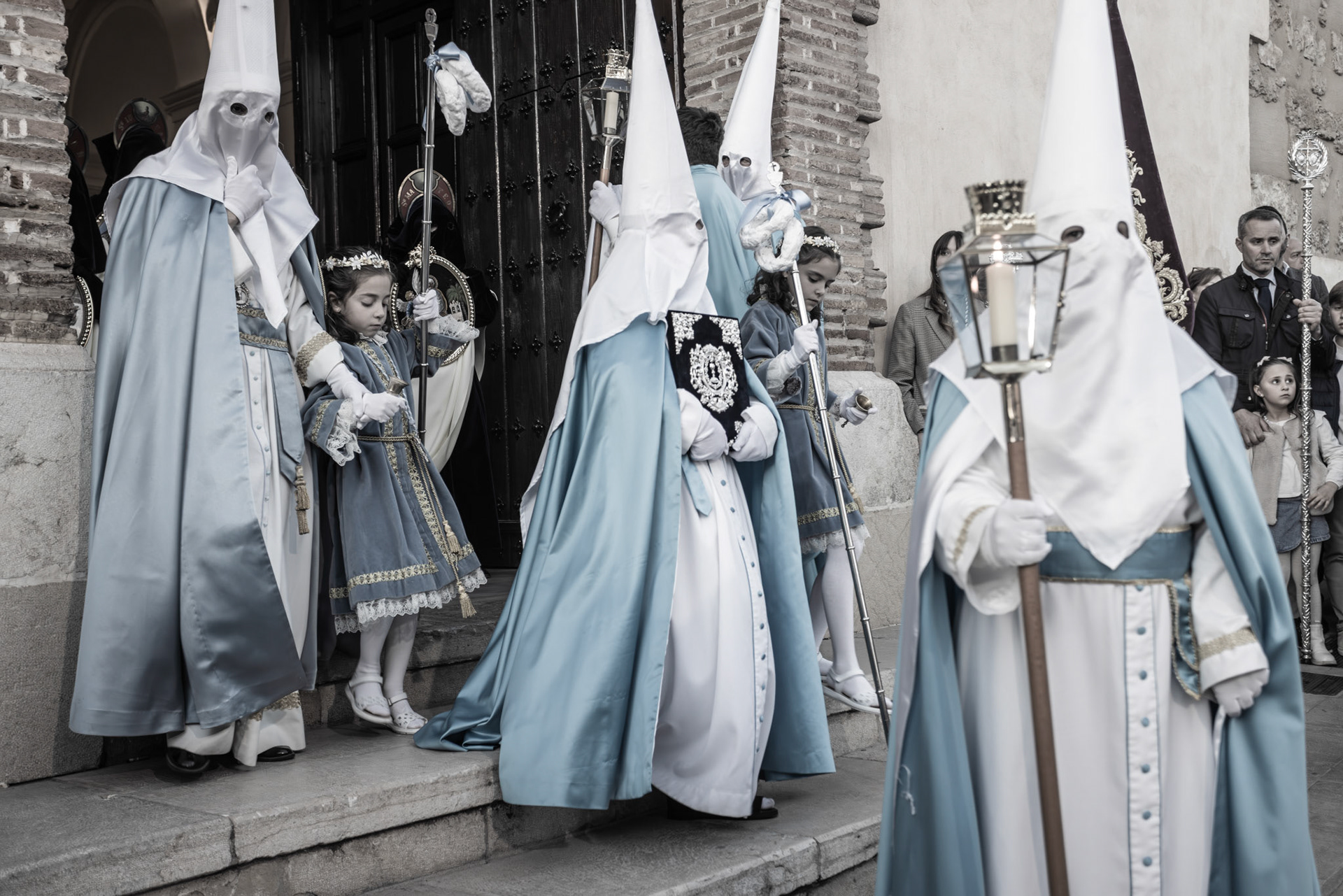
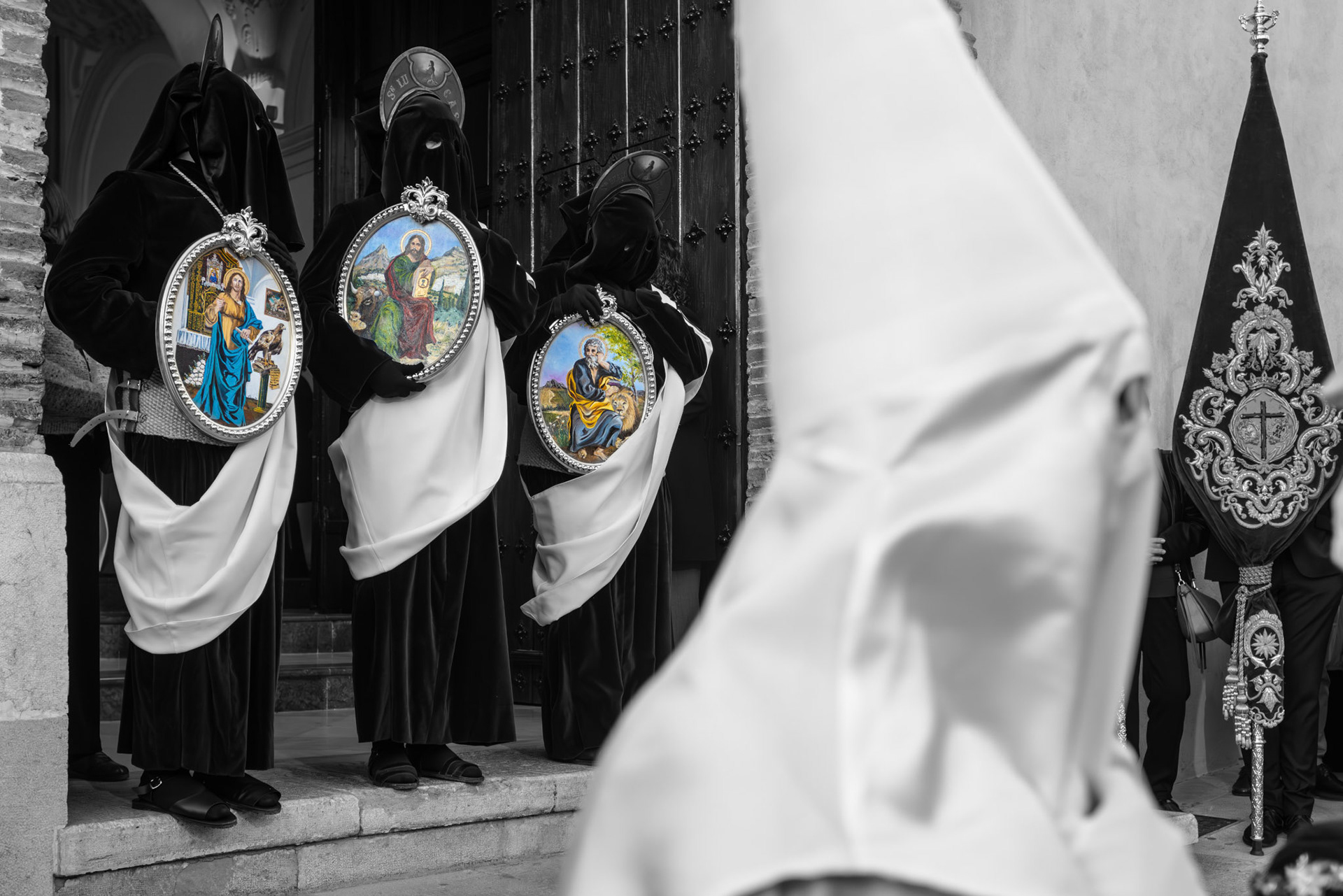
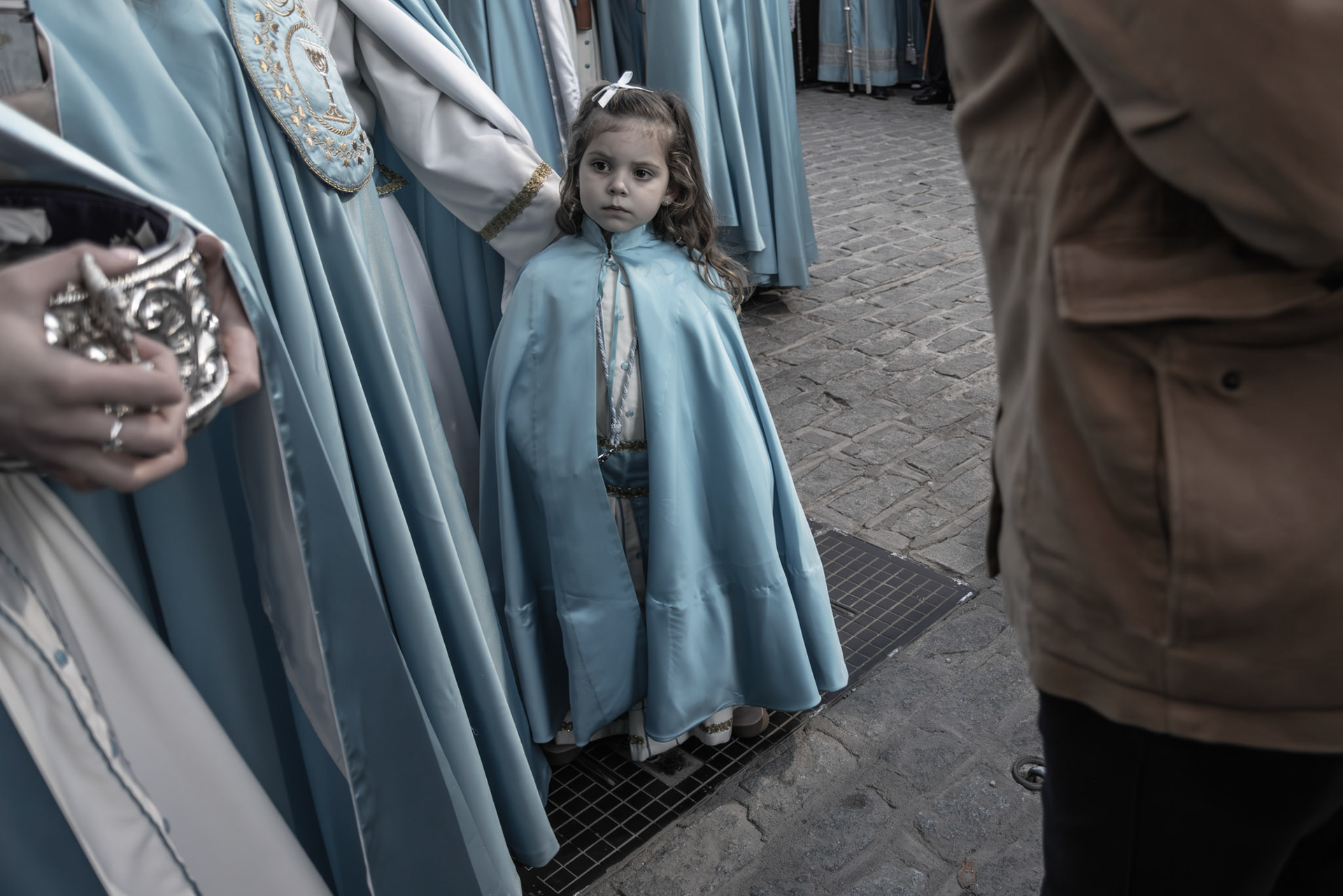
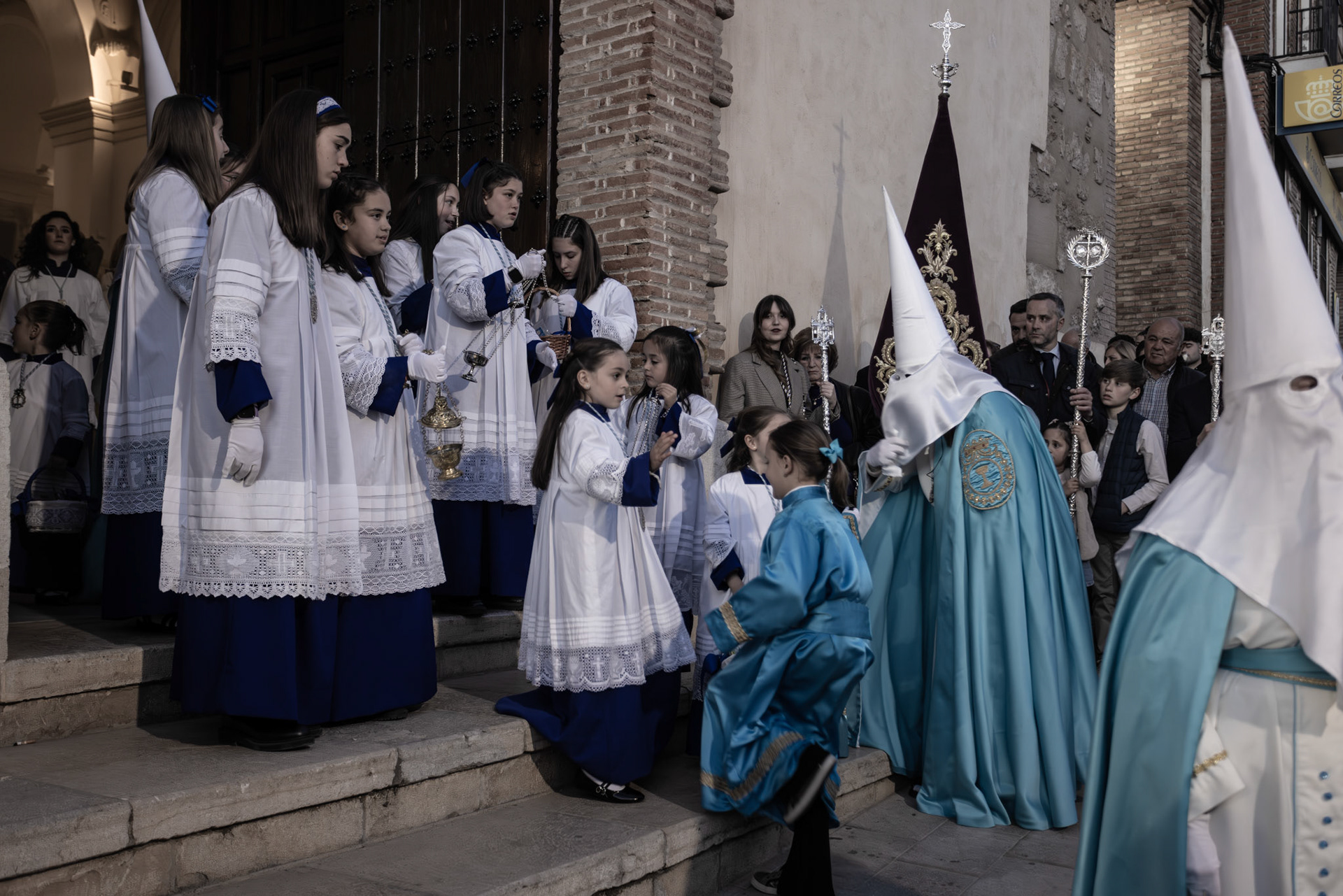
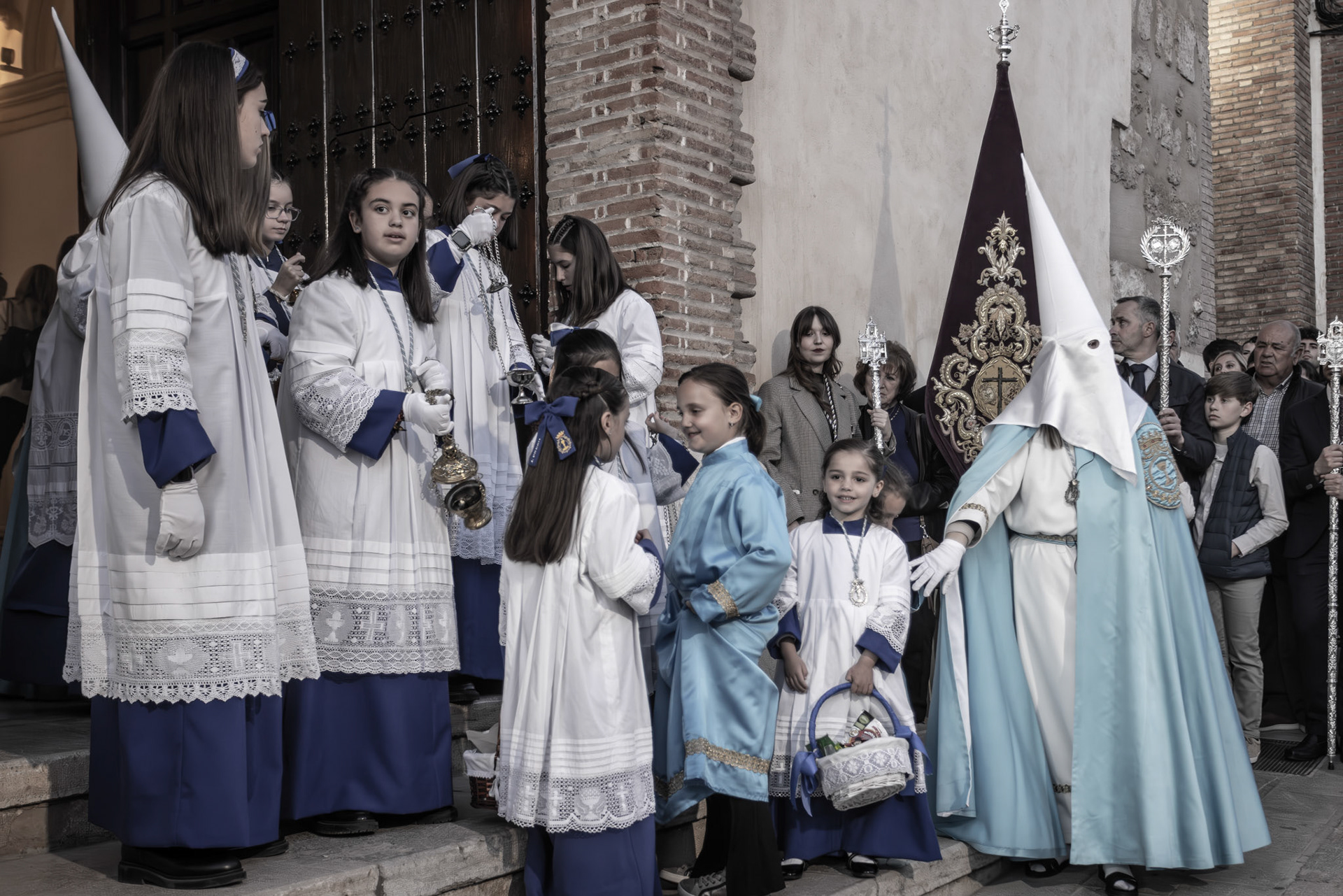
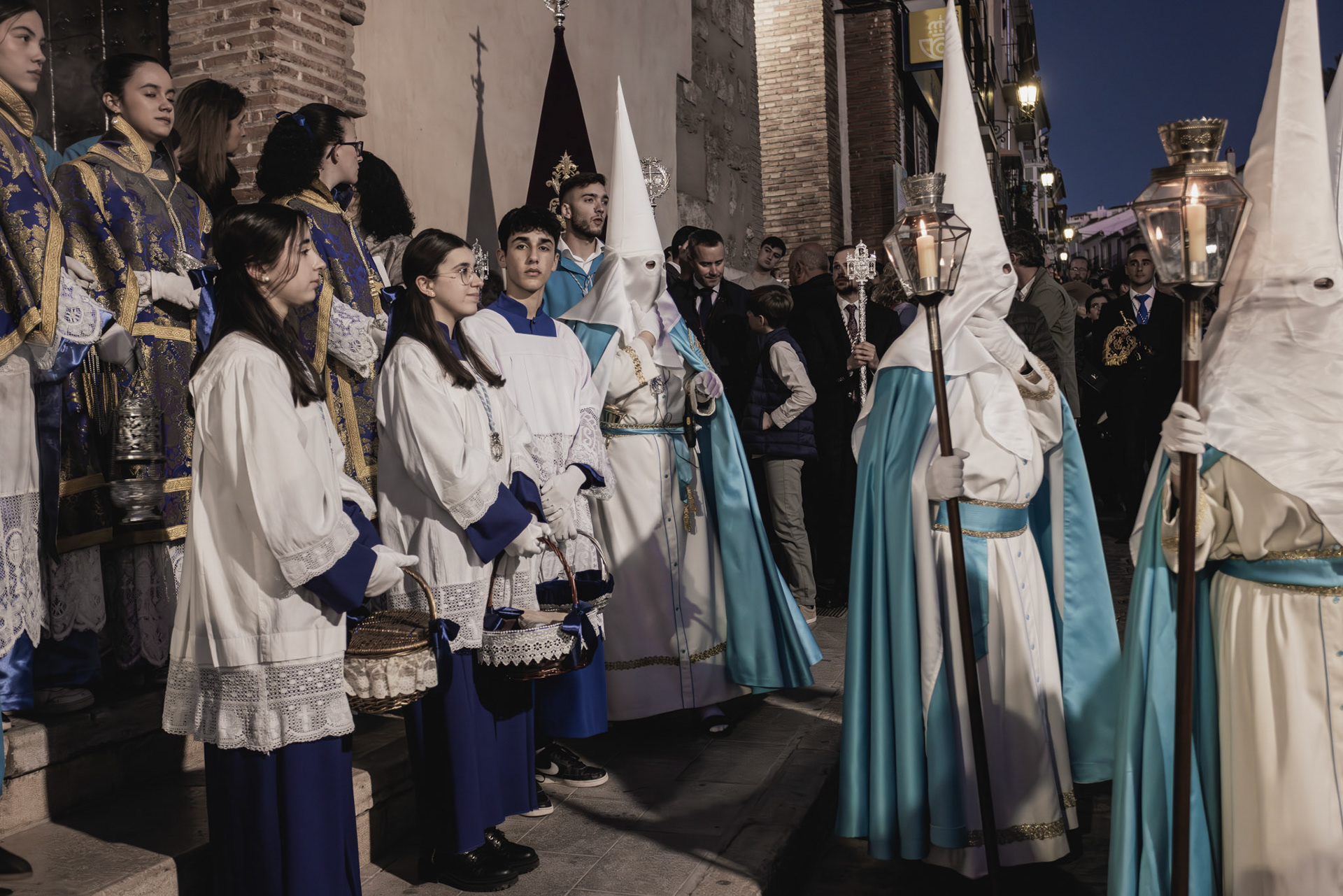
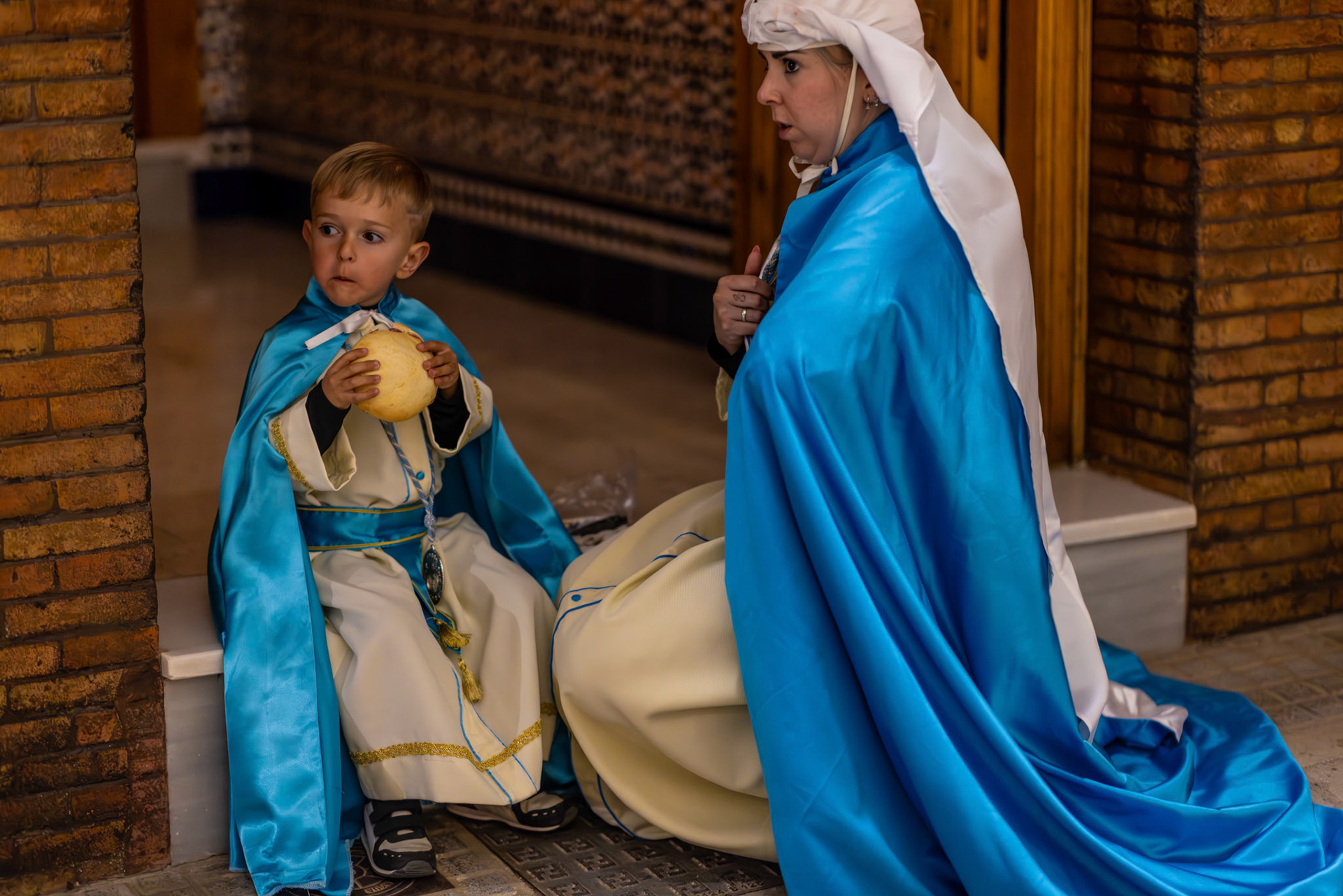
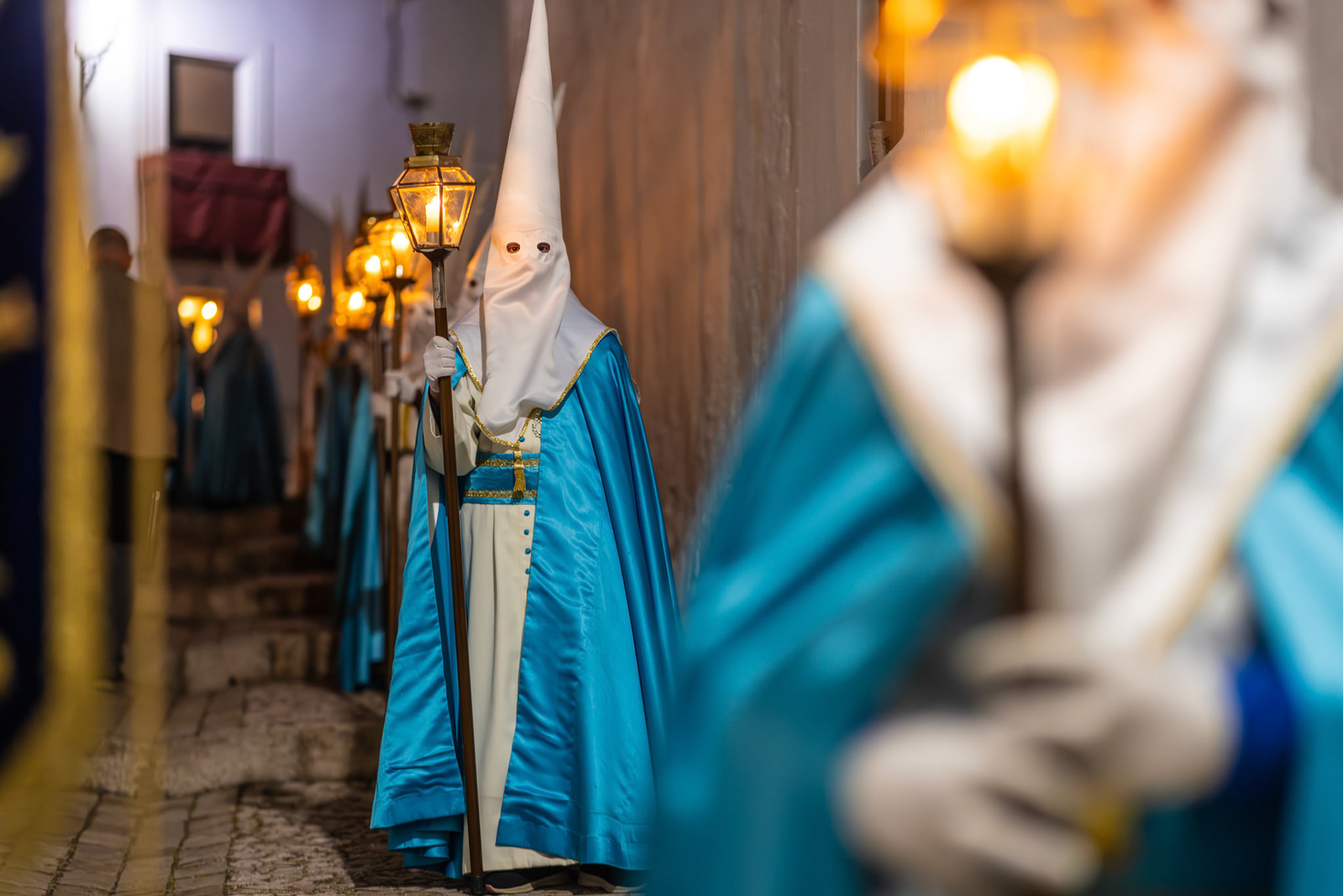
Una de las experiencias más bellas que he presenciado fue ver los capirotes de los nazarenos en blanco y azul claro, con las linternas iluminando las estrechas calles de Archidona, en lo que sentí como una procesión intensamente íntima y
profundamente conmovedora.
Me parece que una figura como Cristo, como gran profeta y filósofo, probablemente habría reconocido y querido expresar precisamente este tipo de unidad: un sentido de presencia compartida dentro de un ecosistema del que todos formamos parte y en el que, en última instancia, no estamos separados, sino profundamente interconectados como uno solo.
The Lunch Table of Humanity: Community, Ritual, and Shared Presence in Archidona during Semana Santa
Having visited Archidona during Semana Santa, what has stayed with me most is not so much the religious experience itself, but the profound sense of community it generates—the way it brings people together in shared presence and collective participation. In many respects, the spiritual dimension seems almost to recede into the background, giving way to something more immediate and human: togetherness.
In a world increasingly shaped by technology and marked by disagreements that often pull people further apart, this sense of community feels especially significant. It serves as a reminder that beneath modern fragmentation there remains a deep human need to gather, to participate in shared experiences, and to find connection in one another.
It also seems to me that one of the more enduring aspects of church and religious tradition emerges when the emphasis on punishment and moral judgement fades. Without that weight, what remains is something more fluid and lived—something that ebbs and flows with the rhythms of people’s lives, and in doing so is able to genuinely create and sustain community.
From this perspective, it is not necessarily belief or faith in the unknown that matters most, but rather participation in the ritual itself. The act of being present, moving together, and sharing in symbolic practice becomes the binding force that draws people into a collective experience.
In that sense, the church can be seen rather like a long family lunch table—an ordinary yet deeply meaningful shared space, reminiscent in its own way of the Last Supper. It is a setting where meaning is not imposed from above, but emerges naturally through presence, conversation, and shared ritual.
The real connection, then, may not lie in blind faith, but in something more grounded and universal: a sense of community connection, of belonging within a shared human fabric.
One of the most beautiful experiences I have ever witnessed was seeing the capirotes worn by the nazarenos in white and light blue, lanterns lining the narrow streets of Archidona, in what felt like an intensely intimate and quietly powerful procession.
It seems to me that a figure such as Christ, as a great prophet and philosopher, may well have recognised and sought to express precisely this kind of unity—a sense of shared presence within an ecosystem we are all part of, and in which, ultimately, we are not separate, but interconnected as one.
La Embajá de Archidona — a voice recovered from the past
One moment brings everything to a halt.
From a balcony, a single voice delivers La Embajá — not sung like a saeta, but spoken with force, rhythm, and emotion. It feels like theatre, but also something deeper… a message.
Locals describe it simply: “La Embajá — a unique act recovered from the past.”
And that’s exactly what it is.
Rooted in older traditions of religious street drama, it has been recovered and remains an enduring expression of the town’s identity, kept alive not for display, but because it still matters.
It’s a direct address: to the passing image, to the people below, and to history.
Not polished. Not modernised.
Just carried, voice to voice, across generations.